Jul 10, 2013
Democrats are open to improving federal agency operations and efficiency, and the FCC is no exception.
The Public Record
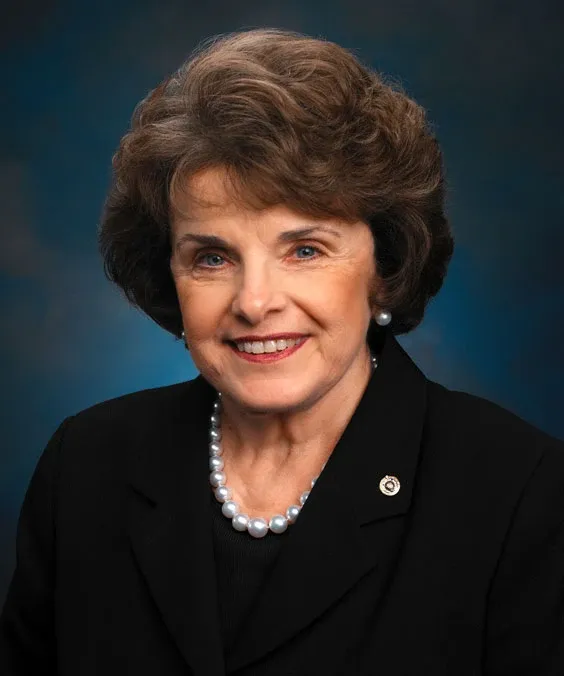
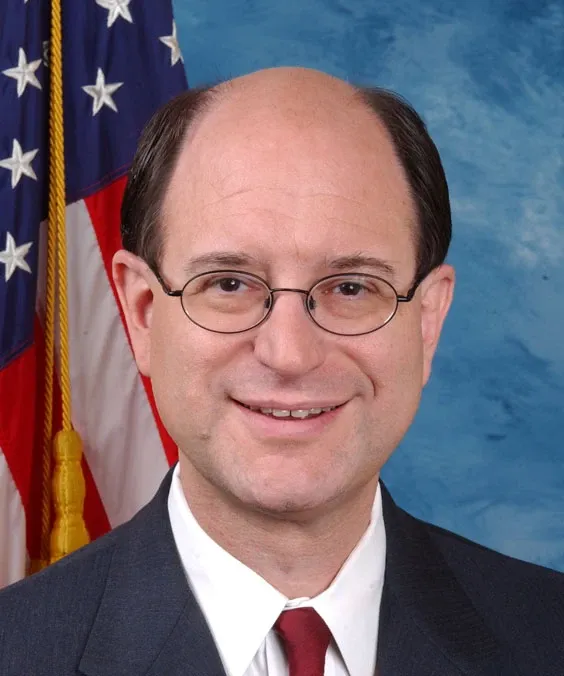
Anna A. Eshoo is an American politician serving as the U.S. Representative for California's 16th congressional district since 2013. A member of the Democratic Party, she has been an advocate for various issues including healthcare, technology, and environmental protection. Eshoo has played a significant role in shaping policies related to telecommunications and has been involved in efforts to improve access to healthcare for her constituents.
Democrats are open to improving federal agency operations and efficiency, and the FCC is no exception.
We seriously disagree about the wisdom of the current effort, and I hope the majority will reconsider its plans.
We have a real opportunity to enact meaningful bipartisan legislation that modernizes our communications and technology laws.
I think that the draft legislation only allows the FCC to impose conditions that are 'narrowly tailored to remedy a harm that arises as a direct result of the specific transaction.'
I think it is very clear that there is a public-interest standard that the FCC is charged with.
Just 2 weeks ago, Mr. Chairman, we had bipartisan consensus on the need to focus on how federal agencies use spectrum.
I just want to share the following with you. In listening very carefully to each one of you, I leaned over and I said to Mr. Waxman, isn't it so extraordinary that we have the level of expertise that is represented at this time in our…
I think if you sign up for something, that is the cost. If that is not what the cost is going to be, then say so.
The economic value of auctioning this spectrum cannot be understated, since it will go a long way toward providing a down payment for the construction of First Net and address our Nation's spectrum crunch.
With the President's call earlier this month for increased spectrum sharing, today is a timely continuation of the bipartisan examination we began in the last Congress on how to relocate or share spectrum held by federal agencies.
the same old, same old that has prevailed for years simply is not going to be accepted around here.
The bottom line is that federal agencies have a responsibility to ensure efficient use and maximum benefit of this scarce resource, just as wireless companies do.
Politicians like Anna Eshoo