May 16, 2018
So I think the ISS, as someone who wants to figure out how we extend the life of the ISS and make this a workable asset until we have an adequate replacement at some time in the future, is something that Congress ought to support.
The Public Record
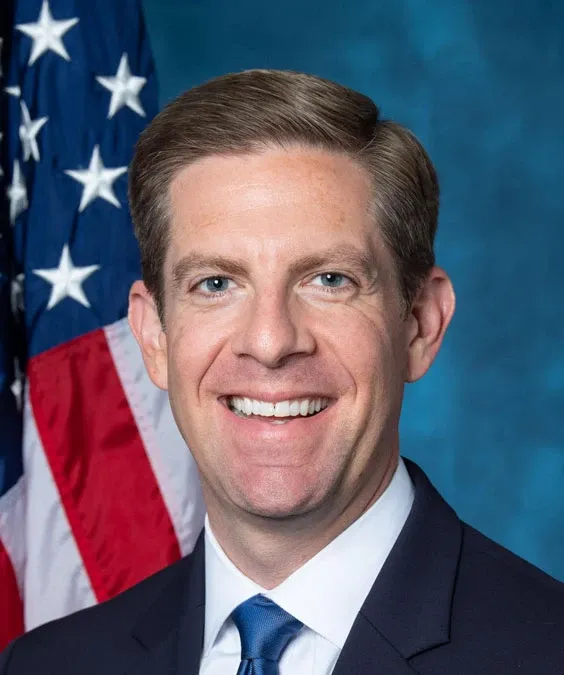
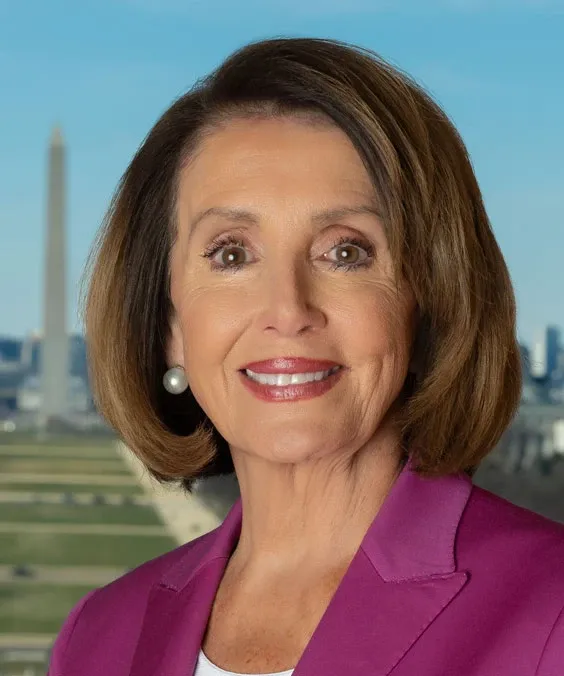
Ami Bera is an American physician and politician currently serving as a member of the United States House of Representatives from California's 7th congressional district since 2013. He is a member of the Democratic Party and has focused on issues such as healthcare, education, and environmental protection during his tenure in Congress. Bera has been involved in various legislative efforts aimed at improving access to healthcare and addressing climate change.
So I think the ISS, as someone who wants to figure out how we extend the life of the ISS and make this a workable asset until we have an adequate replacement at some time in the future, is something that Congress ought to support.
There's broad consensus and agreement both from the Administration and from Congress that as a stretch mission we're looking at human exploration and travel to Mars, as my colleague from Colorado would say, by 2033.
Let's make sure we're open to our imagination and we're looking at the full scope of this.
from the scientific community they're agnostic other than they need a platform under which to conduct these long-term experiments, whether it's long-term microgravity exposure or radiation exposure.
And again, I'm glad that we are taking up this conversation at this point in 2018 and we're not having this conversation in 2023.
You know, obviously this would be a big deal. They're planning on spending about $80 billion to build 16 nuclear reactors over the next 25 years.
I want to just take a brief moment to talk about the amendment offered by the ranking member, Mr. Engel, dealing with major defense partners in the International Security Assistance Act.
But Dr. Gibson, maybe if you want to just expand--I mean, if we're thinking about the future and we're going to have autonomous vehicles, we're going to have, you know, autonomous trucks, that's all going to be reliant on GPS navigational…
But, you know, I think Dr. Gibson in your opening statement--I think each of you talk about how these space phenomenon and solar phenomenon can impact every aspect of our lives.
The nation's efforts to deal with space weather demonstrate the ways in which our investments in basic research and NASA benefit our society.
I think Conor is going to find that this is one of the best committees to be on.
As I said in my opening statement, these are fascinating hearings about science.
In closing, I think you have seen the genuine enthusiasm that Democrats and Republicans and all Americans have about space. It is in that spirit of national pride and American leadership that I urge all my colleagues to pass this bill…
I think the issue of stability on the Korean Peninsula and certainly how we approach North Korea has been a pretty bipartisan issue in this committee and certainly in Congress.
OPIC seeks to promote economic growth in developing and emerging markets by providing political risk insurance and direct loans and guarantees to businesses.
It's a testimony to the importance of OPIC and the belief that the United States has to be engaged globally.
It is one of the remarkable things that we can do in terms of good will for the United States and not cost the taxpayers anything--actually, generate revenue for the Treasury as well as generate good will around the world.
we should get back to that Vandenberg concept that politics should stop at the water's edge
I want to thank my colleague, Mr. Yoho, for his leadership on this and, again, this is the type of thing that we ought to be able to get done in Congress.
This is a very timely hearing as we look at the BUILD Act, as we think about how we modernize overseas investment and credit.
If we think about our own history and think about when President Kennedy challenged us to put a person on the Moon, we set a focus and we didn't change every four years.
one of the concerns, though, is with that increased budget but with that increased focus on exploration we do have a worry that more of the budget for space technology is going to focus on the exploration mission.
I do think there is some concern as we go from one Administration to another.
But let's not cut the education budget as well because education is incredibly important, particularly programs like the MUREP program.
Politicians like Ami Bera