Sep 20, 2023
Will the projects that are now funded because of the Bipartisan Infrastructure Law, will they be successful without funding operations and maintenance?
The Public Record
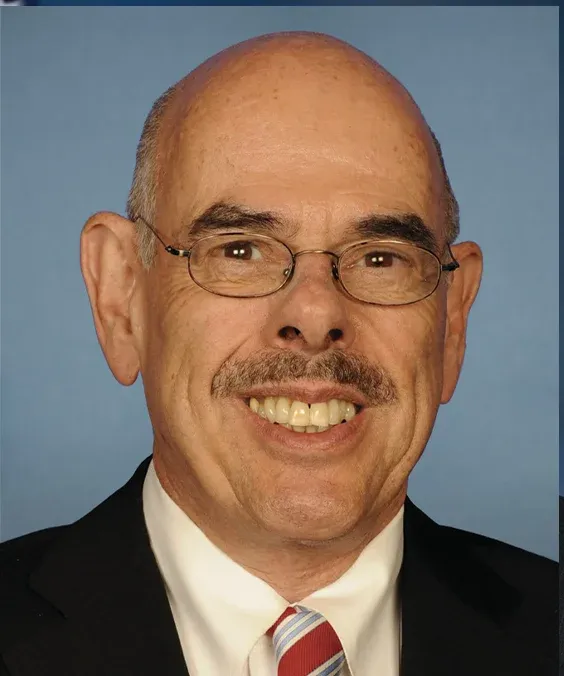
Alex Padilla is an American politician serving as the junior United States senator from California since January 2021. He is a member of the Democratic Party and was appointed to fill the vacancy left by Kamala Harris when she became Vice President. Padilla is the first Latino senator from California and has focused on issues such as immigration reform, climate change, and healthcare access during his tenure. He previously served as the Secretary of State of California from 2015 to 2021, where he worked on expanding voting access and modernizing the state's election system.
Will the projects that are now funded because of the Bipartisan Infrastructure Law, will they be successful without funding operations and maintenance?
Thanks to the work of the bipartisan members of this Committee, Congress provided over $4 billion for tribal sanitation over the next 5 years via the Bipartisan Infrastructure Law.
I want to make clear for folks back home: The problems discussed today, this isn't a matter of technical infrastructure jargon or policy speak.
We want folks to enter into this career field. And if there are too many barriers in place, which I think they are, maybe we should look at it again.
Good. I do have questions about certification. That is an important piece here.
We have a moral responsibility to continue to serve Native American Tribes who were forcibly displaced from their homelands.
It is about making sure that a parent in Indian Country can turn on the tap and not fear they will get their child sick.
Is there something about the nature, the fundamental nature of the different types of water agencies that impacts for better or worse access to safe, clean drinking water by the different types of agencies, tribal versus other public…
I think you have given some indicators to my following question, but I want to ask it for the record.
Thanks to the work of the bipartisan members of this Committee, Congress provided over $4 billion for tribal sanitation over the next 5 years via the Bipartisan Infrastructure Law.
Now it is time to move beyond the initial excitement over an influx of funding to tribal communities through the Bipartisan Infrastructure Law.
It only makes sense for the Federal Government to financially support the longer term viability of significant initial investments.
This is really, in my opinion, an interim State solution to what is fundamentally a Federal problem and responsibility.
Will the projects that are now funded because of the Bipartisan Infrastructure Law, will they be successful without funding operations and maintenance?
I would argue they were essential before the pandemic, and will continue to be essential long after the pandemic is officially over.
We could make sure that international, and undocumented students can access and complete higher education in the United States.
It would be smart to listen to the economists, and business leaders, who are sounding the alarm on our labor shortage.
Politicians like Alex Padilla