May 22, 2019
The way to deal with that unequal treatment is to create resource equity on par with what communities here in the United States on the mainland receive, period.
The Public Record
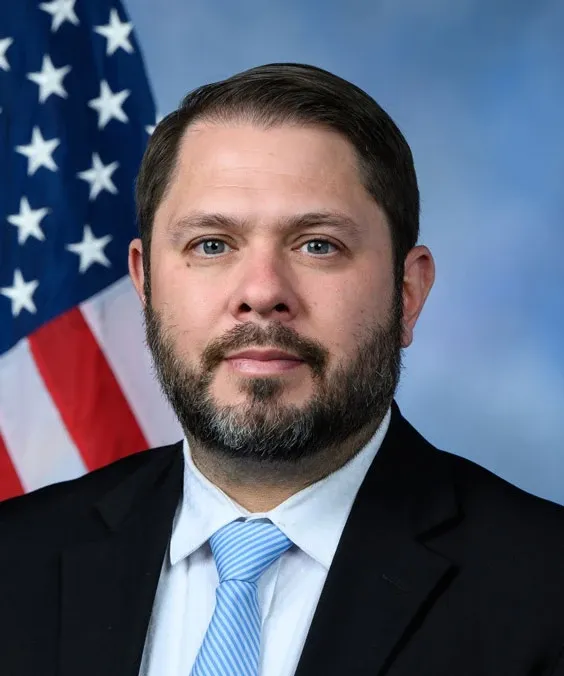
Raúl Manuel Grijalva is an American politician serving as the U.S. Representative for Arizona's 3rd congressional district since 2003. A member of the Democratic Party, Grijalva has been an advocate for environmental protection, education, and healthcare reform throughout his tenure in Congress. He has played a significant role in various legislative initiatives, particularly those aimed at addressing climate change and promoting social justice.
The way to deal with that unequal treatment is to create resource equity on par with what communities here in the United States on the mainland receive, period.
And it is an equal-treatment issue, to me, very fundamentally and very simplistically.
I think it is an excellent panel, and I am here to learn something on which direction legislatively we are going to go.
If that barrier exists--if I may, Ms. Bird--how can the individual, through individual grit, get over that barrier?
Upholding the establishment of Tribal homelands should be, and is, one of the most important actions that this Congress can take. It is not just about tax-exempt status or economic development, both of which are vitally important to Tribal…
To address a point that was brought up during the debate on this bill, that the Mashpee Tribe will not lose its Federal recognition if H.R. 312 does not pass. That is true. We have never stated the Federal recognition was in jeopardy. What…
When a Tribe applies to have land taken into trust through the Department of the Interior, local concerns are already strongly considered, even more so when the land is located away from existing reservation lands. However, I do recognize…
I hope that we can resolve some issues surrounding this school, and we can work to ensure that Native students feel safe.
It is our responsibility to uphold a high standard for education, generally; but for Indian education as well.
We want our students, no matter who they are or where they are from, to succeed.
I think it is also the purview of this Subcommittee to ensure that Indian education is held at a high standard.
As a former school board member, education is one of the policies I am passionate about.
I hope this administration recognizes that there is an urgency, a bipartisan urgency, to actually fix this.
The reason why this school is having its problems is because it does have a culture of essentially stonewalling.
There has been a history of misuse and abuse. There has been a history, and I think that that is no longer an excuse.
I applaud you. These are the kind of hearings we need to, I think, provide us with a better look.
Thank you for the opportunity to provide testimony today. I look forward to working with BIE leadership as we continue to provide opportunities for Native American students.
I believe the best work we can do in DC for our students is to empower our teachers and administrators to address student needs as quickly as possible.
It is both an institutional issue that we are dealing with and it is also a resource issue that we are dealing with.
I believe that BIE must be held accountable for their inaction in response to the concerns raised about Chemawa.
BIE and the Assistant Secretary-Indian Affairs have a responsibility to thousands of Native students, and I have a responsibility to my constituents and students in Oregon.
It makes it difficult for me to do my job as their elected official and impedes on our ability to have the open dialogue that is necessary to make progress at the school.
I know how much these community members... are risking in order to talk with us about Chemawa.
I am disheartened that Mr. Tahsuda and Director Dearman, both of whom were invited to testify today, chose not to come.
Despite the promise of dialogue, I was frustrated and dismayed to be told at the meeting that Chemawa and BIE staff are prohibited from talking with us, their elected representatives without approval from Congressional Affairs in…
Politicians like Raúl Grijalva