Apr 12, 2021
Our union opposes the legislation under consideration today, the Save Oak Flat Act (H.R. 1884), introduced by Rep. Grijalva.
The Public Record
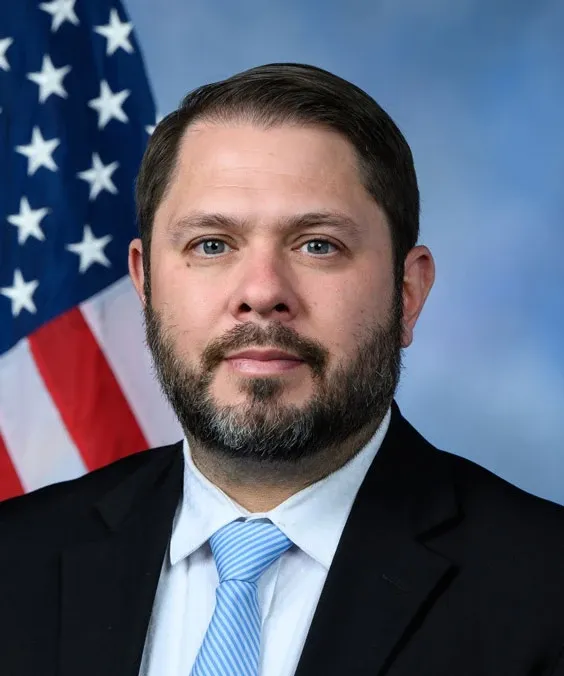
Raúl Manuel Grijalva is an American politician serving as the U.S. Representative for Arizona's 3rd congressional district since 2003. A member of the Democratic Party, Grijalva has been an advocate for environmental protection, education, and healthcare reform throughout his tenure in Congress. He has played a significant role in various legislative initiatives, particularly those aimed at addressing climate change and promoting social justice.
Our union opposes the legislation under consideration today, the Save Oak Flat Act (H.R. 1884), introduced by Rep. Grijalva.
This will remove all of the environmental, socioeconomic, water and cultural mitigations from the table, but will not stop them from mining.
Rio Tinto has a long-established partnership to supply copper to China--they repeatedly stated--and at a hearing refused to say what percentage of the copper generated from Federal lands would be retained and processed in the United States.
It will likely require an Act of Congress to stop the Resolution Copper Mine and save the Apache religion, our culture and way of life, and the region's water supply for future generations.
Nearby communities need to be concerned about water scarcity, frankly, even without Resolution, and this only makes it worse.
These are things that you cannot find on the internet, study in a book, or any other environmental study.
None of that was accomplished here, and what it meant was this bill was passed without the knowledge, the wisdom, the timeless honored traditions of the San Carlos Apache people and was done unilaterally.
When we don't have consultation, we are vulnerable to another sovereign taking unilateral action against our lands, territories, and resources, not only without hearing our voice, but we think that we need to have consent in those…
If tribal consultation had been codified at the time of Section 3003's insertion into the NDAA in 2015, could this land transfer have been prevented?
This mine would have profound and irreversible impacts on the citizens of Arizona and the environment.
The EIS claims that Resolution's water use adheres to Arizona's norms and values, but depleting groundwater aquifers is the exact opposite of Arizona's values.
There is really just not enough groundwater to go around in this part of Arizona.
This mine will consume enough water to supply a city of 140,000 people every year for 50 years.
I urge Congress to pass this bill because of the devastating and irreparable cultural and environmental impacts that would ensue if this mine were developed.
We have witnessed this foreign mining company destroy an Indigenous sacred site in Australia.
The environmental damage Resolution Cooper can have on this area impacts tribes in Arizona and the water sources of the local community.
This area was utilized and occupied for the past 1,500 years from the pre-Classic Hohokam to the present.
H.R. 1884--the Save Oak Flat Act...uphold Indigenous peoples' rights and protect the lands many tribes in Arizona consider sacred.
I have been introducing the Save Oak Flat Act to uphold what I believe is essential, the Indigenous peoples' rights to protect the lands.
This bill will repeal Section 3003 of the NDAA and protect the sacred site for future generations.
The Subcommittee is meeting today to hear testimony on H.R. 1884, the 'Save Oak Flat Act,' introduced by Representative Raul M. Grijalva of Arizona.
If we can survive, if we can do it right, especially with all the funding that we are receiving in Puerto Rico to build better and safer, definitely we can be the example to America and for the entire planet on how to do it right.
No one can be surprised that our island has been subject to the most catastrophic impact of climate change.
Politicians like Raúl Grijalva