It is too bad that my Republican colleagues continue to point to Chinese and Russian practices to try to lower the bar for environmental and community protections in our own country. The United States should lead, and we shouldn't set our…
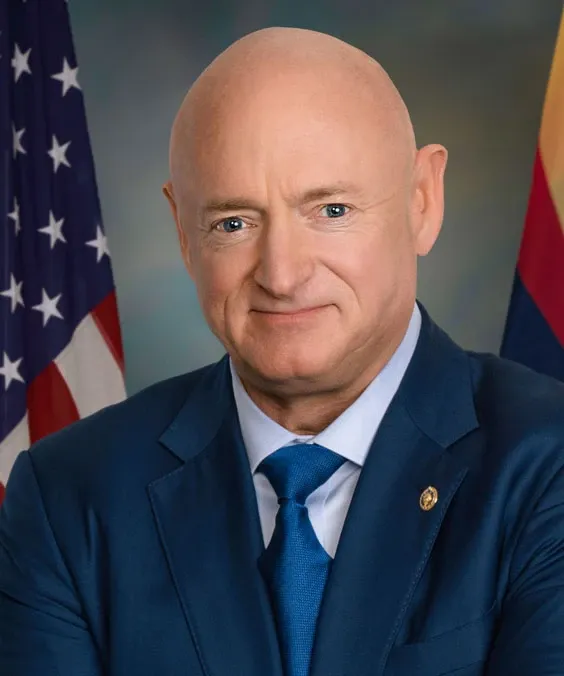
Raúl Grijalva
The Public Record
Raúl Manuel Grijalva is an American politician serving as the U.S. Representative for Arizona's 3rd congressional district since 2003. A member of the Democratic Party, Grijalva has been an advocate for environmental protection, education, and healthcare reform throughout his tenure in Congress. He has played a significant role in various legislative initiatives, particularly those aimed at addressing climate change and promoting social justice.
Let me remind my colleagues that this bill provides more handouts to foreign mining companies with terrible environmental and human rights records. For example, Rio Tinto, a foreign-owned mining company, is preparing for a new copper mine…
We heard the term NIMBY thrown around to describe opposition to this bill. This NIMBY term, not in my backyard, is used to describe local residents, oftentimes very wealthy residents, who oppose development in their neighborhoods, but…
Until Congress fully funds the IHS, the Indian Health System will never be able to fully overcome its challenges and fulfill its trust obligations.
We need to identify the best projects and avoid over-studying, undue delays, and build a better system.
We shouldn't have to wait for a crisis to make good decisions. We should be proactive.
We need storage and better conveyance capacity for agricultural water supplies, for drinking water, for recreation, and for the environment.
If we want California agricultural production and the associated food security that accompanies it, we need to meaningfully invest in our infrastructure.
This is a very important one and a step addressing the paternalism of the Federal Government with regard to tribes, amplifying tribal self-determination and amplifying the very critical issue of sovereignty for federally recognized tribes.
I think both bills address existing barriers to tribal economic development and were previewed at the Subcommittee's first oversight hearing earlier this month.
The constant refrain and complaint is it is taking too long, it is the agency's fault, i.e. it is the law's fault.
The obligation, the trust responsibility, every stakeholder should be at the table.
Each Federal agency, no matter the nature of the relations with tribal government, is included in the U.S. trust and treaty obligations to Indian Country in terms of tribal consultation.
These bills would legislatively delist the species we are talking about--the gray wolf and grizzly bear.
Enacting these bills would indeed undermine the successful recovery of these species and the rule of law.
The gray wolves are more popular than some of the politicians that want to delist them.
What happened then? Well, Idaho authorized the killing of 90 percent of their 1,500 wolves.
The Cottonwood decision has caused significant damage by delaying necessary forest management work, which has hampered wildfire mitigation efforts.
The TOXIC Act will help us restore the long-term health of our ecosystems, restrict the cross-border flow of toxic contaminants, protect public health and consumers, and support regulated cannabis businesses that comply with the law.
I'm glad that after nearly 20 years of debate in Congress on trespass cultivation, we're finally moving toward a long-term solution.
I thank the Chair for including the TOXIC Act in today's hearing, as well as Mr. LaMalfa for partnering with me to introduce the bill.
It is beyond ironic that Rep. Boebert is working to undermine the will of Colorado voters to bring back wolves to the state.