Yes, you are protecting waterways, 1,000 feet from. If you are looking at long-term environmental effects of a use of a particular chemical, don't you think that is important to know ahead of time?
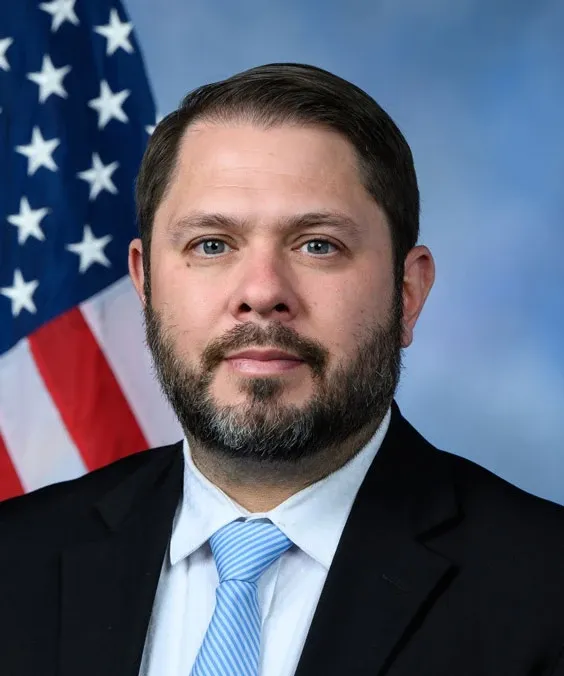
Raúl Grijalva
The Public Record
Raúl Manuel Grijalva is an American politician serving as the U.S. Representative for Arizona's 3rd congressional district since 2003. A member of the Democratic Party, Grijalva has been an advocate for environmental protection, education, and healthcare reform throughout his tenure in Congress. He has played a significant role in various legislative initiatives, particularly those aimed at addressing climate change and promoting social justice.
If you manage so that you cover the ground, and you have more productive plants that then cover the ground all the time, you mitigate, you increase the ability of that ecosystem to survive the dry periods.
Do you believe that we should take steps to mitigate the impacts of manmade greenhouse gas emissions, for instance?
Well, in tough economic times I am for cost--pay-as-you-go and cost recovery.
talking about carbon sequestration on public lands sidelines the issue of excessively low grazing fees on public rangelands.
Thank you, Mr. Chairman. Mr. Wick, the idea that grazing can improve rangeland health and increase the potential for carbon soil sequestration gained attention when Allan Savory gave a TED talk last year.
holistic land management is the only practical solution to climate change, and we have the capability to sequester all manmade carbon emissions.
So limiting emissions would be made moot because of the approach that you are talking about, correct?
existing policies, grazing policies, regulations actually make the situation worse, rather than better.