Aug 4, 2015
The legislation says 'all agreements.' It does not actually matter whether the U.S. Government has it in its possession or not.
The Public Record
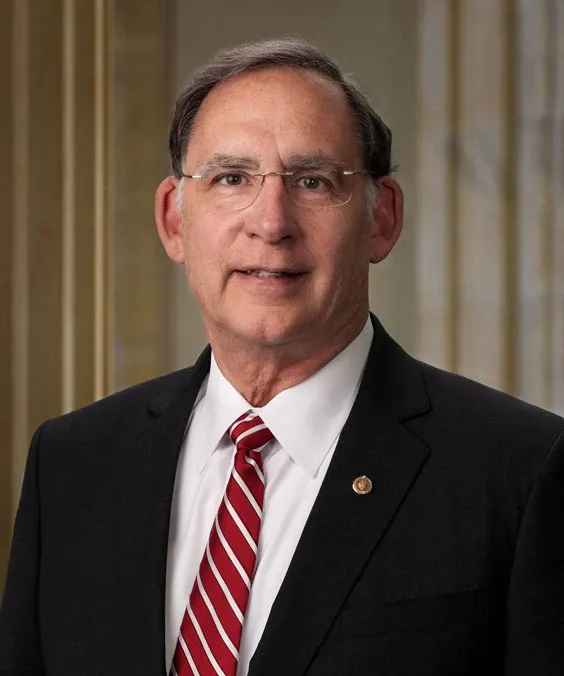
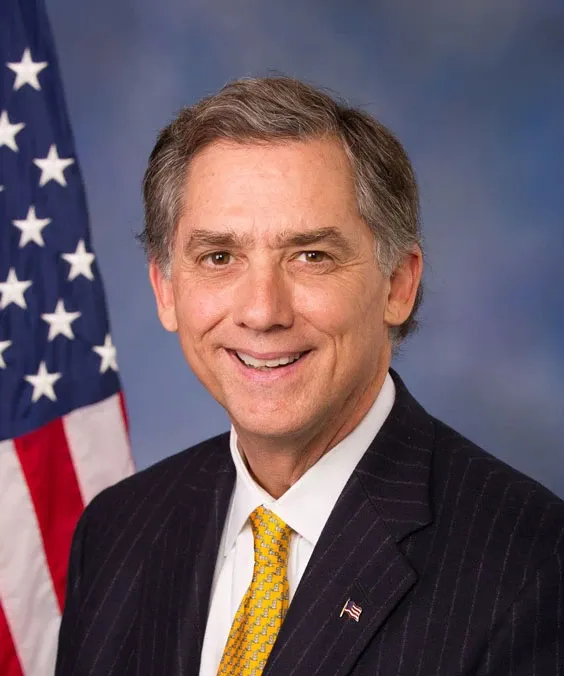
Tom Cotton is an American politician and attorney serving as the junior United States senator from Arkansas since January 2015. A member of the Republican Party, he has been a prominent voice on various national security and foreign policy issues. Cotton is known for his strong stance on military matters and has advocated for a robust U.S. presence abroad, particularly in relation to China and Russia. He has also focused on immigration reform and economic policies aimed at supporting American workers.
The legislation says 'all agreements.' It does not actually matter whether the U.S. Government has it in its possession or not.
I think we got some kind of answer out of it, but I also know that Administration officials have said repeatedly that Iran will exploit every ambiguity in the text of this agreement to that advantage.
The answer then, it sounds like, is no, we cannot be assured that IAEA inspectors will physically and personally be present on every single site.
U.S. law requires any deal between any party, not just the United States, to be submitted to Congress before the 60-day clock begins to tick.
And as they made the decision to keep output elevated over the last year, I think that is part because they realize they no longer have such total market control given the ingenuity of American oil and gas producers.
I agree with Senator Heitkamp that the oil and gas revolution in our country is a great testament to the American system of free people and free markets.
Dodd-Frank poses significant challenges. Never has so much rulemaking authority and regulatory discretion been granted so broadly.
The accumulation of all powers, legislative, executive, and judiciary, in the same hands . . . may justly be pronounced the definition of tyranny.
I want to return to a topic that Senator Corker touched upon: affordable housing.
Does the Executive Branch yet have legislative proposals that they are prepared for this Congress to take under advisement?
Could you look to CALEA or maybe what other countries have done to address the 'Going Dark' program with data encryption as a model for this Congress to act?
Have you taken a look at how countries like, let's say, the United Kingdom or France have addressed this issue?
Do the companies with--with whom you deal in private settings, appreciate the fact that the technology that they are creating and marketing is being used by terrorists and some of the most heinous criminals in our society?
I want to commend the agents and employees you have in that field office there for their dedicated public service.
This is an issue not just for terrorist operations, but I would presume also for things like child molesters, child pornographers, sex traffickers, kidnappers, is that correct?
The Federal Government is different. It is not a for-profit enterprise. Therefore, it makes decisions not based on market or financial signals, but on political decisions oftentimes.
One might say we should have let France finance this sale, and they could have taken the entire loss themselves as opposed to imposing it on the American taxpayer.
It would be unwise for the United States to let the Eximbank unwind its operations and wind down.
Politicians like Tom Cotton