Dec 8, 2009
We support what the EDA and others within the Administration are considering. And we also support, very strongly, Senator Pryor's bill.
The Public Record
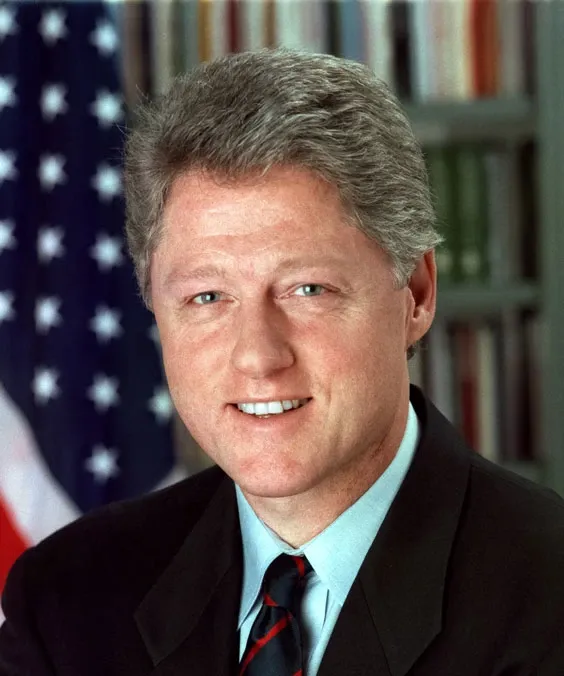
Mark Pryor is an American politician who served as a United States Senator from Arkansas from 2003 to 2015. A member of the Democratic Party, he focused on issues such as healthcare, education, and infrastructure during his tenure. Pryor was known for his moderate stance and worked across party lines on various legislative initiatives. He was re-elected in 2008 but lost his bid for a third term in 2014, marking the end of his Senate career.
We support what the EDA and others within the Administration are considering. And we also support, very strongly, Senator Pryor's bill.
We need to think about setting up an intermediary organization to take on that task.
The benefit of Maine's seven technology incubator centers has been nothing short of monumental.
S. 583, introduced by Senator Pryor to provide support for the development of science parks.
I just wanted you to be aware of that and maybe talk to your folks about, you know, how valid that is.
I would be interested to know, as you follow up with Senator Lautenberg, about, you know, what we can do better.
FEMA does not have a clear overarching strategy that can guide decisionmaking on which of these sourcing mechanisms should be used.
Consumers must be empowered to control their purchase decisions--whether the exchange occurs face to face or over the Internet.
If consumers are being abused, this Committee will work together to protect them.
Less consumers will be willing to make online purchases if they are being charged for membership clubs they did not know they had enrolled in.
Protecting consumers from unfair or deceptive acts or practices is one of the FTC's core missions in its base statute.
I think I agree with you, Professor Cox, that this will have, this hearing will have an effect.
I'm not trying to draw you into this legislative discussion that we're having, but I would like your thoughts on the carrot versus the stick approach, if you have a preference on how that would be structured.
I appreciate you inviting me to your Distracted Driving Summit. I thought that was very useful and I think the people there got a lot out of it.
I hope you will give clarification to the industry and to interested parties on what you mean by 'open network.'
How common is that around the country, where you have a--sort of a State-oriented public TV system, but, on satellite, not everyone in the State has access to that system?
Politicians like Mark Pryor