Apr 28, 2009
I appreciate both of you all so much for your willingness to serve in these positions. You almost have to have the wisdom of Solomon, and we pray that you will have that.
The Public Record
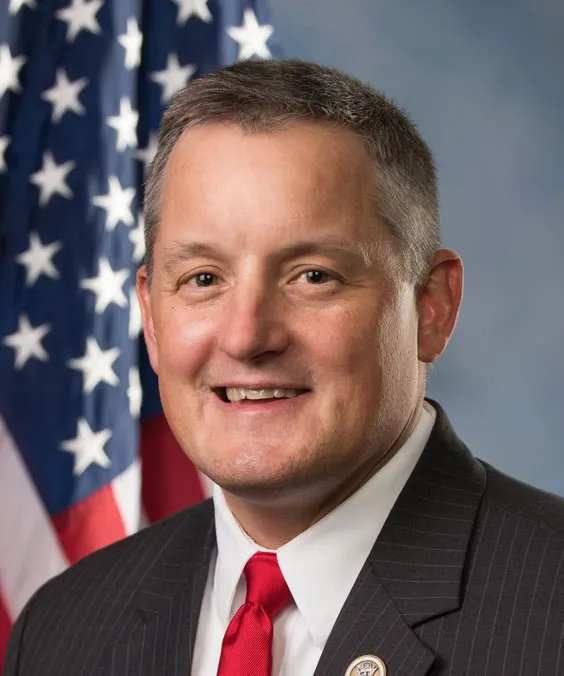
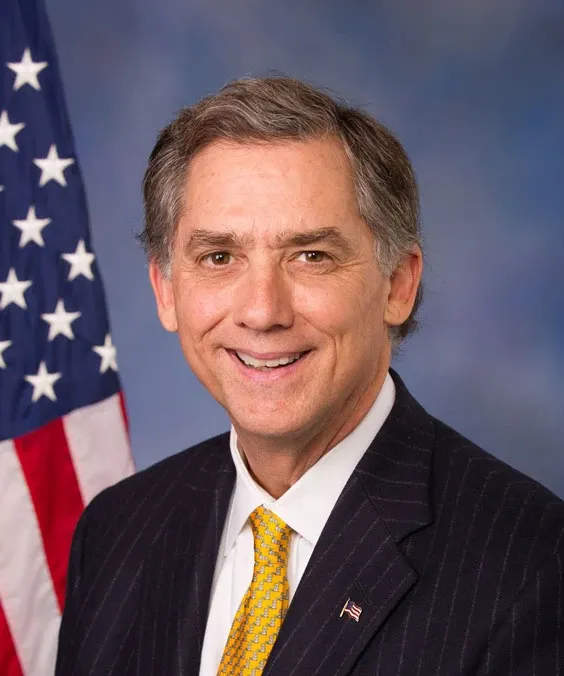
John Nichols Boozman is an American politician and optometrist currently serving as the junior United States senator from Arkansas, a position he has held since January 5, 2011. A member of the Republican Party, Boozman has focused on various issues including agriculture, healthcare, and veterans' affairs during his tenure in the Senate. He has been an advocate for policies that support the agricultural community, often emphasizing the importance of collaboration between government and local farmers.
I appreciate both of you all so much for your willingness to serve in these positions. You almost have to have the wisdom of Solomon, and we pray that you will have that.
I think the design-build method certainly would be something that I would like to see us implement.
I would hope that this Committee would take a longer look at not only just I-73 in South Carolina but the other corridors that need to be addressed as the population shifts from the Northeast down to the Southeast and also to the Midwest.
To their credit, VA has made a significant effort to increase veteran-owned small business' share of contracts and last fiscal year awarded 14.9 percent of the procurement contracts worth about $2.1 billion went to veteran-owned small…
I can assure you that this Subcommittee will continue to work diligently with all stakeholders to ensure that the interests of our veteran owned small businesses are being heard and addressed.
I applaud these efforts and the work of the thousands of Federal employees tasked to assist our Nation's veterans, but more can and should be done.
Was it to provide service-disabled vets with a contracting program, or was the intent of Congress to provide them with a true business development program?
I think everybody wants to do what is fair, in implementing what we want done.
We have got kind of the ongoing discussion about in general excessive use of sole source procurement.
I appreciate the testimony. I think you all have raised a lot of... the Committee really are trying to be helpful.
The point I want to make to the VA witnesses here today is that the law says verify the database.
Otherwise, it is perfectly reasonable for us to expect reasonable progress toward implementing the legislation we pass.
I suspect VR&E is the most effective disability rehabilitation program offered by the Federal Government.
Finally, I want to thank Director Fanning and her staff for their efforts to put disabled veterans back to work.
I still do not understand how VA calculates the rehabilitation rate. To me, if you have about 100,000 participants and 12,000 are rehabilitated in a year, the rate is 12 percent, not 75 percent.
I am also concerned that in our zeal to rehabilitate veterans and returning them to the workforce, the program occasionally fails to consider all aspects of a potential training program, including costs and availability of similar…
I believe increasing the stipend should be high on our list of uses for the money.
I believe veterans continue to drop out of the program for reasons within our control.
When I think of benefits to improve the lives of disabled veterans, I am very proud of the vocational rehabilitation and employment.
Politicians like John Boozman