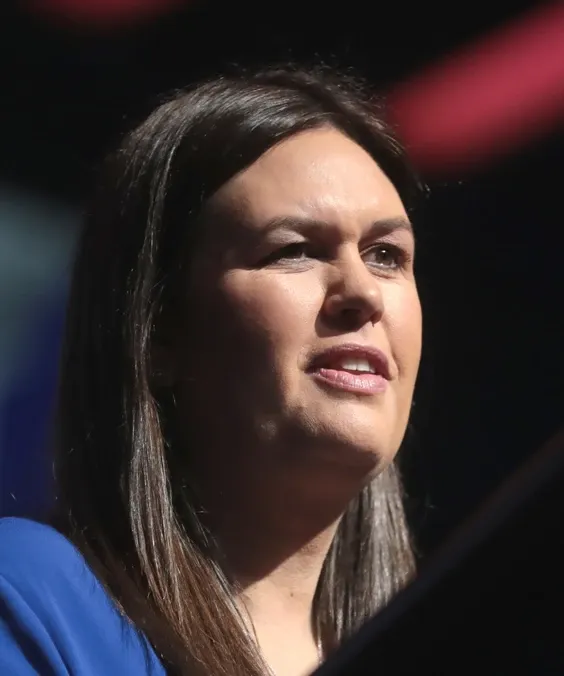
Bruce Westerman
The Public Record
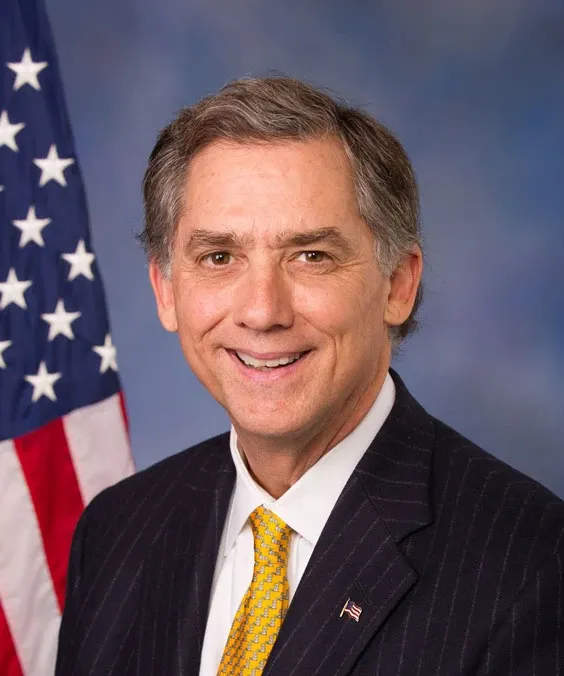
Bruce Eugene Westerman is an American politician serving as the U.S. Representative for Arkansas's 4th congressional district since January 6, 2015. A member of the Republican Party, Westerman has focused on issues such as natural resources, forestry, and environmental policy during his time in office. He has been an advocate for sustainable forestry practices and has worked on legislation aimed at improving the management of public lands. Westerman has also been involved in discussions around economic development and job creation in Arkansas.
Oct 15, 2019
We must work together to ensure the families of our Nation's heroes get the answers that they deserve.
Sep 25, 2019
At some point, we will have to decide whether we want to be Members of Congress, of the legislative branch.
Sep 25, 2019
We should really find that unacceptable, regardless of who the administration is.
Sep 25, 2019
I felt your pain, because we saw similar things happen under the previous administration.
Sep 17, 2019
We are pleased that the House Water Resources Subcommittee is taking the time to hold a hearing on this and other very important Clean Water Act (CWA) issues.
Sep 17, 2019
The rollback of the 2015 rule ends 'years of uncertainty over where federal jurisdiction begins and ends.'
Sep 17, 2019
The American Forest & Paper Association (AF&PA) appreciates the opportunity to submit this statement for the record.
Sep 17, 2019
What is most important to these compliance efforts is a permitting process that is consistent, predictable, timely, and focused on protecting true aquatic resources.
Sep 17, 2019
There is no common sense in what is going on in many of these rules that are getting passed down.
Sep 17, 2019
They don't want to sidestep the rules or avoid the rules. They want to know what the rules are so that they can meet the regulations...
Sep 17, 2019
I would like to take some time and apologize to all those farmers, those construction workers, everybody that is out there in this country trying to do the right thing...
Sep 17, 2019
I applaud the administration for trying to put some sanity into these regulations so that people know how to deal with them.
Sep 17, 2019
I am also a licensed professional engineer. I spent over two decades doing engineering work.
Sep 17, 2019
Neither the federal government nor a state should become overbearing and upset that balance.
Sep 17, 2019
Protecting our waters is absolutely critical to communities and ecosystems at home and all around the Nation.
Sep 17, 2019
It is critical that neither the Federal Government nor a State takes too heavy-handed an approach.
Sep 17, 2019
The most effective way to address these issues is through implementing effective and pragmatic environmental policies under the Clean Water Act that balance environmental, economic, and social outcomes.
Sep 12, 2019
In the face of increasing belligerence from Russia and China and an unstable Middle East, Members of this House have a choice. We can choose dirtier foreign energy over responsibly developing a tiny parcel of land already set aside for…
Sep 12, 2019
I thank the gentleman from Alaska for yielding. Mr. Chairman, my colleagues on the other side of the aisle proclaim that they are concerned about the environment, but that does not mean that I am not concerned about the environment or that…
Jul 24, 2019
Healthcare cannot and should not be a political issue if we truly hope to help all Americans.
Jul 24, 2019
We can either fight and bicker about trivial political matters or we can work together to make progress and actually address the healthcare crisis.
Jul 24, 2019
In the United States of America, we can do much better in healthcare. We can cover more people. We can cover preexisting conditions.
Politicians like Bruce Westerman