May 31, 2020
Part of the function of oversight is to make sure that the law is being carried out, that justice is administered, and, if it is not, that we rectify that.
The Public Record
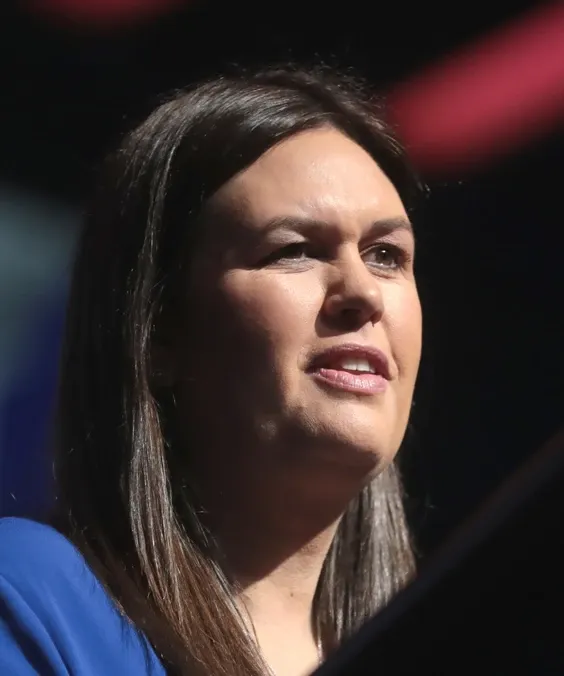
Bruce Eugene Westerman is an American politician serving as the U.S. Representative for Arkansas's 4th congressional district since January 6, 2015. A member of the Republican Party, Westerman has focused on issues such as natural resources, forestry, and environmental policy during his time in office. He has been an advocate for sustainable forestry practices and has worked on legislation aimed at improving the management of public lands. Westerman has also been involved in discussions around economic development and job creation in Arkansas.
Part of the function of oversight is to make sure that the law is being carried out, that justice is administered, and, if it is not, that we rectify that.
This hearing is about politics and I apologize to you and the rest of the officers in the United States Park Police for having to endure a political attack.
Why is it not too big of a health concern to call us back from all across the country to vote on a useless messaging bill that will wither on the vine outside this Chamber, but it is too much to ask us to come back and hold committee…
I look forward to working with my fellow colleagues to develop and pass this important legislation over the next several months.
I want to stress again that this is not just a carbon sequestration bill, it is a carbon emission reduction bill.
Sustainability is keeping something at a level or better than you found it in the past to get on to future generations.
As long as it is solid, the carbon is there. It is the best carbon storage mechanism that we know of.
No, and I challenge anybody in the room or outside the room to tell me a better way to get the existing carbon that is in the atmosphere at 411 parts per million, to get that out of the atmosphere.
I have never said we don't need to reduce carbon emissions, and this bill actually focuses on reducing carbon emissions and sequestering carbon.
Not hardly. I consider planting trees and taking care and being good stewards of the forests that we have sound environmental stewardship.
The answer is trees. Unequivocally, the most pragmatic, proactive, economical, and large-scale solution to reducing atmospheric carbon levels is sustainable forestry.
Despite public misconception, the United States leads the world in reducing emissions while we are growing our economy.
Americans want Congress to act. According to the Pew Research Center, most Americans currently list the environment as one of the top policy priorities.
My legislation represents a pragmatic, science-based first step in addressing global carbon emissions, emphasizing natural carbon sequestration through reforestation, forest management, and sustainable utilization.
I am sure this is going to be a fascinating--another series of ongoing hearings, first on climate change.
It is wonderful that when you try to satisfy special interest groups, you can't satisfy them all without actually destroying all of them at the same time.
Much of the legislation that we want to see passed this year has been held up because of this insistent threat that we have to fully fund LWCF.
If indeed the goal of the first bill, which is to end all leasing, were to come into fruition, or at least allow litigation to make sure that the rest of it is stopped at some point, it will have the net effect of destroying Western…
Mr. Westerman has a bill that actually is a common-sense solution that you can solve carbon, either by limiting how much goes into the air, or trying to pull it out of the air.
Politicians like Bruce Westerman