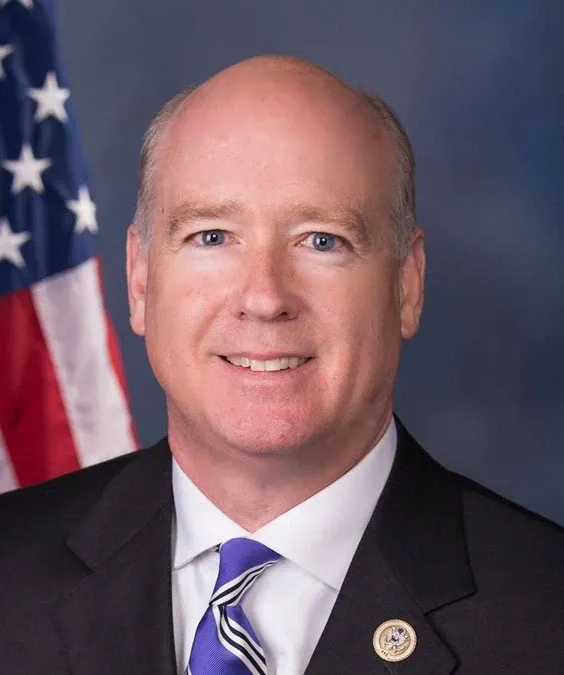
Mike Rogers
The Public Record
Mike Dennis Rogers is a former U.S. Representative for Alabama's 3rd congressional district, serving from 2003 to 2015. A member of the Republican Party, Rogers held various influential positions in Congress, including Chairman of the House Permanent Select Committee on Intelligence. During his tenure, he focused on national security and intelligence issues, advocating for policies to strengthen the military and enhance oversight of intelligence operations.
Mar 16, 2015
What are the risks of this approach, and how does this compare with a path that replaces the RD-180?
Mar 16, 2015
General Hyten, SpaceX has recently made statements about a higher-thrust engine.
Mar 16, 2015
Why is the EELV Launch Capability arrangement in place, and how does this benefit the U.S. Government?
Mar 16, 2015
Can the DOD rely on the domestic commercial launch provider market to the meet the national security requirements for assured access to space?
Mar 16, 2015
Do you plan to fund an entirely new launch vehicle and all new infrastructure? Do you know what it will, or could, cost the taxpayer?
Mar 16, 2015
Ms. Shotwell, you were recently quoted in the media stating that SpaceX is working on a higher-thrust engine.
Mar 16, 2015
Mr. Bruno, why are you planning to phase out the intermediate (single stick) Delta IV launch vehicle?
Mar 16, 2015
I don't want to build another rocket. That gets us down another pig trail that I don't want to go.
Mar 16, 2015
I want to see us come up with our version of the RD-180, the American-made version, and stay within that same technology realm.
Mar 16, 2015
Not having assured access to space is not an option from our national security standpoint.
Mar 16, 2015
I don't want it to look like at any time that the government is putting their finger on the scale to help anybody, except the government.
Mar 16, 2015
I love it when billionaires want to spend their own money to do cool things that help the country, but it's still a business.
Mar 16, 2015
I am very concerned, about this possible window, that we don't have heavy-lift capability. I just am.
Mar 16, 2015
I just want you to understand--and I am not picking on you, because, Blue Origin has got all kind of optimistic promises out there, as does Aerojet.
Mar 16, 2015
Do you agree that there is the potential, as outlined by Ms. McFarland, that there could be a multi-year period where we would not have assured access to space for the heavy NRO platforms?
Mar 16, 2015
Before I stop, I want to go to what Ms. McFarland just described as this potential gap of time when we won't have access, particularly on the heavy-lift...
Politicians like Mike Rogers