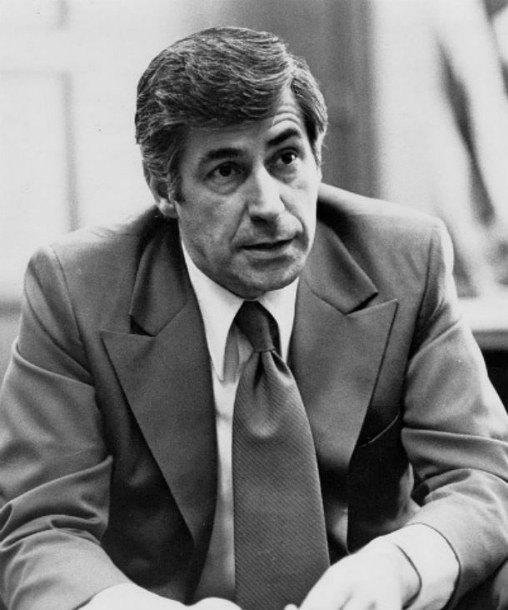
Mark Begich
The Public Record
Mark Begich is an American politician who served as the U.S. Senator from Alaska from 2009 to 2014. A member of the Democratic Party, he focused on issues such as healthcare, veterans' affairs, and economic development during his time in office. Begich was known for his efforts to advocate for Alaska's unique needs and challenges, including those related to energy and the environment.
Jul 30, 2013
We actually have a bill that I have introduced--the President has taken it up in one of his packages--on mental health first aid for, basically, individuals within educational environments.
Jul 30, 2013
They understand the repairs are better, to have them not have to go out there in freezing cold weather.
Jul 23, 2013
But, 2 months on a new rule that they jumped on--and I give them credit. Now, it's not perfect, and I think you guys have acknowledged that, and there's some more room, here.
Jul 23, 2013
I would say that I think we have an obligation, as a committee, as whatever that seasons are done, that this industry do report to us on what is happening with their Bill of Rights, and are they employing them correctly?
Jul 23, 2013
We want correct advertising. So, if someone sees this Bill of Rights, they know the detail is wherever it is.
Jul 22, 2013
Senators Lisa Murkowski and Mark Begich and Congressman Don Young strongly support revenue sharing for Alaska and Alaska's coastal political subdivisions
Jul 22, 2013
Do you think we need to make sure in Magnuson-Stevens we do have commentary or concern or even language in there to talk about the marketing of our seafood products, not only locally, but internationally?
Jul 22, 2013
It's still a food supply and food for this country and so it's an interesting debate that every meeting that I have, every hearing I have, I try to bring this to people's attention.
Jul 22, 2013
I know I said on the Appropriations Committee we were able to put at this point in the Commerce Committee's Subcommittee report $150 million for disaster relief for fisheries failures in the Nation.
Jul 22, 2013
There's a noon vote, so we will attempt to get through all the testimonies as quickly as we can.
Jul 22, 2013
Can I ask quick and then I'll go to Senator Ayotte--Mr. Bullard, could you give us maybe again for the record, not right now, but maybe the last 5 years of that Fund and how that has been used?
Jul 16, 2013
We need to make sure that it's truly a universal system, not based on who can invest the most
Jul 16, 2013
When you think of the high cost to deliver--even though we debate the FCC recently, and we think they should correct this, and I think they will--when they made the claim that it was cheaper to build in Alaska than in the Lower 48…
Jul 16, 2013
If we actually used technology in the Senate to vote, we might be able to vote easier.
Politicians like Mark Begich