They eagerly recognised the genius of scientific discovery; but they had no eyes for the genius of moral holiness.
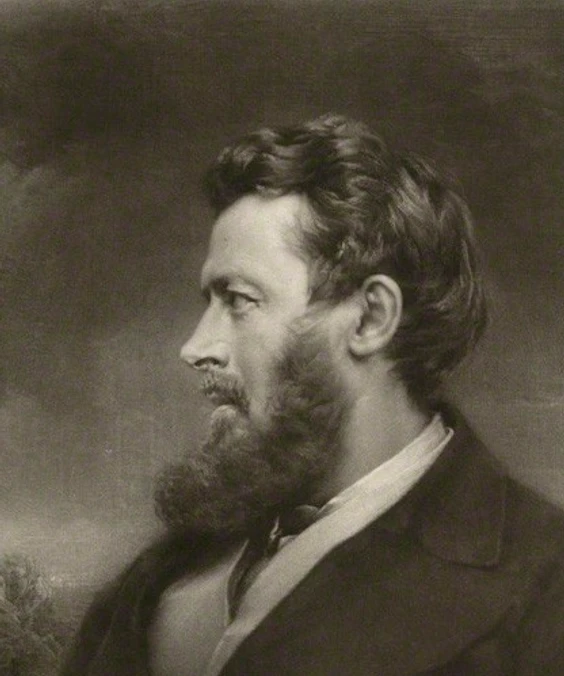
John Morley
The Public Record
John Morley, 1st Viscount Morley of Blackburn,, was a British Liberal statesman, writer and newspaper editor.
gutenberg.org
Even if we give Turgot the benefit of the doubt whether he intended to describe more than the progress of the human intelligence, or the knowing part of the mind, the omission of the whole moral side is still a defect.
For as he interprets knowledge to be the conformity of our ideas to facts, has there not been a clearly recognisable progress in the improved conformity of our ideas to the most momentous facts of all, the various circumstances of human…
No factor among the constituents of a progressive civilisation deserves more carefully to be taken into account, than the degree in which the current opinion and usage of a society recognise the comprehensiveness of moral obligation.
More than upon anything else, does progress depend on the kinds of conduct which a community classifies as moral or immoral, and upon the wider or narrower inclusiveness within rigid ethical boundaries of what ought or ought not to be left…
The conditions which create and modify these ethical regulations,--their law in a word,--form a department of the history of the human mind, which can be almost less readily dispensed with than any other.
What sort of a history of Europe would that be, which should omit, for example, to consider the influence of the moral rigour of Calvinism upon the growth of the nations affected by it?
Moreover, Turgot expressly admits the ever-present wants of society to be the stimulating agents, as well as the guides, of scientific energy.
Surely this chamber, too, in the great laboratory deserves that the historian should unseal its door and explore its recesses.
It is mere futility to talk of cause and effect in connection with a string of arbitrarily chosen incidents of this sort.
But, at all events, his conception of history rose above merely individual concerns, embraced the successive movements of societies and their relations to one another, and sought the spring of revolutions in the affairs of a community in…
The fortunes and achievements of each nation were scrutinised for their effect on the growth of all mankind.
The soil of the Limousin was declared by its inhabitants to be the most ungrateful in the whole kingdom, returning no more than four net for one of seed sown, while there was land in the vale of the Garonne that returned thirty-fold.
So the land lacked both the arms of the tiller, and the dressing whose generous chemistry would have transmuted the dull earth into fruitfulness and plenty.
The common food of the people was the chestnut, and to the great majority of them even the coarsest rye-bread was a luxury that they had never tasted.
They passed abruptly and without remorse from a penitential procession to the tavern and the brothel.
Their Christianity was as superficial as that of the peasant of the Eifel in our own day, or of the Finnish converts of whom we are told that they are even now not beyond sacrificing a foal in honour of the Virgin Mary.
He could have little thought of high salary or personal ease, when he discerned an opportunity of improving the hard lot of the peasant, and softening the misfortunes of the realm.
It might be said to be the religion of all the best men of that century, and it was natural that it should be so.
The decay of a theology that places our deepest solicitudes in a sphere beyond this, is naturally accompanied by a transfer of these high solicitudes to a nearer scene.
There are two sorts of mistaken people in the world: those who always think that something could and ought to have been done to prevent disaster, and those who always think that nothing could have been done.
Though he respected the writings of Rousseau and confessed his obligations to them, Turgot abhorred declamation.
The court wasted more in a fortnight in the easy follies of Versailles, than would have given to the Limousin the instrument of a finished scheme of fiscal order.
The worst abuses were corrected, and the most crying iniquities swept away, save that iniquity of the exemption of the privileged orders, which Turgot could not yet venture to touch.
I would use my best endeavours to make these States independent in matters of administration.
Politicians like John Morley