The spirit of ambition had taken possession of this class as violently as ever it had done of any other.
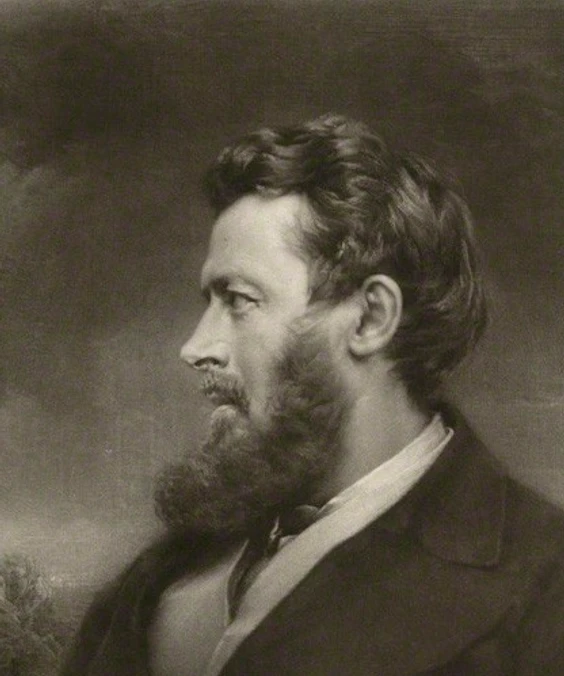
Edmund Burke
The Public Record
Edmund Burke was an Anglo-Irish writer, philosopher, and politician who is widely credited as the founder of the cultural and political philosophy of conservatism. Regarded as one of the most influential conservative thinkers and political writers of the 18th century, Burke spent the majority of his career in Great Britain and was elected as a member of Parliament (MP) from 1766 to 1794 in the House of Commons of Great Britain with the Whig Party. His writings played a significant role in influencing public views and opinions in both Great Britain and France following the French Revolution in 1789, and he remains a major figure in modern conservative circles.
gutenberg.org
Like whatever is the most effectively rich and great in society, these classes became the seat of all the active politics, and the preponderating weight to decide on them.
The middle classes had swelled far beyond their former proportion.
The chain of subordination, even in cabal and sedition, was broken in its most important links.
They were no longer to be controlled by the force and influence of the grandees, who formerly had been able to stir up troubles by their discontents and to quiet them by their corruption.
Their causes no longer lurked in the recesses of cabinets or in the private conspiracies of the factious.
A silent revolution in the moral world preceded the political, and prepared it.
Afterwards, a republican constitution was, under the influence of France, established in the Empire, against the pretensions of its chief.
Under his ancestors, the monarchy had subsisted, and even been strengthened, by the generation or support of republics.
It is not at all wonderful that both he and his ministers, giving way abundantly in other respects to innovation, should take up in policy with the tradition of their monarchy.
The failure, perhaps, in part, was owing to his suffering his system to be vitiated and disturbed by those intrigues which it is, humanly speaking, impossible wholly to prevent in courts, or indeed under any form of government.
It failed partly from mere ill fortune, to which speculators are rarely pleased to assign that very large share to which she is justly entitled in all human affairs.
But as courts are the field for caballers, the public is the theatre for mountebanks and impostors.
The unhappy Louis the Sixteenth was a man of the best intentions that probably ever reigned.
The errors of Louis the Sixteenth were more pardonable to prudence than any of those of the same kind into which the allied courts may fall.
In one word, with this republic nothing independent can coexist.
They have a boundless inheritance in hope, and there is no medium for them betwixt the highest elevation and death with infamy.
They have everything to gain, and they have nothing to lose.
The rulers there have found their resources in crimes.
We have seen it; the world has felt it; and if the world will shut their eyes to this state of things, they will feel it more.
We have not considered as we ought the dreadful energy of a state in which the property has nothing to do with the government Reflect, my dear Sir, reflect again and again, on a government in which the property is in complete subjection…
But unity in design and perseverance and boldness in pursuit have never wanted resources, and never will.
Material resources never have supplied, nor ever can supply, the want of unity in design and constancy in pursuit.
They seize upon the fruit of the labor; they seize upon the laborer himself.
It has destroyed every resource of the state which depends upon opinion and the good-will of individuals.
Politicians like Edmund Burke