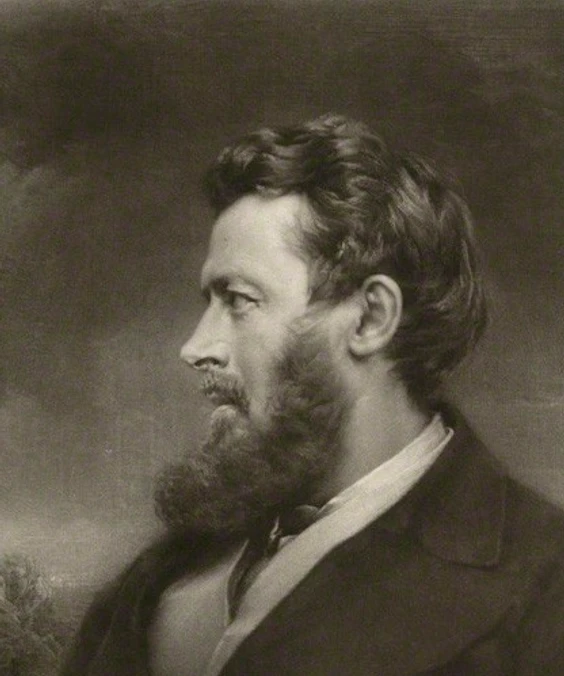
He has laid it down as a sort of canon, (in injustice and corruption,) that, whatever demand, whether just or unjust, a man declares his intention of making upon another, he should exact the precise sum which he has determined upon, and that, if he takes anything less, it is a proof of corruption.
Edmund Burke: “He has laid it down as a sort of canon, (in injustice and corruption,) that, whatever demand, whether just or unjust, a…”
Editor's note · Context
Burke critiques the moral implications of demanding exact payments regardless of justice.
Share
More from Edmund Burke
A state without the means of some change is without the means of its conservation.
If all the absurd theories of lawyers and divines were to vitiate the objects in which they are conversant, we should have no law and no religion left in the world.
We procure reverence to our civil institutions on the principle upon which Nature teaches us to revere individual men: on account of their age, and on account of those from whom they are descended.
They threw a politic, well-wrought veil over every circumstance tending to weaken the rights which in the meliorated order of succession they meant to perpetuate, or which might furnish a precedent for any future departure from what they…