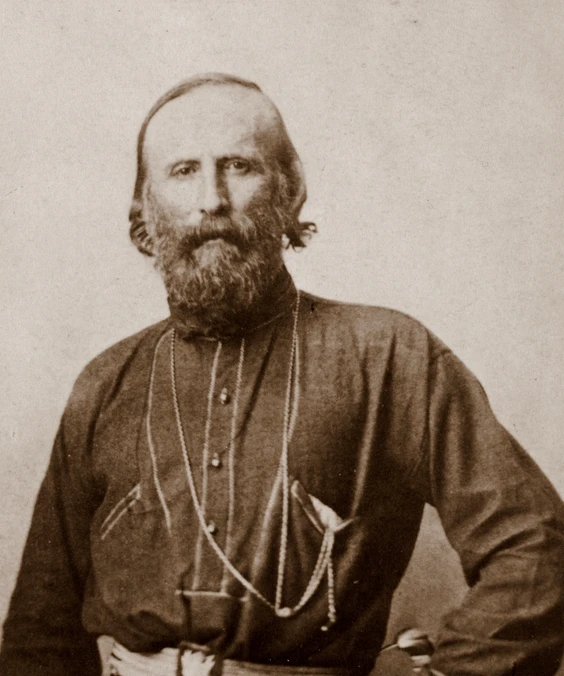
For it happens somehow or other that we detect another's failings more readily than we do our own; and so in the school-room those pupils learn most easily to do better whose faults the masters mimic for the sake of correcting them.
Cicero: “For it happens somehow or other that we detect another's failings more readily than we do our own; and so in the…”
Editor's note · Context
This passage observes a common human tendency to perceive the flaws of others more easily than one's own.
Share
More from Cicero
Now, those who care for the interests of a part of the citizens and neglect another part, introduce into the civil service a dangerous element--dissension and party strife.
Whether we do the kindness or not is optional; but to fail to requite one is not allowable to a good man, provided he can make the requital without violating the rights of others.
For they secure one sort of justice, to be sure, in that they do no positive wrong to anyone, but they fall into the opposite injustice; for hampered by their pursuit of learning they leave to their fate those whom they ought to defend.
From this attitude come greatness of soul and a sense of superiority to worldly conditions.