
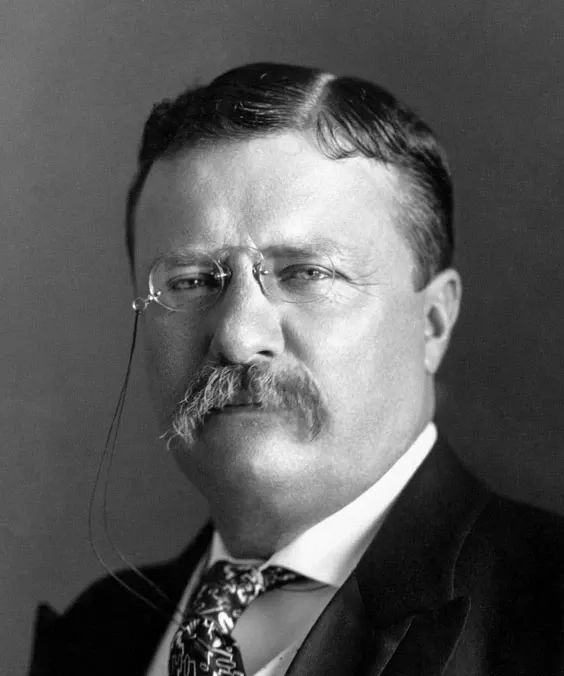
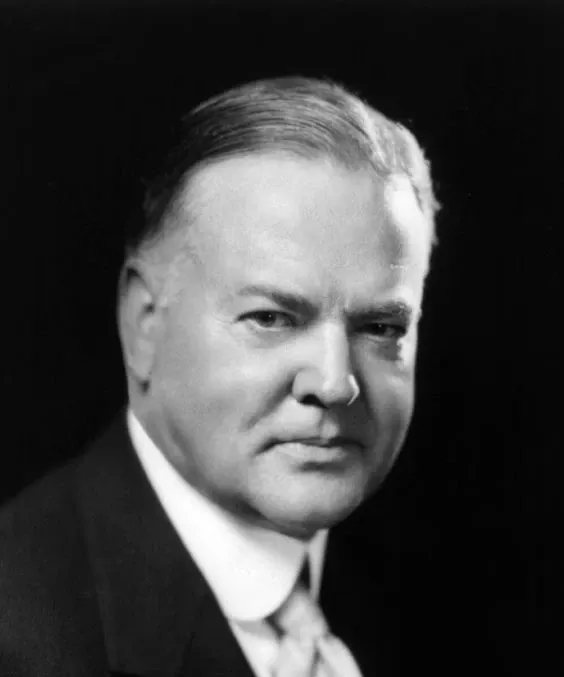

@teddyroosevelt· Republican · NY· Jan 1, 1900
To do our duty—that is the sum and substance of the whole matter.
From the public-domain record · 81,371 quotes
Founders, statesmen and world leaders — cited from their collected works.
The figures
To do our duty—that is the sum and substance of the whole matter.
We are strong men, and we intend to do our duty.
We have got to see the work through, because we are not a nation of weaklings.
We have got to stay there, establish order, and then give the inhabitants as much self-government as they show they can use to advantage.
If we do not rule wisely, and if our rule is not in the interest of the peoples who have come under our guardianship, then we had best never to have begun the effort at all.
If we are frightened at the task, above all, if we are cowed or disheartened by any check, or by the clamor of the sensation-monger, we shall show ourselves weaklings unfit to invoke the memories of the stalwart men who fought to a finish…
As we perform those duties well or ill, so will we, in large part, determine our right to a place among the great nations of the earth.
We must work out our own destiny by our own strength.
No alliance, no inoffensive conduct on our part, would supply, in time of need, the failure in ability to hold our own with the strong hand.
No friendliness with other nations, no good will for them or by them, can take the place of national self-reliance.
The Republic can not stand if honesty and decency do not prevail alike in public and private life; if we do not set ourselves seriously at work to solve the tremendous social problems forced upon us by the far-sweeping industrial changes…
We must be true to ourselves, or else, in the long run, we shall be false to all others.
The men we need are the men of strong, earnest, solid character—the men who possess the homely virtues, and who to these virtues add rugged courage, rugged honesty, and high resolve.
We do not need men of unsteady brilliancy or erratic power—unbalanced men.
There are dangers of peace and dangers of war; dangers of excess in militarism and of excess by the avoidance of duty that implies militarism; dangers of slow dry-rot, and dangers which become acute only in great crises.
Of course the all-important thing to keep in mind is that if we have not both strength and virtue we shall fail.
We need to be possessed of the spirit of justice and of the spirit which recognizes in work and not ease the proper end of effort.
We must do our duty to ourselves and our brethren in the complex social life of the time.
We must not flinch from our duties abroad merely because we have even more important duties at home.
We have difficulties and dangers enough in the present, and it is the way we face them which it to determine whether or not we are fit descendants of the men of the mighty past.
Let us in return try to shape our deeds so that the America of the future shall justify by her career the lives of the great men of her past.
It is character that counts in a nation as in a man.
His greatness was not so much greatness of intellect as greatness of character, including in the word “character” all the strong, virile virtues.
Grant, in short, stood for the great elementary virtues, for justice, for freedom, for order, for unyielding resolution, for manliness in its broadest and highest sense.