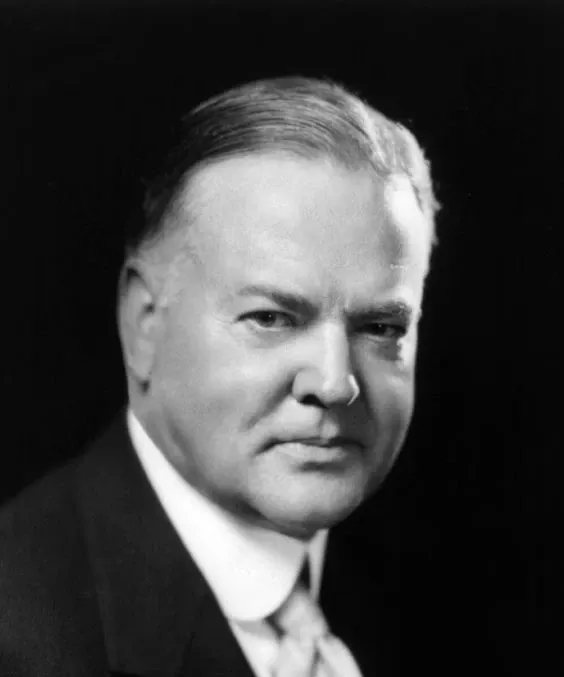
Without the habit of orderly obedience to the law, without the stern enforcement of the laws at the expense of those who defiantly resist them, there can be no possible progress, moral or material, in civilization.
From the public-domain record · 81,371 quotes
Historical voices
Founders, statesmen and world leaders — cited from their collected works.
The figures
Law must be based upon justice, else it can not stand, and it must be enforced with resolute firmness, because weakness in enforcing it means in the end that there is no justice and no law, nothing but the rule of disorderly and…
Law and order enforced with justice and by strength lie at the foundations of civilization.
Anarchy is simply the handmaiden and forerunner of tyranny and despotism.
We have done our duty ourselves, and we have done the higher duty of promoting the civilization of mankind.
The bare recital of the facts is sufficient to show that we did our duty; and what prouder title to honor can a nation have than to have done its duty?
No nation capable of self-government, and of developing by its own efforts a sane and orderly civilization, no matter how small it may be, has anything to fear from us.
The true American has never feared to run risks when the prize to be won was of sufficient value.
It is vain to tell a people as masterful as ours that the spirit of enterprise is not safe.
Here again we must remember that our first duty is to our own people, and yet that we can best get justice by doing justice.
We do not by this doctrine intend to sanction any policy of aggression by one American commonwealth at the expense of any other, nor any policy of commercial discrimination against any foreign power whatsoever.
All that is needful is that it should continue to be a cardinal feature of American policy on this continent; and the Spanish-American states should, in their own interests, champion it as strongly as we do.
Such an attitude will be the surest possible guarantee of that self-respecting peace, the attainment of which is and must ever be the prime aim of a self-governing people.
Let us further make it evident that we use no words which we are not prepared to back up with deeds, and that while our speech is always moderate, we are ready and willing to make it good.
Then let us make it equally evident that we will not tolerate injustice being done to us in return.
Let us make it evident that we intend to do justice.
It is both foolish and undignified to indulge in undue self-glorification, and, above all, in loose-tongued denunciation of other peoples.
In private life there are few beings more obnoxious than the man who is always loudly boasting; and if the boaster is not prepared to back up his words his position becomes absolutely contemptible.
Right here let me make as vigorous a plea as I know how in favor of saying nothing that we do not mean, and of acting without hesitation up to whatever we say.
But we may be certain of one thing: whether we wish it or not, we can not avoid hereafter having duties to do in the face of other nations.
We must ever keep the core of our national being sound, and see to it that not only our citizens in private life, but, above all, our statesmen in public life, practice the old, commonplace virtues which from time immemorial have lain at…
No prosperity and no glory can save a nation that is rotten at heart.
We admit with all sincerity that our first duty is within our own household; that we must not merely talk, but act, in favor of cleanliness and decency and righteousness, in all political, social, and civic matters.
The man who works, the man who does great deeds, in the end dies as surely as the veriest idler who cumbers the earth’s surface; but he leaves behind him the great fact that he has done his work well.


