There is, first, the wrong of failing to keep a promise made, and, in the next place, there is the wrong of demanding the impossible, and therefore forcing or permitting weak or unscrupulous men to make a promise which they either know, or…
From the public-domain record · 81,371 quotes
Historical voices
Founders, statesmen and world leaders — cited from their collected works.
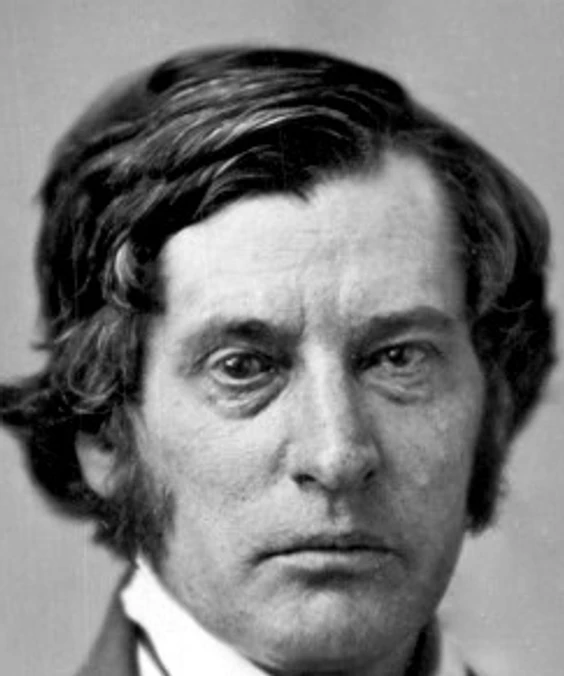
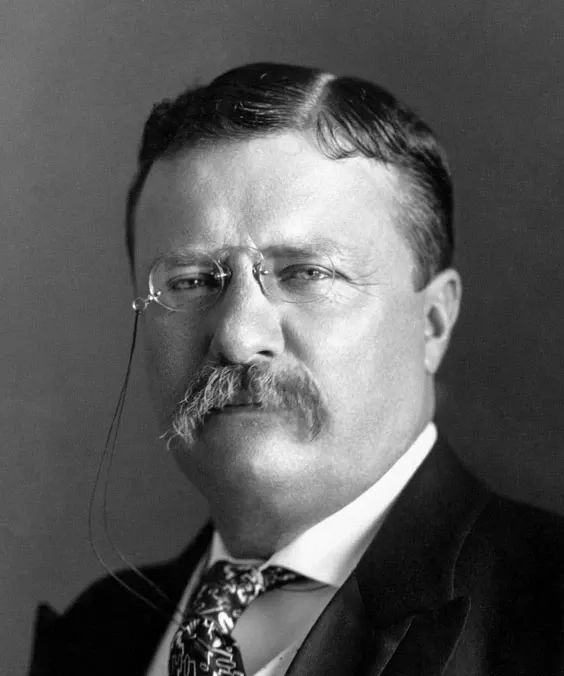
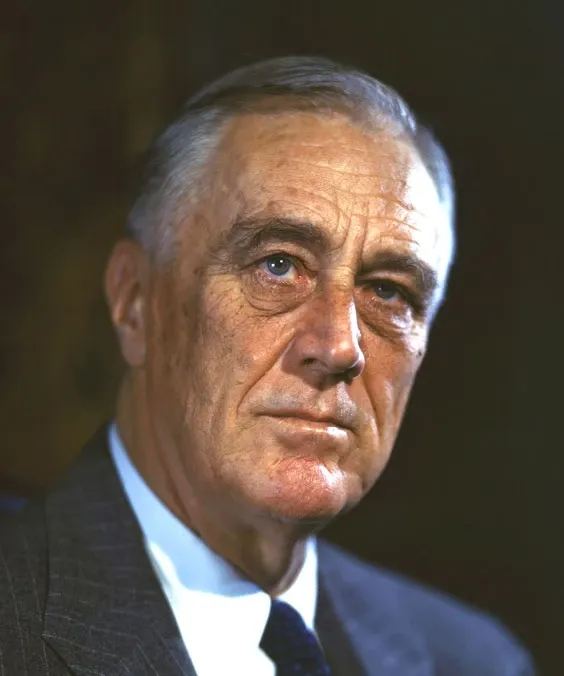
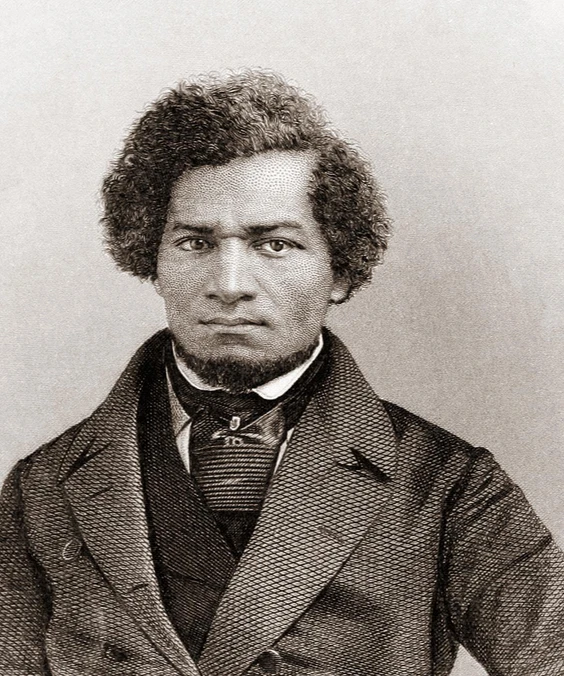
The figures
The one fact which all of us need to keep steadfastly before our eyes is the need that performance should square with promise if good work is to be done, whether in the industrial or in the political world.
There are spheres in which the State can properly act, and spheres in which a free field must be given to individual initiative.
No man can be certain that he has found the entire solution of this infinitely great and intricate problem, and yet each man of us, if he would do his duty, must strive manfully so far as in him lies to help bring about that solution.
Any man at times will stumble, and it is then our duty to lift him up and set him on his feet again; but no man can be permanently carried, for if he expects to be carried he shows that he is not worth carrying.
Yet, though each man can and ought thus to be helped at times, he is lost beyond redemption if he becomes so dependent upon outside help that he feels that his own exertions are secondary.
There is not a man of us who does not sometimes slip, who does not sometimes need a helping hand; and woe to him who, when the chance comes, fails to stretch out that helping hand.
We must all learn the two lessons—the lesson of self-help and the lesson of giving help to and receiving help from our brother.
You men here in the West have built up this country not by seeking to avoid work, but by doing it well; not by flinching from every difficulty, but by triumphing over each as it arose and making out of it a stepping-stone to further…
No worse wrong can be done by a man to his children than to teach them to go through life endeavoring to shirk difficulties instead of meeting them and overcoming them.
It is eminently wise and proper to strive for such leisure in our lives as will give a chance for self-improvement; but woe to the man who seeks, or trains up his children to seek, idleness instead of the chance to do good work.
We must do our duty by ourselves and we must do our duty by our neighbors.
If he does not work, he fails not only in his duty to the rest of the community, but he fails signally in his duty to himself.
In short, he must work, and work not only for himself, but for others.
There are many ways in which this service can be rendered,—in art, in literature, in philanthropy, as a statesman, as a solider,—but in some way he is in honor bound to render it, so that benefit may accrue to his brethren who have been…
He is not to be excused if he does not render full measure of service to the State and to the community at large.
To whom much has been given, from him much is rightfully expected, and a heavy burden of responsibility rests upon the man of means to justify by his actions the social conditions which have rendered it possible for him or his forefathers…
The idler, rich or poor, is at best a useless and is generally a noxious member of the community.
Where possible it is always better to mediate before the strike begins than to try to arbitrate when the fight is on and both sides have grown stubborn and bitter.
Poor work is always dear, whether poorly paid or not, and good work is always well worth having; and as a mere question of expediency, aside even from the question of humanity, we find that we can obtain the best work by paying fair wages…
But we think that, while rigidly insisting upon good work, we should see that there is fair play in return.
We do not intend to permit the people’s money to be squandered or to tolerate any work that is not the best.
In certain communities the existence of a thoroughly efficient department of factory inspection is just as essential as the establishment of a fire department.
We have exactly the same right to regulate the conditions of life and work in factories and tenement-houses that we have to regulate fire-escapes and the like in other houses.


