If, however, the vistas disclosed as yet no goal, no resting-place, little but flattery and criticism, the journey at least gave leisure for reflection and self-examination; it changed the child of Emancipation to the youth with dawning…
From the public-domain record · 81,371 quotes
Historical voices
Founders, statesmen and world leaders — cited from their collected works.
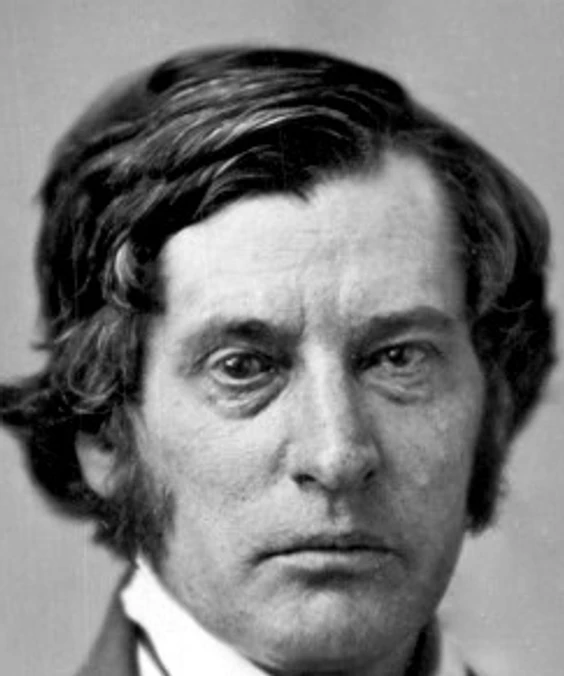
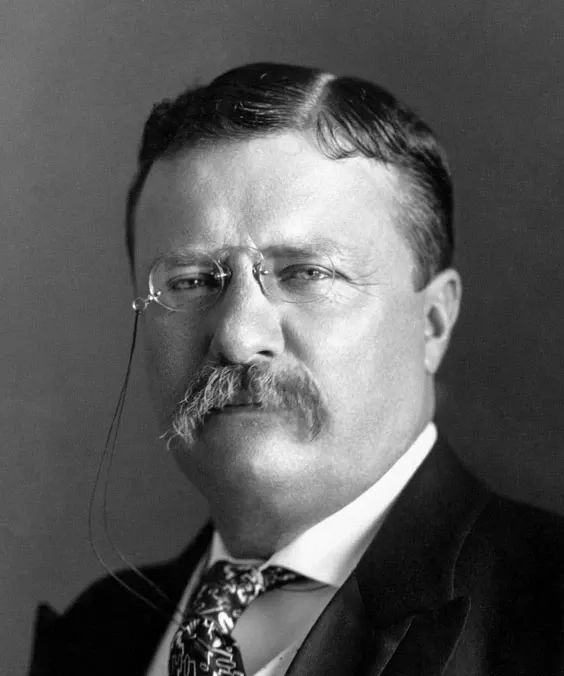
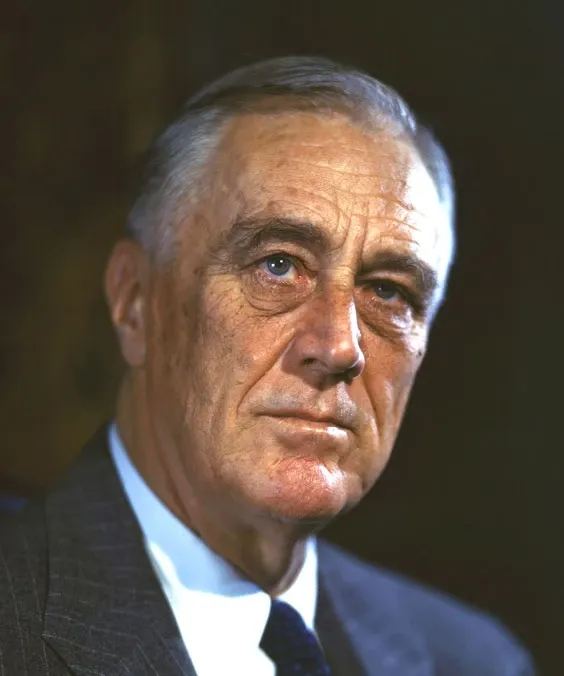
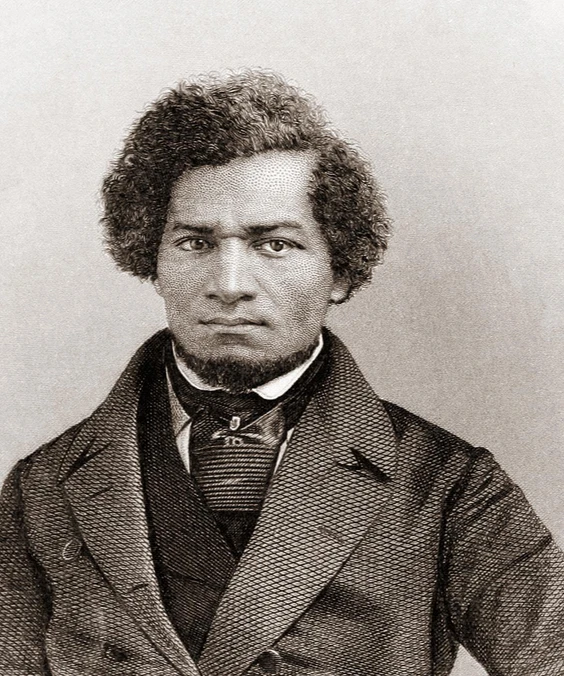
The figures
Here at last seemed to have been discovered the mountain path to Canaan; longer than the highway of Emancipation and law, steep and rugged, but straight, leading to heights high enough to overlook life.
It was the ideal of “book-learning”; the curiosity, born of compulsory ignorance, to know and test the power of the cabalistic letters of the white man, the longing to know.
Slowly but steadily, in the following years, a new vision began gradually to replace the dream of political power,—a powerful movement, the rise of another ideal to guide the unguided, another pillar of fire by night after a clouded day.
A million black men started with renewed zeal to vote themselves into the kingdom.
The ballot, which before he had looked upon as a visible sign of freedom, he now regarded as the chief means of gaining and perfecting the liberty with which war had partially endowed him.
The holocaust of war, the terrors of the Ku-Klux Klan, the lies of carpet-baggers, the disorganization of industry, and the contradictory advice of friends and foes, left the bewildered serf with no new watchword beyond the old cry for…
The first decade was merely a prolongation of the vain search for freedom, the boon that seemed ever barely to elude their grasp,—like a tantalizing will-o’-the-wisp, maddening and misleading the headless host.
Whatever of good may have come in these years of change, the shadow of a deep disappointment rests upon the Negro people,—a disappointment all the more bitter because the unattained ideal was unbounded save by the simple ignorance of a…
The Nation has not yet found peace from its sins; the freedman has not yet found in freedom his promised land.
Years have passed away since then,—ten, twenty, forty; forty years of national life, forty years of renewal and development, and yet the swarthy spectre sits in its accustomed seat at the Nation’s feast.
In song and exhortation swelled one refrain—Liberty; in his tears and curses the God he implored had Freedom in his right hand.
To him, so far as he thought and dreamed, slavery was indeed the sum of all villainies, the cause of all sorrow, the root of all prejudice; Emancipation was the key to a promised land of sweeter beauty than ever stretched before the eyes…
Away back in the days of bondage they thought to see in one divine event the end of all doubt and disappointment; few men ever worshipped Freedom with half such unquestioning faith as did the American Negro for two centuries.
This waste of double aims, this seeking to satisfy two unreconciled ideals, has wrought sad havoc with the courage and faith and deeds of ten thousand thousand people,—has sent them often wooing false gods and invoking false means of…
Through history, the powers of single black men flash here and there like falling stars, and die sometimes before the world has rightly gauged their brightness.
This, then, is the end of his striving: to be a co-worker in the kingdom of culture, to escape both death and isolation, to husband and use his best powers and his latent genius.
He simply wishes to make it possible for a man to be both a Negro and an American, without being cursed and spit upon by his fellows, without having the doors of Opportunity closed roughly in his face.
He would not bleach his Negro soul in a flood of white Americanism, for he knows that Negro blood has a message for the world.
The history of the American Negro is the history of this strife,—this longing to attain self-conscious manhood, to merge his double self into a better and truer self.
One ever feels his twoness,—an American, a Negro; two souls, two thoughts, two unreconciled strivings; two warring ideals in one dark body, whose dogged strength alone keeps it from being torn asunder.
It is a peculiar sensation, this double-consciousness, this sense of always looking at one’s self through the eyes of others, of measuring one’s soul by the tape of a world that looks on in amused contempt and pity.
After the Egyptian and Indian, the Greek and Roman, the Teuton and Mongolian, the Negro is a sort of seventh son, born with a veil, and gifted with second-sight in this American world,—a world which yields him no true self-consciousness…
The shades of the prison-house closed round about us all: walls strait and stubborn to the whitest, but relentlessly narrow, tall, and unscalable to sons of night who must plod darkly on in resignation, or beat unavailing palms against the…


