


@webdubois· Jan 1, 1903
The black men of America have a duty to perform, a duty stern and delicate,—a forward movement to oppose a part of the work of their greatest leader.
From the public-domain record · 81,371 quotes
Founders, statesmen and world leaders — cited from their collected works.
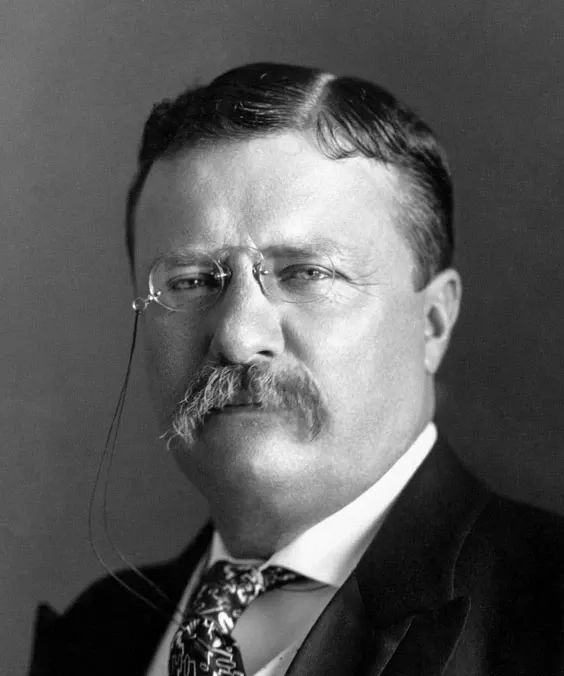
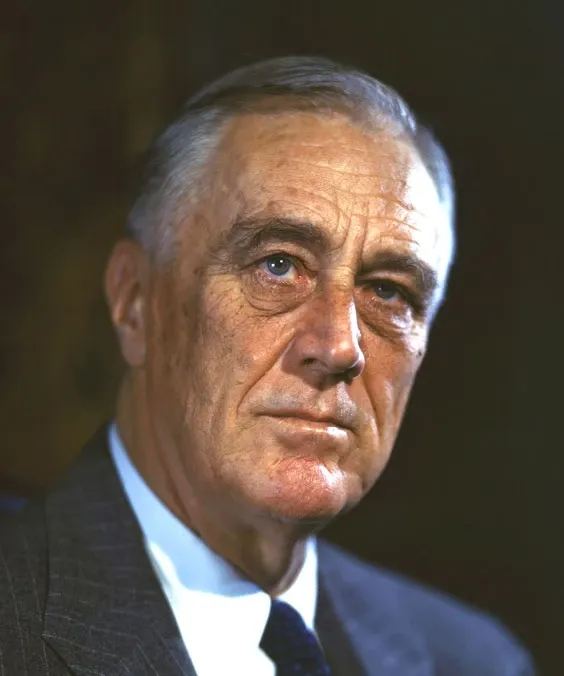
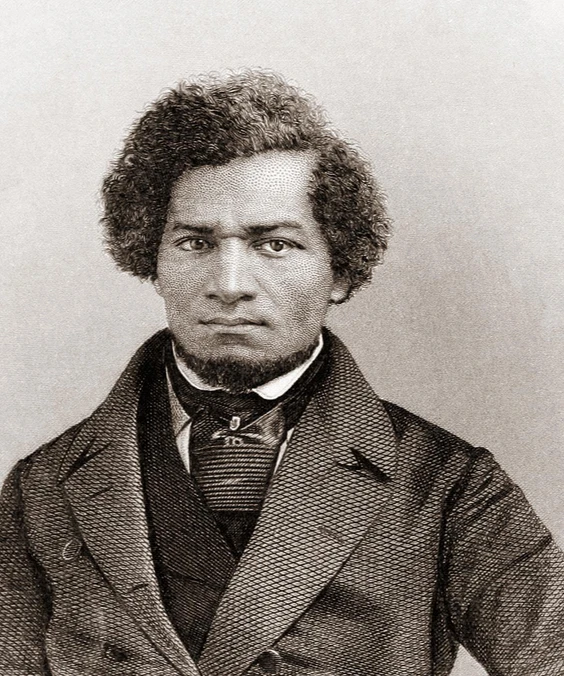
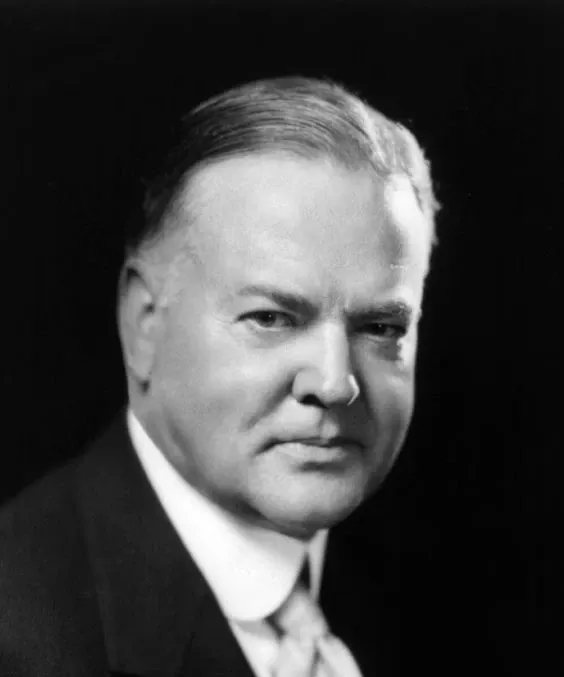
The figures
The black men of America have a duty to perform, a duty stern and delicate,—a forward movement to oppose a part of the work of their greatest leader.
If worse come to worst, can the moral fibre of this country survive the slow throttling and murder of nine millions of men?
We cannot settle this problem by diplomacy and suaveness, by “policy” alone.
The North—her co-partner in guilt—cannot salve her conscience by plastering it with gold.
The South ought to be led, by candid and honest criticism, to assert her better self and do her full duty to the race she has cruelly wronged and is still wronging.
Discriminating and broad-minded criticism is what the South needs,—needs it for the sake of her own white sons and daughters, and for the insurance of robust, healthy mental and moral development.
The South is not “solid”; it is a land in the ferment of social change, wherein forces of all kinds are fighting for supremacy; and to praise the ill the South is today perpetrating is just as wrong as to condemn the good.
Furthermore, to no class is the indiscriminate endorsement of the recent course of the South toward Negroes more nauseating than to the best thought of the South.
The present generation of Southerners are not responsible for the past, and they should not be blindly hated or blamed for it.
First, it is the duty of black men to judge the South discriminatingly.
We have no right to sit silently by while the inevitable seeds are sown for a harvest of disaster to our children, black and white.
It is wrong to encourage a man or a people in evil-doing; it is wrong to aid and abet a national crime simply because it is unpopular not to do so.
And yet, by the irony of fate, nothing has more effectually made this programme seem hopeless than the recent course of the United States toward weaker and darker peoples in the West Indies, Hawaii, and the Philippines,—for where in the…
He advocates common-school and industrial training, and depreciates institutions of higher learning; but neither the Negro common-schools, nor Tuskegee itself, could remain open a day were it not for teachers trained in Negro colleges, or…
He insists on thrift and self-respect, but at the same time counsels a silent submission to civic inferiority such as is bound to sap the manhood of any race in the long run.
He is striving nobly to make Negro artisans business men and property-owners; but it is utterly impossible, under modern competitive methods, for workingmen and property-owners to defend their rights and exist without the right of suffrage.
If history and reason give any distinct answer to these questions, it is an emphatic No.
The question then comes: Is it possible, and probable, that nine millions of men can make effective progress in economic lines if they are deprived of political rights, made a servile caste, and allowed only the most meagre chance for…
In the history of nearly all other races and peoples the doctrine preached at such crises has been that manly self-respect is worth more than lands and houses, and that a people who voluntarily surrender such respect, or cease striving for…
In other periods of intensified prejudice all the Negro’s tendency to self-assertion has been called forth; at this period a policy of submission is advocated.
Washington withdraws many of the high demands of Negroes as men and American citizens.
Washington’s programme practically accepts the alleged inferiority of the Negro races.
Washington’s programme naturally takes an economic cast, becoming a gospel of Work and Money to such an extent as apparently almost completely to overshadow the higher aims of life.
Washington represents in Negro thought the old attitude of adjustment and submission; but adjustment at such a peculiar time as to make his programme unique.