
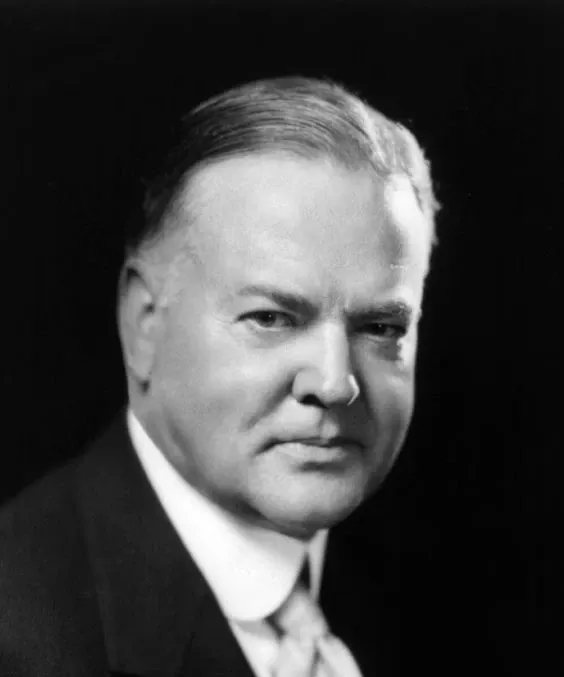

@abrahamlincoln· Republican · IL· Jul 1, 1850
The matter of fees is important, far beyond the mere question of bread and butter involved.
From the public-domain record · 81,371 quotes
Founders, statesmen and world leaders — cited from their collected works.
The figures
The matter of fees is important, far beyond the mere question of bread and butter involved.
A moral tone ought to be infused into the profession which should drive such men out of it.
Who can be more nearly a fiend than he who habitually overhauls the register of deeds in search of defects in titles, whereon to stir up strife, and put money in his pocket?
As a peace-maker the lawyer has a superior opportunity of being a good man.
Point out to them how the nominal winner is often a real loser--in fees, expenses, and waste of time.
Persuade your neighbours to compromise whenever you can.
If any one, upon his rare powers of speaking, shall claim an exemption from the drudgery of the law, his case is a failure in advance.
And yet there is not a more fatal error to young lawyers than relying too much on speech-making.
However able and faithful he may be in other respects, people are slow to bring him business if he cannot make a speech.
Leave nothing for to-morrow which can be done to-day.
The leading rule for a lawyer, as for the man of every other calling, is diligence.
I find quite as much material for a lecture in those points wherein I have failed, as in those wherein I have been moderately successful.
There may sometimes be ungenerous attempts to keep a young man down; and they will succeed, too, if he allows his mind to be diverted from its true channel to brood over the attempted injury.
Allow me to assure you that suspicion and jealousy never did help any man in any situation.
The way for a young man to rise is to improve himself every way he can, never suspecting that anybody wishes to hinder him.
You must not wait to be brought forward by the older men.

It is against religion, as presented by these bodies, that I have felt it my duty to testify.
They can pray for him, pay money to have the Bible put into his hand, and missionaries to instruct him; while they despise and totally neglect the heathen at their own doors.
They are always ready to sacrifice, but seldom to show mercy.
They attend with Pharisaical strictness to the outward forms of religion, and at the same time neglect the weightier matters of the law, judgment, mercy, and faith.
They would be shocked at the proposition of fellowshipping a sheep-stealer; and at the same time they hug to their communion a man-stealer, and brand me with being an infidel, if I find fault with them for it.
Dark and terrible as is this picture, I hold it to be strictly true of the overwhelming mass of professed Christians in America.
Here we have religion and robbery the allies of each other—devils dressed in angels’ robes, and hell presenting the semblance of paradise.
The dealer gives his blood-stained gold to support the pulpit, and the pulpit, in return, covers his infernal business with the garb of Christianity.