Mar 11, 2009
The danger of getting this wrong is very great, and therefore, we've got to act.
The Public Record
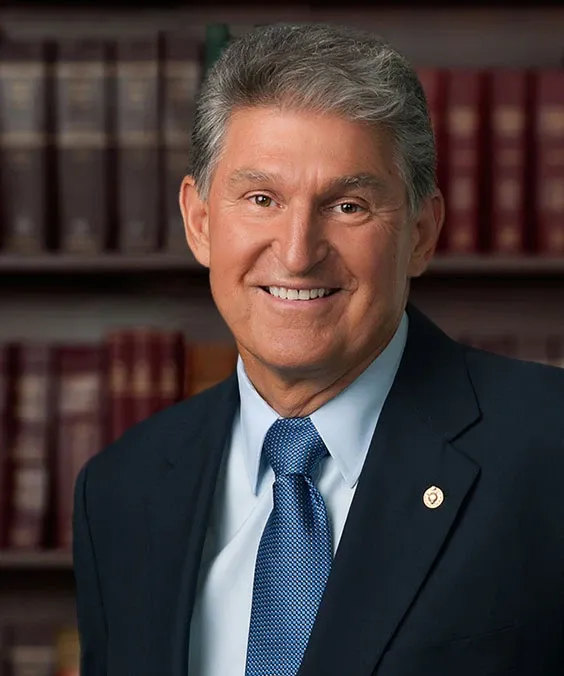
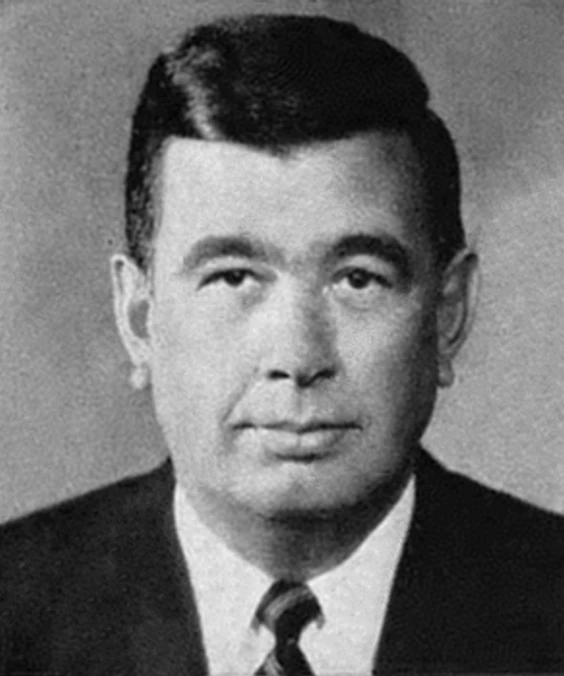
John Davison Rockefeller IV, commonly known as Jay Rockefeller, is a prominent American politician and member of the Democratic Party. Born on June 18, 1937, in New York City, he served as the Governor of West Virginia from 1977 to 1985 and later represented the state in the U.S. Senate from 1985 until his retirement in 2015. During his time in the Senate, Rockefeller was known for his work on healthcare, education, and technology issues, advocating for the expansion of access to healthcare and the improvement of education systems in West Virginia and across the nation.
The danger of getting this wrong is very great, and therefore, we've got to act.
I come from a coal state. Not everybody likes to hear what I have to say about it, but I love my grandchildren.
We must address solutions now. We have to tackle the challenges very directly and intelligently.
However, the cost of inaction will be much, much worse than the economic impact of action.
The quality of our Nation's research in science is the single most important factor in meeting the challenges of climate change.
Make no mistake, climate change is affecting our world in ways we are only beginning to understand.
I wrote a letter to NASA requesting all documents related to contracts awarded to the company.
We have an obligation to the Mrs. Dixes, we flat out do. And we're not fulfilling it.
As I think I've said before to Members, I will give an opening statement and Senator Wicker will give an opening statement if he wishes to.
Families are hurting all across the country. We all know that. They're counting on Congress to help them out.
It sickens me to say that during these extremely difficult times there are really some outrageous, from my point of view, fraudulent practices happening every single day.
It's like the Stimulus package or the Banking package or the Health Care Reform or energy. You've got to do it right.
You know the saying that war is old men sending young men out to die, and the older men often, I think, tend to be a little more aware of the penalties and the dangers and perhaps are a bit conservative.
It's torture. And the great majority of the interrogation community believes that's not the best way to get actionable intelligence in the first place.
We don't glorify torture and killing, and there won't be torture on my watch.
Where do you see that? Is it because of the nuclear power thing? Does it go beyond that?
How does this misunderstanding about torture affect our most valuable national security resources--the young men and women who volunteer to service in the military or the intelligence agencies?
It's already done great damage to our national security, both as a poor interrogation tool and as a boon to terrorist recruitment worldwide.
I don't think that reflects the real America. I don't think that's who we are.
Politicians like Jay Rockefeller