Jul 29, 2020
I think, you know, under the doctrine of civil-military fusion, China is not making these clear siloed distinctions between military operations and sort of economic warfare.
The Public Record
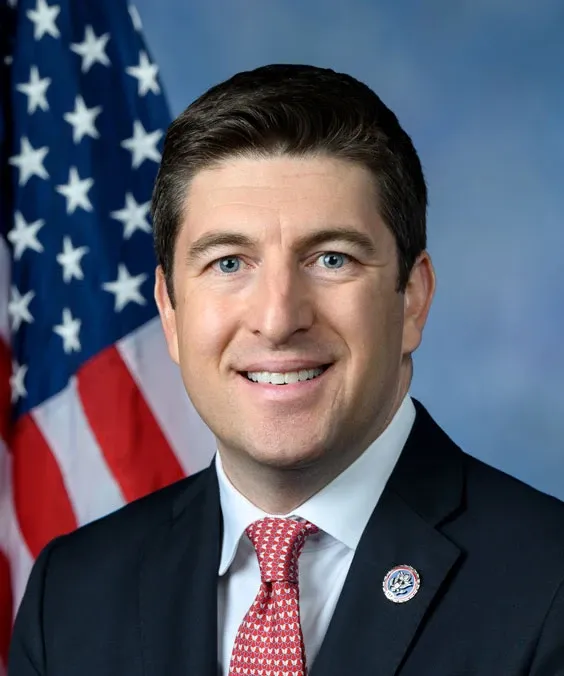
Mike Gallagher is a member of the U.S. House of Representatives, representing Wisconsin's 8th congressional district. A member of the Republican Party, he has served in this role since January 3, 2017. Gallagher is known for his focus on national security, economic issues, and veterans' affairs. He has been an advocate for policies aimed at strengthening the military and enhancing cybersecurity.
I think, you know, under the doctrine of civil-military fusion, China is not making these clear siloed distinctions between military operations and sort of economic warfare.
I am not disagreeing with your analysis, but at least a lot of what I realized in the course of participating in this Commission was that we are insufficiently concerned with the actions of the Chinese Communist Party in cyber.
We have this tendency to look back on the early days of the Cold War and think, well, we just had a bunch of like-minded people.
How do we address this capability gap, and what are some of the Commission's recommendations that address this really important issue...
Let me state at the outset that this is the most nervous I have ever been sitting in this room with all of you.
We need to graduate 2,000 a year. I mean, we have a tremendous need for these skilled people.
I hope you will see reflected in the final report an attempt to speak in plain language.
I think, among the many recommendations in this report, one that I think is absolutely critical is a similar effort today that is needed to think through the unthinkable in cyberspace.
I think this is the primary difference between the logic of strategic nuclear deterrence and the logic of deterrence as we see it in cyberspace...
I agree with Senator King that I think, over time, we will realize that the force structure assessment of the Cyber Mission Force will end up having perhaps the biggest impact on DOD over the next decade.
I thank the ranking member not only for yielding, but for his leadership and setting an example of just being one of the most thoughtful legislators that I have ever witnessed, and so I thank him for his mentorship and his leadership. I am…
We hope that, not only will you digest our full report, but also read our pandemic annex.
Now is the time to put these recommendations into law, into practice, if we are going to protect our country.
I encourage my colleagues to probe the decision making behind the strategy and the recommendations.
The COVID-19 pandemic has upended and altered the way we live, the way we work, and the way we govern.
I am looking forward to discussing those recommendations with my colleagues today--particularly those that would strengthen the Cybersecurity and Infrastructure Security Agency.
Strengthening CISA in that regard is perhaps one of the most important recommendations in our final report.
Despite these well-intentioned efforts, our networks are vulnerable, if not already compromised.
I want to thank all the commissioners for their work on the Cyberspace Solarium Commission, and congratulate them on producing a truly game-changing report and recommendations.
The facilities evaluation dovetails with the commission's recommendation for an integrated cyber center within CISA.
There are areas, however, where we are... imposing further requirements that some in the private sector will no doubt view as onerous.
I think, culturally, what we are trying to do here is shift the culture in the intelligence community and at CISA from a culture of need-to-know to more toward need-to-share.
This really has been an issue that every Presidential administration for the past 25 years, Democrats and Republicans, has tried to figure out: How do we defend U.S. interests and promote U.S. values in cyber space?
Politicians like Mike Gallagher