Jul 28, 2015
I want to follow up a little bit on the Electronics Communications Privacy Act conversation here.
The Public Record
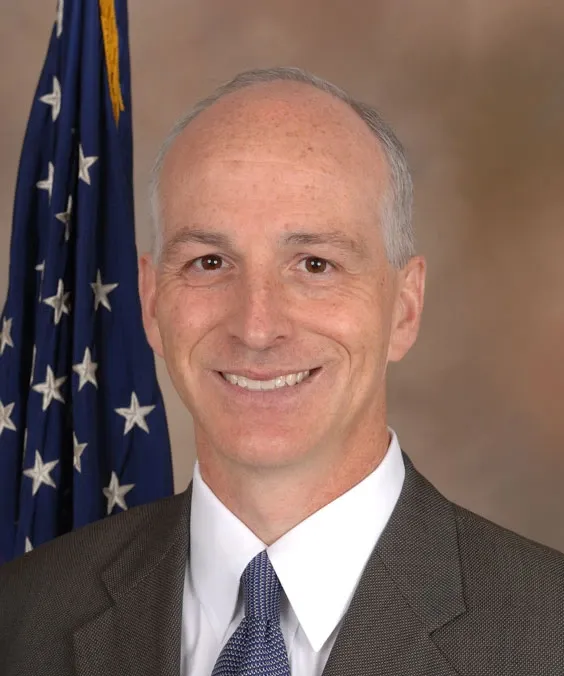
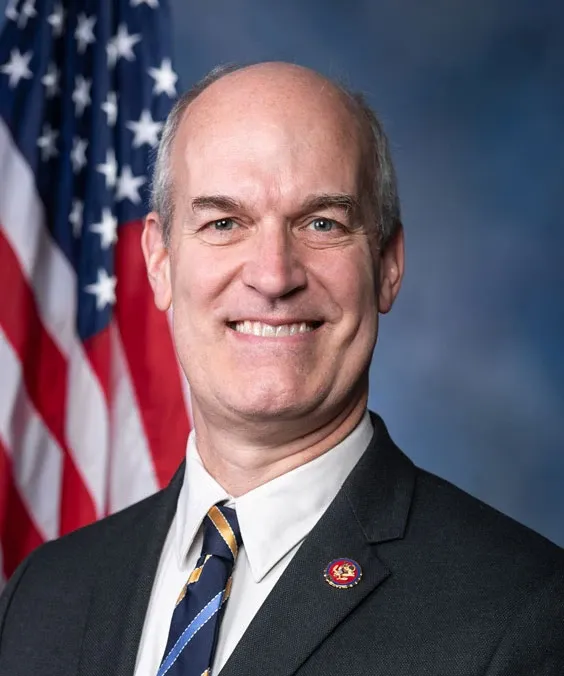
Suzan Kay DelBene is an American politician serving as the U.S. Representative for Washington's 1st congressional district since 2012. A member of the Democratic Party, she has focused on issues such as technology, healthcare, and economic development during her tenure. DelBene has been an advocate for policies that support innovation and job creation, and she has worked on legislation aimed at improving access to healthcare and addressing the needs of her constituents in Washington state.
I want to follow up a little bit on the Electronics Communications Privacy Act conversation here.
In our State we have seen strong results strong results from these programs.
SNAP doesn't discourage work. If anything, we have learned that the benefits aren't adequate enough.
I introduced a bill last Congress that was the basis for $200 million in new SNAP E&T pilot programs in the farm bill.
In recent years, the way the average consumer thinks about food has undergone a remarkable cultural transformation.
Recently, NRCS announced that Washington State has been allocated $750,000 for the ACEP-ALE (Agricultural Conservation Easement Program--Agricultural Land Easements) 2015 grant cycle.
In many areas of the law, the digital age has created new complexities and definitely at times illogical results where the law hasn't kept up with the pace of technology or the ways we purchase or live and do business.
This issue is far too complex for talking points. And this issue demands our thoughtful and methodical attention.
I do want to caution, though, about any of us reaching any conclusions from a single hearing.
I believe Members of the Subcommittee would have been better served by first hearing from those on the ground and in the field.
The Innovation Act requires the plaintiff in a patent suit to provide detailed information about all interests in a patent.
I want to thank Chairman Davis for his leadership of the Subcommittee, and want to especially thank him for reaching out very early in this Congress to discuss our mutual priorities, and how we can work together.
This is the first Subcommittee hearing that we have held in this Congress, and it also means it is my first hearing as the Subcommittee Ranking Member.
This is an incredibly important issue to make sure we do everything possible to maintain an Open Internet.
Thank you, Mr. Chairman. I appreciate you holding this hearing, and I want to thank all of the witnesses for being here today.
I agree with my colleagues who testified earlier and believe that our democracy is much stronger when we leverage technology that we have available to increase the public's participation in this process.
We need citizens to be engaged and informed, and part of that means making sure that they have access to their Government.
Washington's BFET Program has proven to be very successful at helping low-income individuals get jobs.
But it is not. In a perishable case, without defining what quickly means, that product is gone. That farmer who, if found not guilty, now has lost their product unfairly, and that can't be returned to them.
But you understand that every day for a perishable product like a berry, is prevented from going to market its marketability declines, in the end even while a court may find that they are not guilty of the infraction?
The fundamental part here is that you have created a situation where a grower may have only a few days to go to court, win a judgement, and make their crop available in the market for them to meet the asking price without suffering a loss…
Politicians like Suzan DelBene