May 5, 2010
Oftentimes, those things work better for large communities with really complex transportation challenges.
The Public Record
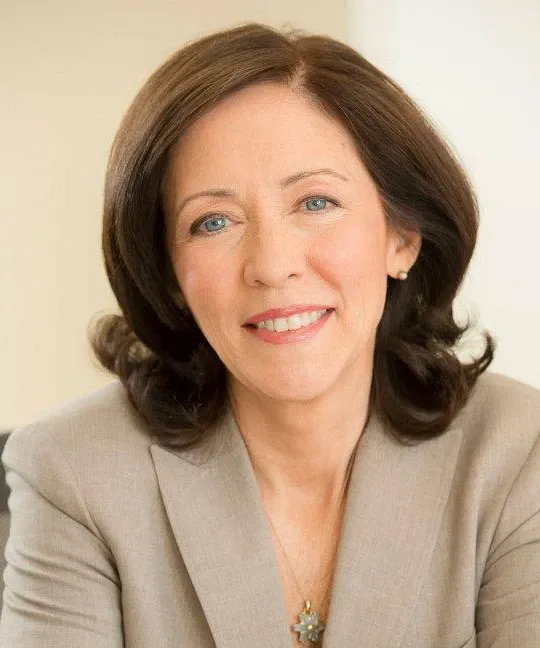
Patty Lynn Murray is a United States Senator from Washington, serving since 1993. A member of the Democratic Party, she has held various leadership positions in the Senate, including serving as the Senate's first female President pro tempore. Throughout her tenure, Murray has focused on issues such as education, healthcare, and women's rights, advocating for policies that support working families and promote economic growth.
Oftentimes, those things work better for large communities with really complex transportation challenges.
We are hoping with the President coming later this month that we can have a resolution of this and move on.
Importantly, they recognize that the health of their communities depends on taking a comprehensive approach to those challenges.
Well, following on that, what changes would you expect to see from a community after it has developed this integrated plan?
I want to thank both of you for your work on this issue and for being here today and look forward to working with you in the coming months and years.
Last year, the administration launched the Interagency Partnership for Sustainable Communities.
This hearing provides us a very important opportunity for us to hear how these Departments are working together.
The idea of a sustainable or livable community sometimes doesn't resonate in some of our smaller or rural communities.
We know that many people want to retire in the communities where they have raised their children.
In last year's funding we provided to HUD for the Sustainable Communities Initiative, the administration has worked to clarify the roles that each agency is going to play in this partnership.
I was really happy to see your announcement in January that the Department is now going to consider other important factors in addition to cost effectiveness when it is evaluating new transit projects.
It is unacceptable for veterans with TBI, whether it is blatant or unreported, to go undiagnosed.
Are we doing anything in the interim to address the concerns about the screening tool that is currently being used? Or are we just waiting for a study?
Clearly, we all know that we have to get this approach to treating patients with TBI right.
I am very concerned that the VA is underestimating the number of patients who are going to seek VA health care.
I appreciate that. I assume the treatment is different depending on whether you have TBI or PTSD or both.
I admire the continuing commitment and the bi-partisan effort to make the necessary changes that will provide the best possible services for our veterans.
That's a lot of money, especially when we're asking them to also do positive train control.
the management team now has a strategic vision and has started to look at long-term planning.
we all need to have a concrete plan, not just for an appropriation here or there, but for how we're going to do this, long into the future.
I know families in my home State of Washington deeply value our Amtrak service.
In fiscal year 2010, Amtrak committed to spending $144 million on station improvements to bring the rail system into compliance with the ADA.
Politicians like Patty Murray