May 11, 2010
The President's budget for this year, 2011, doesn't include any investments in military construction at Fairchild Air Force Base.
The Public Record
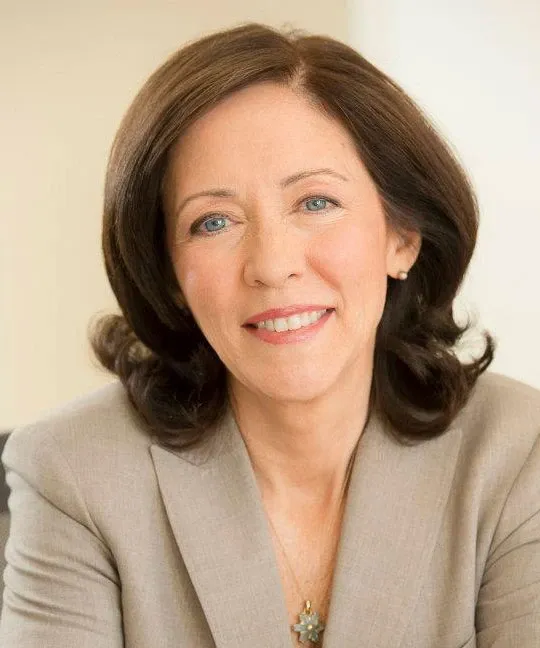
Patty Lynn Murray is a United States Senator from Washington, serving since 1993. A member of the Democratic Party, she has held various leadership positions in the Senate, including serving as the Senate's first female President pro tempore. Throughout her tenure, Murray has focused on issues such as education, healthcare, and women's rights, advocating for policies that support working families and promote economic growth.
The President's budget for this year, 2011, doesn't include any investments in military construction at Fairchild Air Force Base.
It's really important that the Air Force has enough time to make a full and fair assessment of the bids that come in.
It's extremely important that we begin to look at long-term planning to make sure that we maintain our aerospace industry in this country.
I continue to be very troubled that DOD is awarding this contract--it's taxpayer funded, $35 billion competition.
There are a lot of facilities at Fairchild that are in need of upgrades, and some aren't even sufficient to meet the needs of a 21st century Air Force.
We're going to leave the committee record open for the next 7 days for all committee members to be able to add their statements and to ask questions of all of our witnesses.
The Nation needs what has been started in Minnesota and a number of other States.
I remember doing that with my dad many times. Reaching into a car and trying to get him into a wheelchair was extremely difficult.
One of the challenges we're hearing about is the training of the nurses with the use of all that kind of equipment.
If we implemented a national lifting standard, what kind of reduction in injury rates to nurses and healthcare providers would we see?
It seems to me that we should be doing everything we can to keep the nurses we have safe, healthy and on the job, as a bare minimum.
I feel very strongly that our Washington State farmers and our families should not be punished for a diplomatic dispute they had nothing to do with.
I want to thank both of you for your work on this issue and for being here today and look forward to working with you in the coming months and years.
I am told there is a list available somewhere in the administration of the barriers that exist.
So I am assuming that one of the things you are looking at in proposals is, at the end of the day, does that community envision having lower costs as a result of their planning?
I was really happy to see your announcement in January that the Department is now going to consider other important factors in addition to cost effectiveness when it is evaluating new transit projects.
In last year's funding we provided to HUD for the Sustainable Communities Initiative, the administration has worked to clarify the roles that each agency is going to play in this partnership.
We know that many people want to retire in the communities where they have raised their children.
The idea of a sustainable or livable community sometimes doesn't resonate in some of our smaller or rural communities.
Elected officials sit on the boards of MPOs, but they are still different organizations than the State or local governments.
I am glad to see you as well. Sorry for the pause and I appreciate both of you waiting for us.
Last year, the administration launched the Interagency Partnership for Sustainable Communities.
Well, following on that, what changes would you expect to see from a community after it has developed this integrated plan?
Cities across the country like Bellevue in my home State have already developed projects like the Bel-Red Road
Politicians like Patty Murray