Jun 15, 2010
But I just heard you say in your opening remarks that the President would veto any appropriations with the C-17 funding.
The Public Record
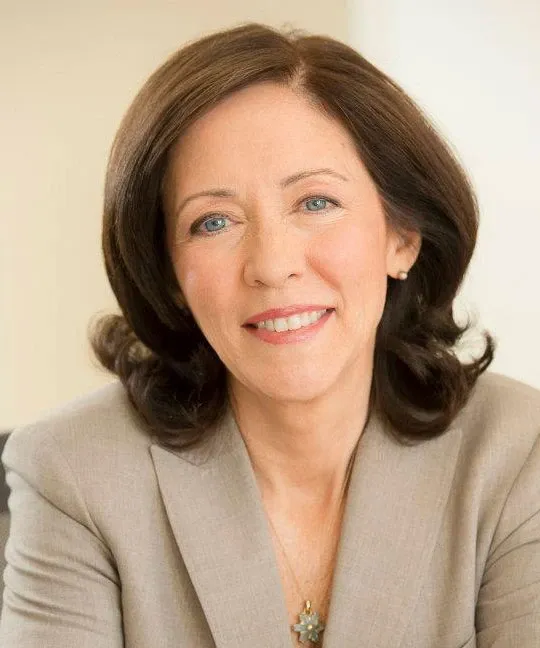
Patty Lynn Murray is a United States Senator from Washington, serving since 1993. A member of the Democratic Party, she has held various leadership positions in the Senate, including serving as the Senate's first female President pro tempore. Throughout her tenure, Murray has focused on issues such as education, healthcare, and women's rights, advocating for policies that support working families and promote economic growth.
But I just heard you say in your opening remarks that the President would veto any appropriations with the C-17 funding.
It is critical for veterans in these communities that we get these up and running as soon as possible.
I think one of the major important initiatives of the Office of Rural Health is to really determine--to move that away from being case by case.
I have been working with the VA, as you know, to open new contract clinics in three of our underserved communities in my State, Omak, Republic, and Colville, so that those local veterans can get easier access.
I am really concerned about the impact of that potential change on services like laboratory or dialysis providers.
Despite the efforts the VA has made to increase access to rural veterans... there are a lot of gaps still with our rural veterans.
The fiscal year 2011 budget includes $250 million to improve access to care in rural areas.
I have heard stories of veterans, as I said in my opening remarks, traveling for hours for routine care, and I hear a lot about dental appointments, as well, for folks.
A change this large I think ought to be phased in so we can have a smooth transition process.
I want to thank our witnesses, all of them who are here today, as well. I look forward to hearing your testimony.
I just want to make sure we're not pressuring people to stay on the job when they should be taking----
I think it's very important that the people who are regulating the facilities understand the facilities and be able to talk to the people in like ways.
It's hard to do when BP won't come to the table and be a part of the discussion.
I would suggest that the rest of the industry actively tell BP how it feels to be sitting there.
The families of the 11 workers who lost their lives deserve to have factual information.
What can OSHA do right now to make sure that executives and managers fix those serious safety violations company-wide?
I know it's a community that very much supports the refinery; it is the lifeblood of that community.
Let's be clear. Despite what anyone tries to say, this is not a safe industry.
So, is it safe to say that workers are going to work in unsafe conditions, simply because something's being contested and somebody's deciding, somewhere?
Politicians like Patty Murray