Jun 14, 2011
We, as a country, are going to be taking care of them, and their families, not just today, not just when they return home, for but a lifetime.
The Public Record
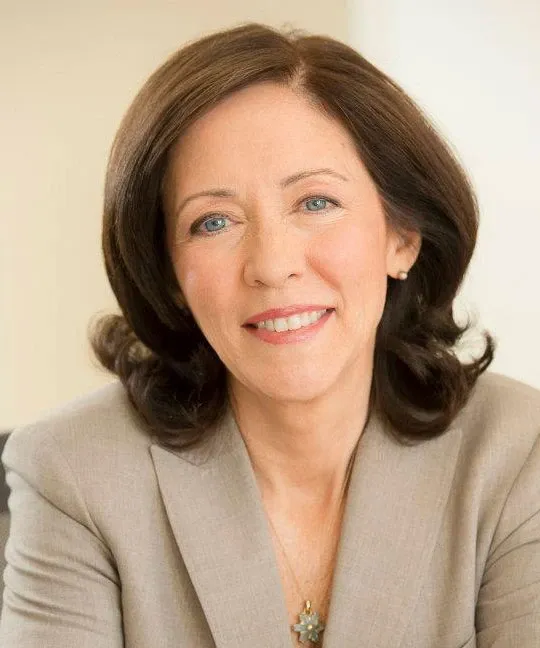
Patty Lynn Murray is a United States Senator from Washington, serving since 1993. A member of the Democratic Party, she has held various leadership positions in the Senate, including serving as the Senate's first female President pro tempore. Throughout her tenure, Murray has focused on issues such as education, healthcare, and women's rights, advocating for policies that support working families and promote economic growth.
We, as a country, are going to be taking care of them, and their families, not just today, not just when they return home, for but a lifetime.
The President has made it clear that he intends to withdraw troops from Afghanistan in the coming months, and while I am a supporter of this drawdown, I am concerned with the security situation on the ground for our remaining forces.
Because we're about to make some of the same mistakes we made after the Vietnam war.
The relationship that the Pentagon has with the Veterans Administration (VA) and with communities throughout the country has got to get stronger.
I do think we have to really seriously be considering this, because it does impact our troops today.
I take this issue very seriously, and I've been trying to draw attention to some of the all too often unseen costs of war.
If we do this nationwide we are going to see costs reduced in special education and remediation.
I believe that these kinds of investments really are some of the most important that we can make.
I believe I am the only person in the Congress that is a former preschool teacher.
I am going to continue to make sure that this Committee does all it can to ensure that our veterans receive the benefits and services they have earned through their service to this Nation.
We have a responsibility to protect our veterans and to protect our employees.
For too long we have been investing billions of dollars in training our young men and women to protect our Nation, only to ignore them when they come home.
Our hands-off approach has left us now with an unemployment rate in February of over 27 percent among young veterans coming home from Iraq and Afghanistan.
This legislation will help us rethink the way we support our servicemembers as they return home and search for living-wage jobs.
The number of servicemembers and new veterans we have lost to suicide is now on par with the number of those who have been killed in combat.
If this Committee is not told that we need more resources or that there are people falling through the cracks, we do not know enough to ask for it.
I am really disappointed that somebody has objected to Committee hearings going because this is really important.
We need to take a serious look at what personal toll the delays and uncertainties of the IDES process is taking on our wounded servicemembers.
I look forward to hearing about how this coordinated effort to improve quality, access, and effectiveness helps improve the lives of our Nation's warriors and their families.
I still believe this is an example of an idea that looks great on paper, but has to live up to its potential.
It has been 4 years since the scandal surrounding Walter Reed brought this lack of cooperation to light.
Politicians like Patty Murray