Mar 13, 2012
The Northwest is really struggling last spring with too much hydro and wind generation.
The Public Record
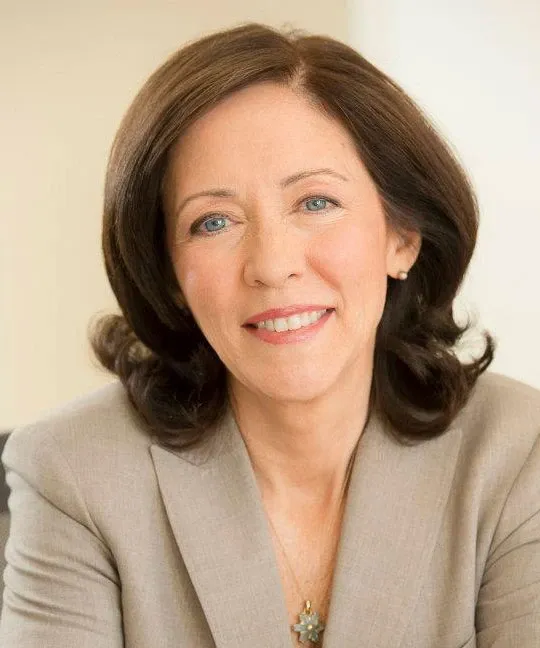
Patty Lynn Murray is a United States Senator from Washington, serving since 1993. A member of the Democratic Party, she has held various leadership positions in the Senate, including serving as the Senate's first female President pro tempore. Throughout her tenure, Murray has focused on issues such as education, healthcare, and women's rights, advocating for policies that support working families and promote economic growth.
The Northwest is really struggling last spring with too much hydro and wind generation.
We need some recommendations. We need to move forward. We need this to be a top priority at the Pentagon.
We still today have not gotten this right after this war in making sure that they transition back home.
You can't imagine what it's like to talk to a soldier who was told he had PTSD.
This is complex. It's hard. It's problematic, but it needs every single effort from top to bottom.
Enrollment is continuing to climb. The number of servicemembers' cases meeting timeliness goals is unacceptably low.
I, too, am very alarmed by the suicide rate among our servicemembers and our veterans.
We've got to get this right, and we got to get it right now, and we need every effort at it.
We need to go back and find every soldier that may have not gotten the proper diagnosis and evaluation.
I wanted to ask you what specific measures do you look at to evaluate whether soldiers are receiving the proper diagnosis, and care, and honest evaluation.
I am really concerned that soldiers Army-wide have been improperly diagnosed and treated by the Army.
I have asked my Veterans Affairs Committee staff to begin reviewing cases from throughout the country of servicemembers involved in this process.
I continue to have a number of concerns, not only about the situation at Madigan today but the implication for our soldiers.
This is a serious issue. I've sat and talked with numerous soldiers and families who were diagnosed with PTSD, were getting care, and then as they went through the MEB process, were told they didn't have PTSD.
What it says is that more than 4 in 10 of our servicemembers... had it taken away by that unit.
Today, unfortunately, we are seeing more information on the extent of those problems.
If a soldier is afraid to reach out, if they feel that their professional military career will be hurt, we're trying to do everything we can to destigmatize that
And can you tell me, is this an isolated incident, or are there other Army medical centers that are changing the PTSD diagnosis at this rate?
No one should be denying any servicemember care purely because of a question of cost.
Politicians like Patty Murray