Aug 14, 2016
Thank you for your work on the Quadrennial Energy Review--the plan for our energy infrastructure and where we are as a nation.
The Public Record
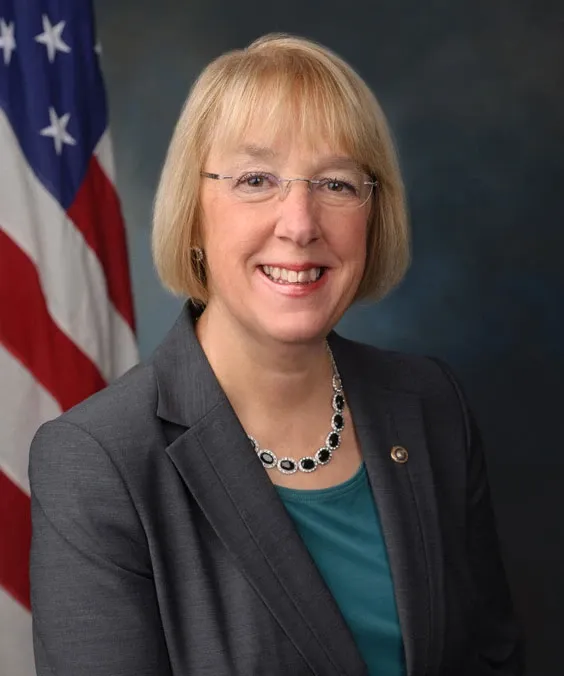
Maria Ellen Cantwell is a United States Senator from Washington, serving since January 3, 2001. A member of the Democratic Party, she has been actively involved in various legislative efforts, particularly focusing on technology, environmental issues, and healthcare. Throughout her tenure, Cantwell has worked on policies aimed at promoting clean energy and protecting the environment, as well as advocating for affordable healthcare access for all Americans.
Thank you for your work on the Quadrennial Energy Review--the plan for our energy infrastructure and where we are as a nation.
Cities like Vancouver, Spokane and Seattle are very concerned about the safety of these oil trains.
We also know that these changes can produce greater stress on our energy transportation infrastructure.
The United States is experiencing a very dramatic transformation in how we produce and transport energy.
We are very proud of our history of innovation in the Northwest and the energy mix of our electricity grid.
We were here last year to discuss issues with Senator Barrasso related to the fire season and some great work came out of that hearing.
I want to thank Secretary Moniz for traveling to the Pacific Northwest to be part of this historic field hearing.
I think what we are all dancing around here on the back and forth is that, even if we want to move to value-based payment systems because that is a better way to deliver health care--it is proven--then what do we need to do to make sure…
You probably will not find a bigger supporter of changing to a value-based way of paying for health care than myself.
The whole point of the export credit agency is to give U.S. manufacturers the credit. My point is that these products are agriculture based. If the Senator from North Dakota could explain, these aren't agricultural manufacturing products…
I am wondering if my colleague from New Jersey is aware of this point, which I find most interesting and am trying to understand. He has been talking about this control board and all the power they are going to have. Do you understand that…
If the Federal Government is going to be spending between $2 and $3 billion a year on fighting fires because of the increasing risk, we need to do something to reduce the risk and I think this is a suggestion worth considering.
But I think this is a better path forward than the route we have been going: in the aftermath of a fire trying to decide what to do with salvaged logs.
I believe we must effectively address the root cause of the problems with fire risk and fire budgeting.
Scientists are telling us that these seasons, these fire seasons, are both longer and hotter.
I think this is a culmination this morning of a lot of hard work on this discussion draft, more than two years.
We believe in an outdoor recreation economy in the State of Washington and it has provided great dividends.
I thank you for holding this hearing and for including three bills that concern the State of Washington.
How do you think we make this transition, because I am assuming the companies that invested in these pipelines need to recoup their investments.
I don't want to have the same discussion about natural gas, because I would actually like to see natural gas.
Politicians like Maria Cantwell