Mar 5, 2014
But I think we all agree that we need to reduce it significantly to prevent another disaster like we witnessed in Lac-Megantic or Casselton, North Dakota.
The Public Record
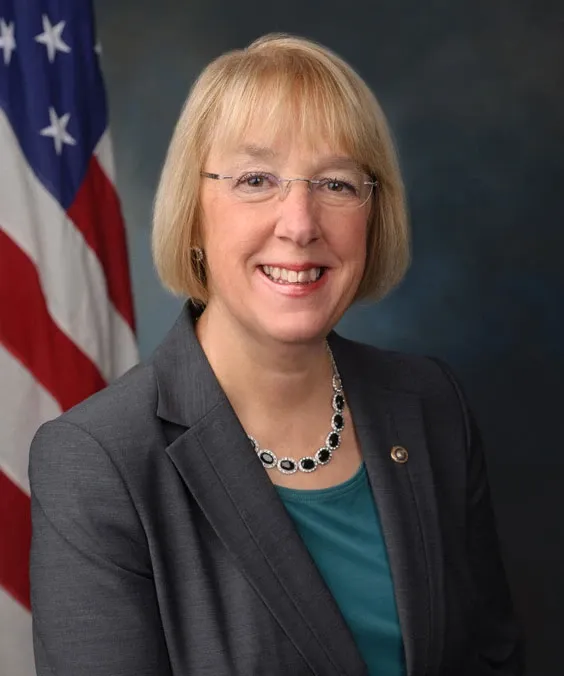
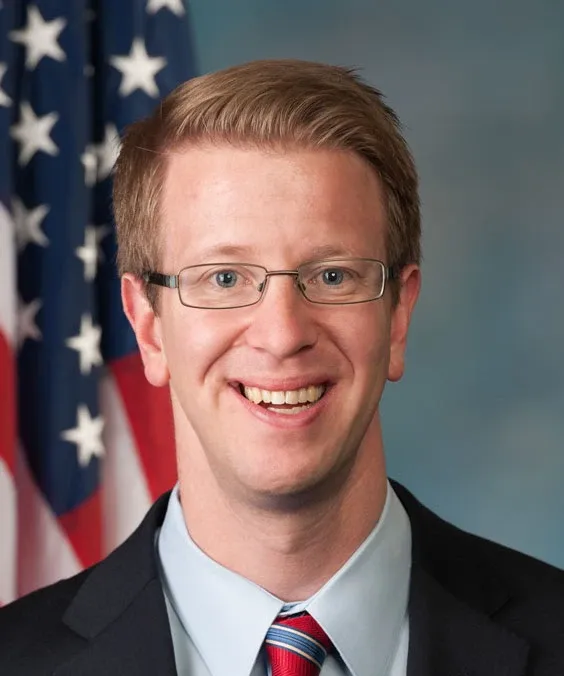
Maria Ellen Cantwell is a United States Senator from Washington, serving since January 3, 2001. A member of the Democratic Party, she has been actively involved in various legislative efforts, particularly focusing on technology, environmental issues, and healthcare. Throughout her tenure, Cantwell has worked on policies aimed at promoting clean energy and protecting the environment, as well as advocating for affordable healthcare access for all Americans.
But I think we all agree that we need to reduce it significantly to prevent another disaster like we witnessed in Lac-Megantic or Casselton, North Dakota.
I think we have to mandate the security that needs to be there because these population centers are just, you know--I don't know what our cities in jurisdictions are going to--they might decide to ban this altogether.
I think we are all in agreement that the voluntary crude-by-rail operating agreement is a step in the right direction.
We want what is the amount of money that is needed for stock assessment, and what level can we fund, and what are the economic impacts of that.
I think you and I, as you said, could probably be here all day with a whole variety of questions because this is important to both of our states and the interconnectedness of it all is practically obvious to us every day.
There's an opportunity for FDA to be much more active in enforcing existing laws with regard to labeling of seafood.
So my question is, you know, does NOAA have what it needs to understand the impacts to the seafood industry of ocean acidification?
I think new Magnuson Reauthorization has the opportunity to help us become more efficient to continue to get new levels of fishermen into the business.
I think good fisheries management is about having the modernization of equipment, as well.
So to me, when I think about how we're managing these fisheries, if you don't do the stock assessments then you can't come up with a management plan.
I feel like we have such a great product here in the Northwest. You know, you go to the store and you don't know what you're eating.
This maritime economy from my state is a 60, well, it's a $30 billion industry and supports almost 60,000 jobs.
One of the best tools that they have is to rationalize fisheries. And what we found is once the fisheries rationalize it becomes dramatically safer.
I think it is an important program, and the tools in it support small business expansion in the international economies.
I understand the importance of the product and if I am confirmed, I would be delighted to work with you and explore ways in which we can continue to fill that important gap.
While VAWA was a step forward for all of the tribes in Indian Country, there is still a lot more work to be done to bring in parity.
This pilot project will allow a few tribes on an accelerated basis to begin exercising tribal jurisdiction over certain domestic violence crimes on reservations.
The STEP program in my state has been beneficial from many technology aspects.
I am a huge believer in where we are right now in the context of an information age and a lot of products and services, but you have to add capital.
We certainly want to see us use these promotions to help meet the agenda that the administration has on doubling the number of exports out of the United States.
I look very much forward to working with Senator Tester, and as a member of this Committee I plan to continue to be active.
I would also recognize the amazing work that tribes are already doing to reduce crime and making their communities safer.
Politicians like Maria Cantwell