Nov 1, 2011
It is critically important that we make smart choices in this difficult budget environment.
The Public Record
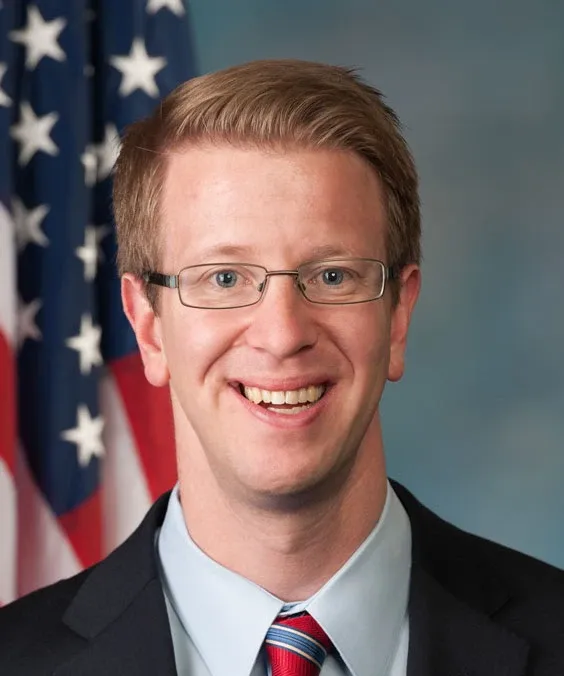
Adam Smith is a U.S. Representative for Washington's 9th congressional district, serving since 1997. A member of the Democratic Party, he has focused on various legislative efforts, particularly in defense and foreign policy. Throughout his tenure, Smith has been involved in key discussions and initiatives related to national security and military funding, reflecting his commitment to these issues. He has also been an advocate for progressive policies within his district and has worked on legislation addressing economic and social challenges faced by his constituents.
It is critically important that we make smart choices in this difficult budget environment.
How can we make sure the military is a good steward of the taxpayers' dollar, without increasing the risk to our Armed Forces?
I believe that we can rationally evaluate our national security strategy, our defense expenditures, and the current mission sets we ask the military to undertake and come up with a strategy that requires less funding.
It is also important that we address the revenue side of our budget problem. We must consider raising additional revenue.
There are certain things that the defense budget requires in terms of technological and business capabilities that, if we are not doing it, those capabilities go away.
You cannot look at a budget that is almost 40 percent out of whack in terms of our deficit and say that 20 percent of the budget has absolutely nothing to do with that.
I believe that increasing the amount of revenue that we have available is critical to this effort.
Sequestration would make that rational evaluation impossible, which is why it must be avoided.
If we're going to fix this problem in the long run and avoid sequestration in the short run, I believe that we must address this from both ends--spending will have to come down, and we're going to have to generate new revenues.
Like many, if not most, of our members here, I share the view that large, immediate cuts to the defense budget caused by sequestration would have dangerous impacts on the ability of the U.S. military to carry out their missions.
Politicians like Adam Smith