Jul 20, 2020
I also support en bloc package No. 2, urge a ``yes'' vote, and I yield back the balance of my time.
The Public Record
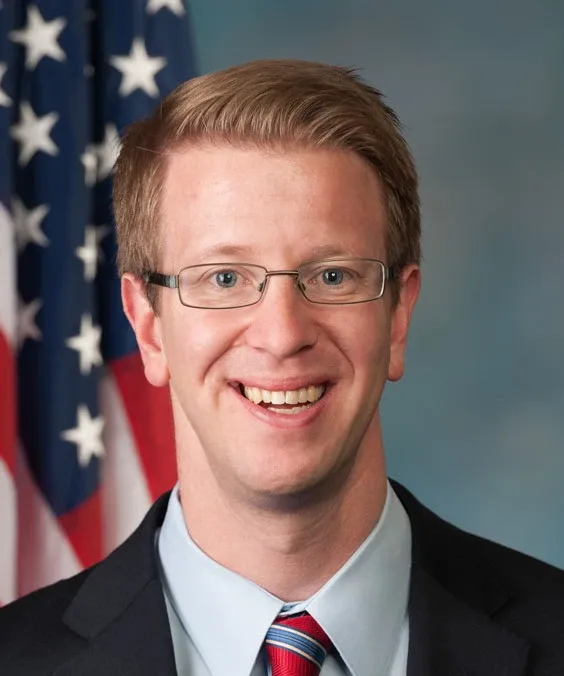
Adam Smith is a U.S. Representative for Washington's 9th congressional district, serving since 1997. A member of the Democratic Party, he has focused on various legislative efforts, particularly in defense and foreign policy. Throughout his tenure, Smith has been involved in key discussions and initiatives related to national security and military funding, reflecting his commitment to these issues. He has also been an advocate for progressive policies within his district and has worked on legislation addressing economic and social challenges faced by his constituents.
I also support en bloc package No. 2, urge a ``yes'' vote, and I yield back the balance of my time.
This amendment requires the Federal officers to identify themselves. That is the primary purpose of this amendment, not to limit the President. We see what is going on in Portland right now, which is deeply disturbing for people in the…
I am pleased to yield 1 minute to the gentlewoman from Minnesota (Ms. Craig).
This amendment allows us to continue doing what we are already doing to preserve and protect our nuclear deterrent. It simply says: You can't go setting off nuclear weapons again. It doesn't work. It doesn't help. And it is extraordinarily…
We are very concerned about how those priorities were set and the impact that it might have on the programs that were cut going forward.
It doesn't say anything in there about money for a southern border wall, and yet we are going to take the money out of our programs, put it in there, and then come back to us and say, oh, it is an unfunded requirement.
We just--you know, we want this money. We don't want to put it on the budget because we, you know, have budget caps to deal with, so we are going to call it emergency funding so it can be, you know, quote, off budget, unquote.
I worry about what that means in terms of what our actual plan is and our ability to execute it.
How do we figure out maybe to get more resources, how do we figure out to perhaps change what the strategy is to better match those resources
The challenge going forward, which we have talked about a lot in this committee is, as always happens with us, so you are consistently asked to do more than you have the resources to do
We are here this morning to hear the posture hearing on the Army's budget request for fiscal year 2021.
I am interested in--we have been talking about a 355-ship Navy I think for the entire time that I have been in Congress.
What do you need to do differently? Where are you short assets? Where can assets be transferred from?
We are specifically concerned--and I know Congressman Courtney will express these concerns better than I can--about some of the reductions in the shipbuilding accounts.
Hearing from you how you prioritize where you want the money spent is going to be enormously important.
We are going to go ahead and get started. We have a full committee hearing this morning to discuss the fiscal year 2021 national defense authorizing budget request for the Department of the Navy.
I am deeply concerned about the precedent being set by the Secretary's submission to the Administration's political agenda.
If our NATO allies cannot even rely on us to come through on a... MILCON project... how much can they rely on us?
I respect and appreciate that work. I look forward to continuing to work with you.
This effort to keep stealing money for the wall is really undermining the Department of Defense.
I think that is a violation of our constitutional responsibility and significantly undercuts the Department of Defense.
We are sending these contradictory messages. We are undercutting our efforts with our allies.
The Defense Department needs to invest boldly in new concepts of operations and the capabilities to carry them out.
I would argue that nuclear deterrence is likely to be more rather than less important.
Politicians like Adam Smith