Feb 28, 2012
Nevertheless, the new defense strategy appears to emphasize presence and engagement in Asia at the expense of other regions, including Africa.
The Public Record
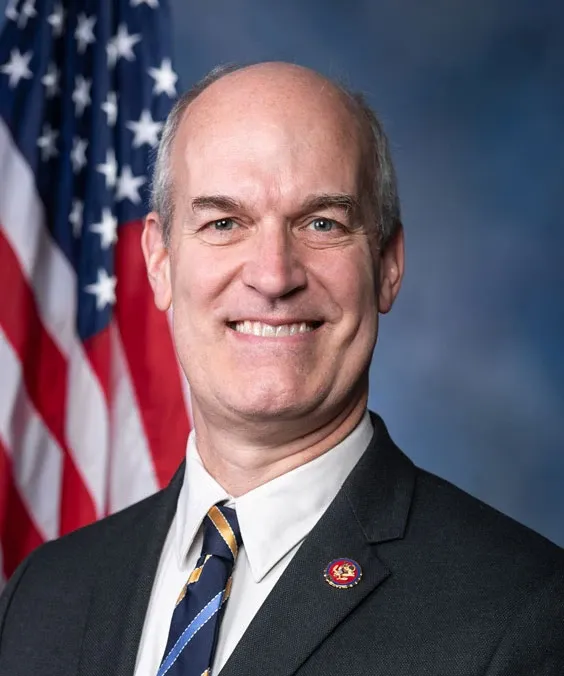
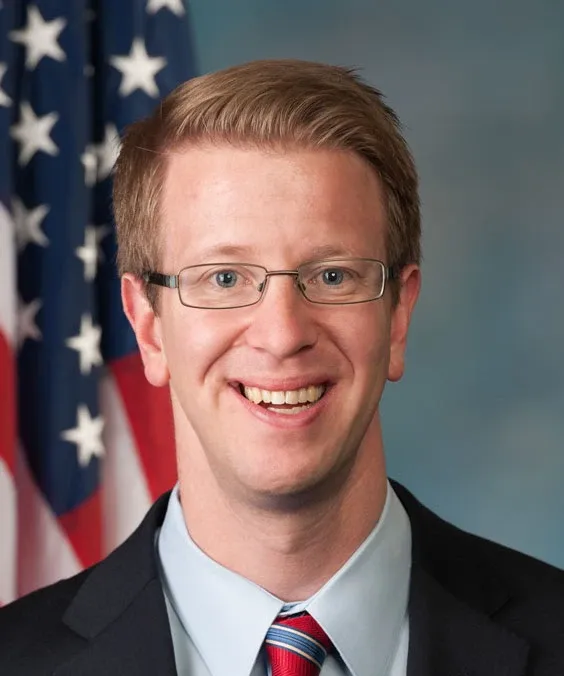
Adam Smith is a U.S. Representative for Washington's 9th congressional district, serving since 1997. A member of the Democratic Party, he has focused on various legislative efforts, particularly in defense and foreign policy. Throughout his tenure, Smith has been involved in key discussions and initiatives related to national security and military funding, reflecting his commitment to these issues. He has also been an advocate for progressive policies within his district and has worked on legislation addressing economic and social challenges faced by his constituents.
Nevertheless, the new defense strategy appears to emphasize presence and engagement in Asia at the expense of other regions, including Africa.
I think we have all learned the limitations of major full-scale occupations and full-scale ground wars in place like this.
I think that is an important model going forward for the threats we face and how to confront them.
The increasing coordination between Al Qaeda and al-Shabaab is a dangerous development and a reminder of the threat posed by radicalism, terrorism, and ungoverned spaces.
If Members are upset about the amount of money being spent somewhere, then tell us where we can find it.
This strategic review appropriately places a renewed focus on the critically important Asia-Pacific region, which will likely result in an enhanced role for the Air Force in our national defense.
I have consistently said that we can rationally evaluate our national security strategy, our defense expenditures, and the current set of missions we ask the military to undertake and come up with a strategy that enhances national security…
I believe it is important for the Air Force leadership to continue its public discussion to better ensure that Guard and Reserve personnel fully accept that they have received and will receive equitable and fair treatment in this…
The depth of denial in this country, not just in this town, about where the deficit is at, and what is going to be required to respond to it is unprecedented.
We need a comprehensive approach that looks at revenue, mandatory spending, and discretionary.
I think it is imperative that we avoid it for many of the reasons that have been stated.
Politicians like Adam Smith