Jul 31, 2012
The impacts of the uncertainty of whether or not sequestration is going to happen are having a definite impact on our economy.
The Public Record
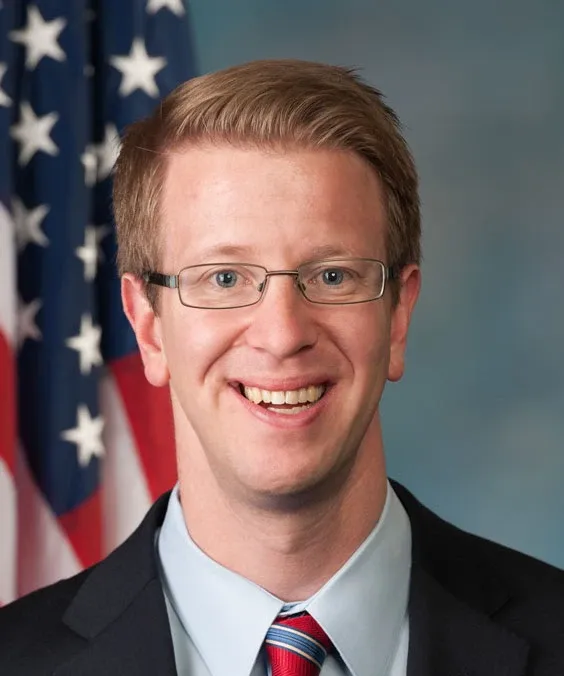
Adam Smith is a U.S. Representative for Washington's 9th congressional district, serving since 1997. A member of the Democratic Party, he has focused on various legislative efforts, particularly in defense and foreign policy. Throughout his tenure, Smith has been involved in key discussions and initiatives related to national security and military funding, reflecting his commitment to these issues. He has also been an advocate for progressive policies within his district and has worked on legislation addressing economic and social challenges faced by his constituents.
The impacts of the uncertainty of whether or not sequestration is going to happen are having a definite impact on our economy.
So let's be realistic about the choices we face and realistic about the fact that revenue has to be a piece of the equation.
I do agree with the chairman that it is time for all parties concerned to come together and try to find a solution to this very damaging problem.
But even if that's the foundation for the President's solution, let the Senate bring some version of it to a vote.
The Administration is aware of the fact that this is the law. And until we change it, it is potential.
We have a $1.2 trillion deficit, actually 1.3 last year, a 38-percent deficit, and it needs to be addressed.
Let me tell you, that attitude that you expressed right there is the number one biggest problem in solving the problem, is the notion that you have no responsibility in solving the problem.
Secretary Panetta, in particular, has been very forceful on explaining how awful sequestration will be.
Government spending matters. You can't just blindly cut it and assume that there is no problem.
We must ensure that our military remains the strongest in the world, regardless of budget constraints.
I completely agree with the chairman that sequestration is not a good idea. It would be bad for our economy, bad for defense.
Politicians like Adam Smith