Jul 25, 2023
I don't get it where you get a patent, let's say for 20 years and it goes on for 30 years or 35 years.
The Public Record
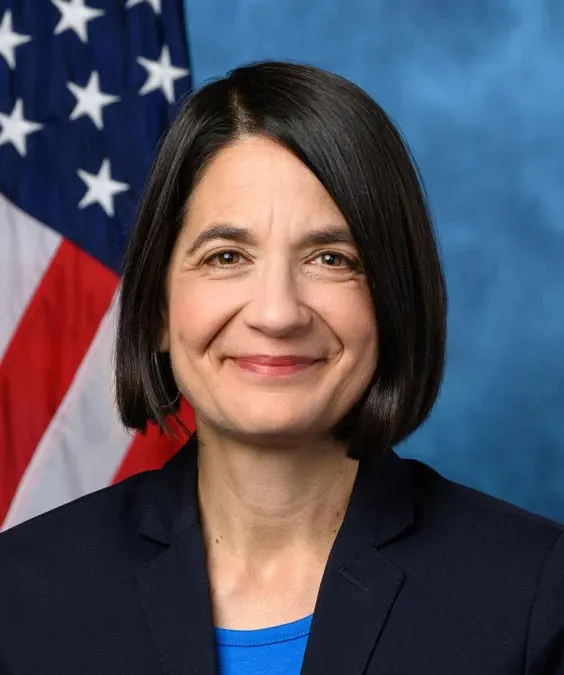
Peter Francis Welch is an American politician serving as the U.S. Representative for Vermont's at-large congressional district since 2007. A member of the Democratic Party, Welch has focused on issues such as healthcare, agriculture, and climate change during his tenure in Congress. He has been an advocate for policies aimed at supporting Vermont's farmers and addressing the challenges posed by rising healthcare costs.
I don't get it where you get a patent, let's say for 20 years and it goes on for 30 years or 35 years.
It is really important, your responsibility, to have patents issued timely, appropriately, for innovators.
There are no two stronger champions of the intellectual property rights of innovators and patent holders than the two leaders of this Committee, Senator Coons, Senator Tillis, and I support your efforts in that respect.
They have extended the patent all the way through 2023--it is now almost $3,200.
But what I have seen is, in particular in the drug industry, an abuse by patent holders of that period of exclusivity.
What is the ability and the commitment of the Patent Office to stop the extension of that period of exclusivity and monopoly power that has been so consistently abused by the drug companies to rip off American taxpayers, American…
As our country is facing these wild weather events, climate change, more severe and frequent storms, we have got to make sure that the water in our communities is safe and available.
We need to look at USDA as one of the ways to help our water systems understand how to do stuff in a proactive manner.
It is a real argument, I think, for resilience going forward, anticipating the scope of storms that we may have to contend with.
These well-functioning water systems, as you all know, are absolutely essential to rural communities, the health and the safety and the economy of rural communities.
These weather events, with climate change are getting more and more frequent, and it is more and more urgent that we try to make our systems resilient.
As our country is facing these wild weather events, climate change, more severe and frequent storms, we have got to make sure that the water in our communities is safe and available.
We have made it a major priority about broadband in rural America for this Committee to focus on
Do we need to make any changes to give USDA more flexibility to upgrade the resilience factors to accommodate the reality of the more extreme weather events that are occurring?
I want to thank you for having me here to speak to what I believe is, in my mind, the most important thing out there--water, safe drinking water.
We need to look at USDA as one of the ways to help our water systems understand how to do stuff in a proactive manner.
It is a real argument, I think, for resilience going forward, anticipating the scope of storms that we may have to contend with.
These well-functioning water systems, as you all know, are absolutely essential to rural communities, the health and the safety and the economy of rural communities.
It is a timely hearing because there is a lot of vulnerability in a lot of our water and septic systems, especially in rural America, all around the country.
These weather events, with climate change are getting more and more frequent, and it is more and more urgent that we try to make our systems resilient.
As our country is facing these wild weather events, climate change, more severe and frequent storms, we have got to make sure that the water in our communities is safe and available.
It is a timely hearing because there is a lot of vulnerability in a lot of our water and septic systems, especially in rural America.
Just to let you know, Senator Tuberville and I have made it a major priority about broadband in rural America for this Committee to focus on.
These weather events, with climate change are getting more and more frequent, and it is more and more urgent that we try to make our systems resilient.
Politicians like Peter Welch