Nov 13, 2013
We are hearing anecdotal stories about wait times that I think are detrimental to the economic back and forth between Canada and Vermont.
The Public Record
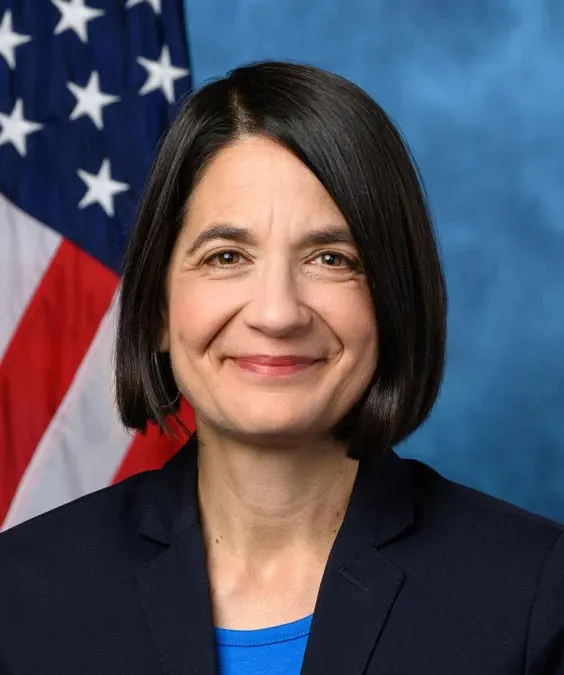
Peter Francis Welch is an American politician serving as the U.S. Representative for Vermont's at-large congressional district since 2007. A member of the Democratic Party, Welch has focused on issues such as healthcare, agriculture, and climate change during his tenure in Congress. He has been an advocate for policies aimed at supporting Vermont's farmers and addressing the challenges posed by rising healthcare costs.
We are hearing anecdotal stories about wait times that I think are detrimental to the economic back and forth between Canada and Vermont.
This is an unbelievable rip-off, obviously, and it is incredibly detrimental to large businesses and to small non-profits.
The Web site must be fixed, you've been very forthright, and you're going to fix it.
It's not about whether we should take away the right of our kids up to age 26 to be on health care.
If it is not ubiquitous it doesn't really work the way we want it to work; and last but not least is the States' responsibility
What policy decisions would change carrier incentives to invest in rural areas and are there regulations that are imposing unnecessary costs that are hindering any of that investment?
The thing I hear from Vermonters, they are really getting squeezed on the cost of cable and satellite.
But my concern, too, is that we have got to look out for the consumers. It is really getting out of hand.
The comments are about the fact that the technology has so outpaced the regulation or the law.
Afghanistan is now, after 11 years, ripping us off as we try to bring our material home. Does anybody on the either side of the aisle support this? Why don't we have a debate? I admire Speaker Boehner for saying he wants to have this House…
I thank the gentleman. This is not a farm bill. This is a leadership-designed train wreck. We had a farm bill. It was bipartisan. It saved money. It provided farmers with more security. It provided conservation and a way forward. Instead…
It is having a real impact on food prices and certainly really wicked on these dairy farmers that are hanging on by their fingernails.
I have come to the conclusion that corn ethanol is bad for the--it is a bad environmental policy, bad energy policy, bad food policy.
So does that mean that if you have--the RFS standard requires more corn, obviously, to be going into the ethanol production, and that means less corn going into feed.
So, you know, you are implementing it. But I just do have a few questions about it.
I thank the gentlelady. This amendment is not on the level. It uses a word that is important to all of us: work. Of course people want to work, but there is no money for a work program. There is an obligation on the person who has no…
That's outrageous. You know, if there's problems, let's deal with them in a direct and straightforward way.
The consumers just don't have any power to affect the outcome, but they are feeling the pressure of these high bills.
The kind of elephant in the room that has been alluded to, but not directly addressed, is the Cable Act of 1992.
Politicians like Peter Welch