Mar 12, 2014
It is long past time for the Administration and the Cuban Government to negotiate a resolution of this ordeal so Mr. Gross can return home.
The Public Record
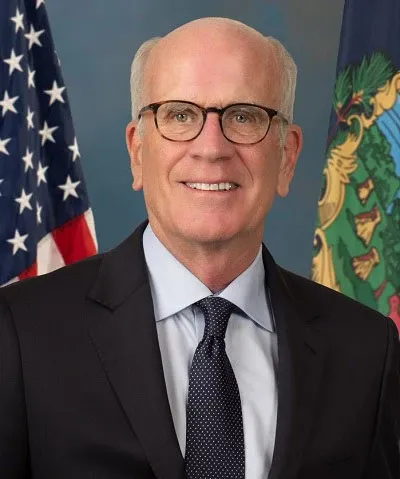
Patrick Leahy is a former United States Senator from Vermont, serving from 1975 until 2023. A member of the Democratic Party, he was the longest-serving senator in Vermont's history and held significant leadership roles, including President pro tempore of the Senate. Throughout his tenure, Leahy was known for his work on issues such as civil liberties, health care, and environmental protection. He played a key role in various legislative efforts, including the Violence Against Women Act and initiatives to reform the criminal justice system.
It is long past time for the Administration and the Cuban Government to negotiate a resolution of this ordeal so Mr. Gross can return home.
I am optimistic about USAID Forward and its focus on country ownership, and eventually working yourselves, USAID, out of a job.
Right now, we don't need a Democratic foreign policy or a Republican foreign policy. We need an American foreign policy that is rooted in our values and the example we set and which we can credibly ask others to follow.
The American people have all but forgotten about Afghanistan and Iraq, two enormously costly military ventures that went terribly awry.
We were lobbied, Congress was, to show how tough we were in our support of Israel by withdrawing payments to UNESCO.
If there is a peace agreement to end the conflict in Colombia--and I support what President Santos is doing at some political risk to himself;
He has been a strong defender of the national interests that the budget protects.
The new Government of Ukraine has made it very clear that they want closer ties with Europe.
Suppose the people of Crimea vote to leave Ukraine. The Russian parliament, which will do whatever President Putin tells it to, votes to annex Crimea, how do the U.S. and Europe, our allies, respond at that point?
Obviously, today we are focused on Russia's invasion of Ukraine, and there will be questions about that.
It was a huge, huge blow to the United States, the fact that the other body did not go along with us on this.
I would like to think that after fighting two long, inconclusive wars the Secretary's diplomatic efforts in the Middle East and with Iran would have strong bipartisan support.
Like in any diplomacy, you have to go down a lot of dead ends before you hit the right one.
I think the most important thing is we continue the negotiations, and I do not think the Congress, whether responding to various lobbies or not, is a place to conduct a negotiation.
We were lobbied, Congress was, to say that the Palestinians... we lost our vote in UNESCO.
Senator Graham and I joined together to get this through the Senate, and we got it through the Senate with a bipartisan majority.
I think all of us hope we can get agreement on a bill that the President can sign, so we just don't have speeches on the floors of both bodies, but no piece of legislation at the end.
We need an American foreign policy that is rooted in our values and the example we set and which we can credibly ask others to follow.
I am extremely impressed and proud about the way he has embraced what is, especially these days, one of the most difficult jobs in the world.
He travels around the world to see how our programs are working or not working.
I firmly believe that this budget strikes a balance between the need to sustain long-term investments in American leadership and the political imperative to tighten our belts.
The world today looks more dangerous to many of us than it did during the Cold War.
Politicians like Patrick Leahy