Mar 21, 2017
A failing infrastructure undermines our national security by weakening economic growth and creating vulnerabilities in our bridges, our water systems, and our electrical grid.
The Public Record
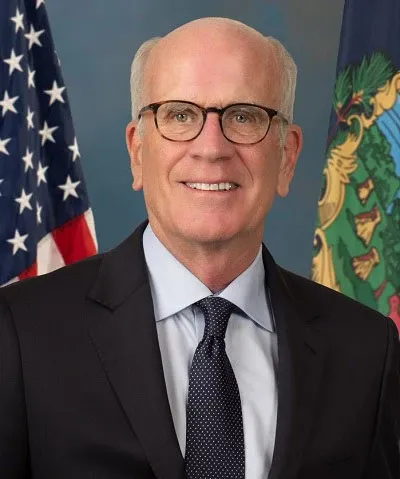
Patrick Leahy is a former United States Senator from Vermont, serving from 1975 until 2023. A member of the Democratic Party, he was the longest-serving senator in Vermont's history and held significant leadership roles, including President pro tempore of the Senate. Throughout his tenure, Leahy was known for his work on issues such as civil liberties, health care, and environmental protection. He played a key role in various legislative efforts, including the Violence Against Women Act and initiatives to reform the criminal justice system.
A failing infrastructure undermines our national security by weakening economic growth and creating vulnerabilities in our bridges, our water systems, and our electrical grid.
The contributions of our National Guard are critical to the nation's defense both at home, and abroad.
State-sponsored information warfare is a serious concern for our national security, as well as that of our NATO Allies.
Sequestration has produced terrible consequences for the average American as well--our infrastructure is failing, investment in job training and employment are down, and education funding lags behind.
Well, it was a great expansion of Executive power that many of us questioned.
If you guarantee all that, you guarantee diversity. If you guarantee diversity, you guarantee a democracy.
I think it is kind of easy. The clause prohibits receipt of any emolument without the consent of the Congress.
I believe that ultimately we are a country of laws, and we should follow them.
The Federal recusal standards apply to both Supreme Court Justices and other judges.
If he had a case before the U.S. Supreme Court, would not the facts be the same?
It was not two nominees. It was three. The third one was not heard because for the first time in the history of the United States, the Senate refused to hold a hearing.
I think the record should show President Obama nominated three Supreme Court Justices, one of whom was Merrick Garland.
Nobody is above the law in this country, and that includes the President of the United States.
Well then, let me ask you this. Does the President have the right to authorize torture if it violates the laws that have been passed by Congress and any other ones you cited?
The United States must not bar individuals from entering into the United States based on their religion.
If somebody were to out and out buy a vote or buy a favor, we would all agree that is corruption, is it not?
I think Citizens United made clear that quid pro quo corruption remains a vital concern and is subject for potential legislation.
Shouldn't Congress, not the courts, make the determination about the potential for corruption, especially if we are talking about quid pro quos?
But nothing in the Federalist Papers that talked about corporate money going into campaigns. Is that correct?
You said judges should, I quote, 'should strive to apply the law as it is, focusing backward, not forward.'
Politicians like Patrick Leahy