Jan 29, 2018
A preventive war without the full support of our Asian allies would do lasting damage to trust in America, not just in Asia, but globally.
The Public Record
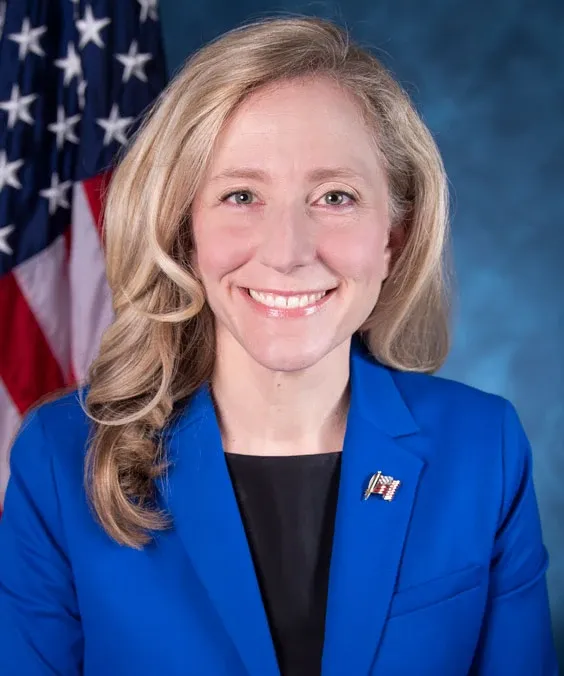
Tim Kaine is a United States Senator from Virginia, serving since January 3, 2013. A member of the Democratic Party, he previously held the position of Governor of Virginia from January 14, 2006, to January 16, 2010. Kaine has been an advocate for various issues including education, healthcare, and military engagement, emphasizing the importance of Congress's role in declaring war and authorizing military force. He also served as the Chair of the Democratic National Committee, contributing to the party's strategy and outreach efforts during his tenure.
A preventive war without the full support of our Asian allies would do lasting damage to trust in America, not just in Asia, but globally.
War with North Korea would have significant human, economic, and strategic costs, some of which I will outline briefly today.
Diplomacy will also likely only have a chance if it begins without preconditions and moves in stages of confidence-building.
I cannot imagine a Situation Room meeting in which the Principals decide that these risks are more 'tolerable' than the risks associated with a strategy of containing and deterring North Korea.
We do need to increase diplomatic, economic, and military pressure not only on North Korea but on third states that might be tempted to become potential customers of Pyongyang.
We need to think creatively about how to address that dilemma in concert with our allies.
We need to reboot our relationship with Seoul. The United States-Korea alliance, in my view, is the center of gravity in this entire problem.
It is a program that at the time, because I haven't worked with it since, going back a long time ago, it was helpful.
I think specifically about your comments new threats would be small, smart, cheap, and very lethal.
The removal of teacher prep as a Federal priority, assisting states and localities with teacher prep and retention, I would find highly problematic.
I remember once sitting with President Obama at the White House and having him kind of muse, 'I wonder why we have let CBO be the master arbiter of the economic effectiveness.'
I think that is very, very important. This will be really the first NDAA where we will be able to take in this audit work that is being done functionally and really use them as part of the NDAA that we write, and that will be enormously…
But Penn Wharton did an indication suggesting that it would cost between $100 and $200 billion over a decade, with 86 percent of the gains going to the top 1 percent.
Eighty percent of that streak occurred under the Obama administration; 20 percent has occurred under the Trump administration.
extending the expiring Trump tax cuts on the individual side of the Tax Code through 2028 would increase the deficit by about $627 billion.
I just think it was a really poor balancing of relief, that we could have given significant relief to American companies versus relief that we should have given to the American taxpayer.
You do not. You have no idea what the fixes will cost. That is just what is set aside.
I think it is interesting that the Constitution gives Congress really plenary power over trade in the Commerce Clause.
President Trump has commented accurately that more people are working today than at any point in the history of our Nation, but that comment has been true since May 2014.
Politicians like Tim Kaine