Mike Lee
The Public Record
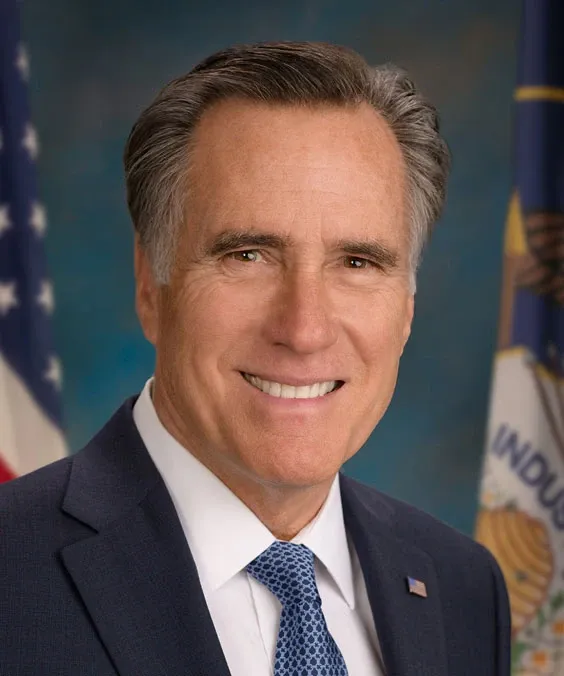
Mike Shumway Lee is an American attorney and politician currently serving as the junior United States senator from Utah, a position he has held since January 3, 2011. A member of the Republican Party, Lee has focused on issues such as limited government, individual liberties, and constitutional rights throughout his tenure. He has been an advocate for fiscal responsibility and has often emphasized the importance of adhering to the Constitution in legislative matters.
Jan 20, 2016
Everything we have done is to improve the combat mission of the U.S. military.
Jan 20, 2016
Mr. Fanning, we have seen that Active Protection Systems (APS) for military forces have been deployed by Russia and Israel.
Jan 20, 2016
Mr. Fanning, do you commit, if confirmed, to work closely with this Committee and other Members of Congress on this issue, which we view as matter of great importance?
Jan 20, 2016
It is also a concern for those of us who view the purpose and structure of the military through the lens of our Nation's founders, who put a large emphasis on the idea of a 'citizen-soldier'.
Jan 20, 2016
If confirmed, I will work closely and transparently with this Committee and the Congress on the recommendations and implementation of future structure plans.
Dec 1, 2015
There are a lot of benefits to our country that come from having an All-Volunteer Force.
Dec 1, 2015
Some have argued that the All-Volunteer Force creates a circumstance in which the burdens--the risks and the real-world consequences of war disproportionately affect members of the military and their families.
Nov 16, 2015
I think we have assumed a disproportionate responsibility for global security in the United States.
Nov 3, 2015
I think it is important to talk about other reforms to SSDI, but I do want to highlight the fact that the private group long-term disability insurance, according to one study, already saves federal programs $2 billion a year.
Oct 26, 2015
None of the participating states feel the same way, and none of the participating states share the Office of Surface Mining's assessment of its own actions.
Oct 26, 2015
Many of my colleagues have already talked about, in great detail, the potentially disastrous effect of the new Stream Protection Rule.
Oct 5, 2015
Thank you, Mr. Secretary, for being here today and for your service for our country.
Sep 29, 2015
I appreciate what he is doing there and the insight that you have given us today.
Sep 29, 2015
I happen to believe we have got the best higher education system in the world here in the United States.
Sep 28, 2015
But, why would we want to give Iran the ability to defend against cyberweapons that we, or perhaps some of our allies, might one day want to use against Iran?
Sep 28, 2015
Annex 3 of the recently signed Iran Nuclear Agreement calls for the participating countries to work with Iran to, quote, strengthen Iran's ability to protect against and respond to nuclear security threats, including sabotage, as well as…
Sep 28, 2015
They need to deliver on that promise of care, and we think that's something that all exchanges should be looking at.
Politicians like Mike Lee