Apr 8, 2013
In my view, whenever Congress acts in the area of political speech, the touchstone for everything we do should be the First Amendment to the Constitution.
The Public Record
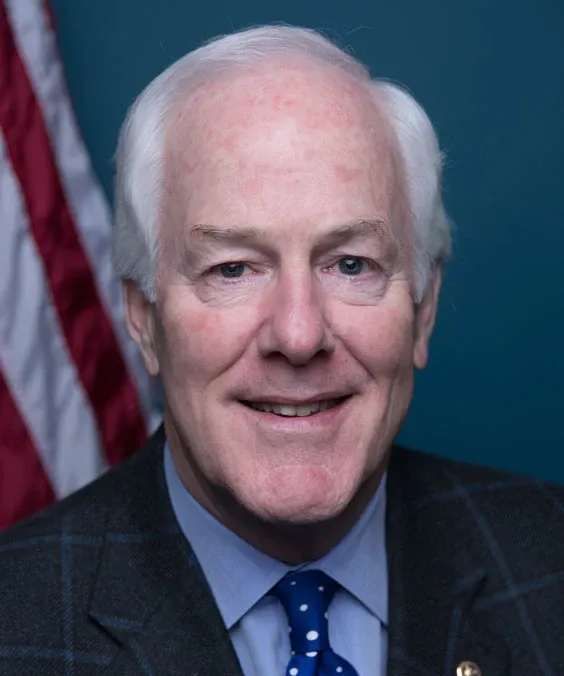
Ted Cruz is a United States Senator from Texas, serving since January 3, 2013. A member of the Republican Party, Cruz gained national prominence during his 2016 campaign for the Republican presidential nomination. He is known for his conservative positions on issues such as healthcare, immigration, and tax reform. Cruz has been a vocal advocate for limited government and has often positioned himself as a defender of constitutional rights.
In my view, whenever Congress acts in the area of political speech, the touchstone for everything we do should be the First Amendment to the Constitution.
Does the Department believe the First Amendment protects a right to anonymous speech?
I think every one of them has a constitutional right to speak out in a democracy.
And that standard should obviously apply across the board, regardless of the partisan affiliation of the speaker or the person being praised or criticized.
But I am here to tell you that our primary purpose is to ensure that our campaign contribution limits are robustly enforced.
I think there is none more central to the core purposes of the First Amendment than political speech, than the ability of every American to speak up and express his or her views on the direction of this country.
I think there are few areas that are more dangerous to have the government engaged in prior restraint or punishment after the fact for private citizens who would choose to speak out on politics.
preventing corruption and preventing bribery is an important governmental interest and deserves serious focus.
Now, you would certainly agree that there are limits--and I would think significant limits--to the theory that additional government information would be helpful for discovering crime, that that is a theory that has the potential to…
Citizens United, the Supreme Court upheld a disclosure regime and found it fully consistent with the First Amendment.
I think that the public should be particularly skeptical when you have elected politicians of either party enacting rules limiting the ability of public citizens to criticize the behavior of their elected officials.
Politicians like Ted Cruz