Jun 16, 2010
The United States is better off with this treaty than without it, and I'm confident that it is the right agreement for today and for the future.
The Public Record
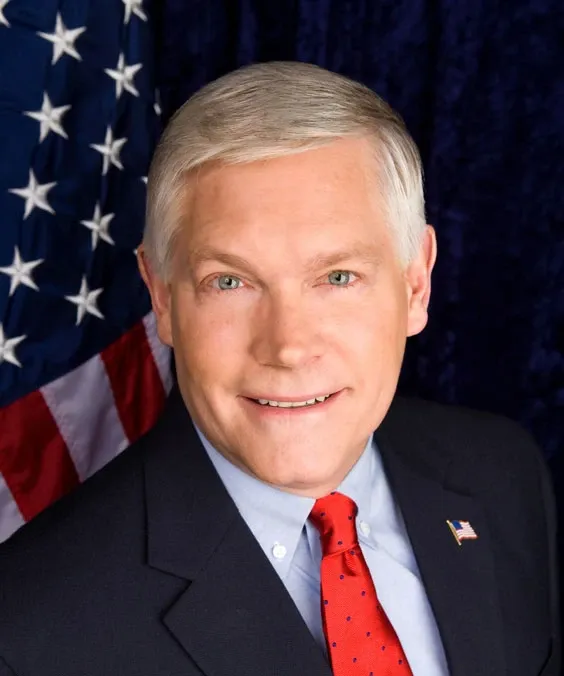
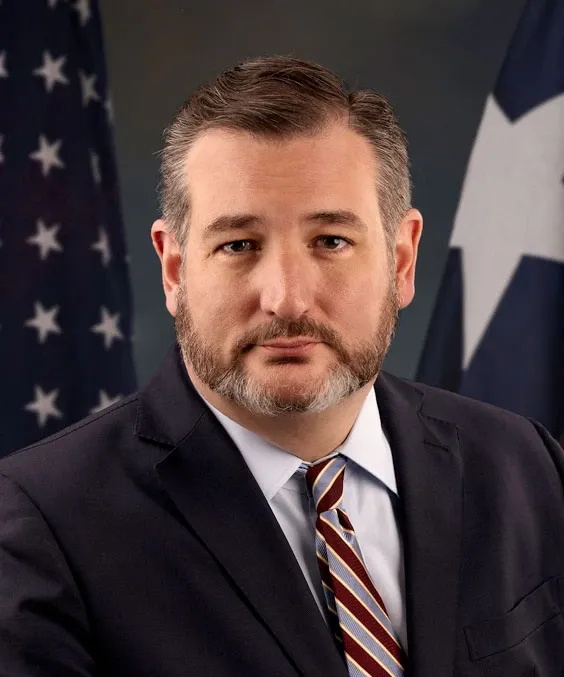
Robert Gates is a prominent Republican figure from Texas, known for his extensive career in public service and academia. He served as the 22nd United States Secretary of Defense from 2006 to 2011 under both President George W. Bush and President Barack Obama. Gates played a crucial role in shaping U.S. military policy during the Iraq War and the early years of the Afghanistan War, advocating for a focus on counterinsurgency operations and the need for military reform. He has also held positions as the president of Texas A&M University and as the director of the Central Intelligence Agency (CIA). Gates is recognized for his pragmatic approach to defense and national security issues, often emphasizing the importance of bipartisan cooperation in governance. In recent public statements, he has expressed concerns about the use of continuing resolutions in government budgeting, highlighting the need for more stable fiscal policies.
The United States is better off with this treaty than without it, and I'm confident that it is the right agreement for today and for the future.
If the supplemental is not enacted by the July 4th congressional recess, we will have to begin planning to curtail defense operations.
We are working to ensure that the Leahy law is being implemented in both places.
the election trajectory in Iraq is basically going pretty much as had been predicted.
I think that he is embracing his responsibility for this conflict in his country.
the violence that we have seen has really been al-Qaeda in Iraq violence aimed at promoting or provoking sectarian conflict.
I strongly urge Congress to complete its work on the request as quickly as possible.
I believe deeply that it helped avoid miscalculations and misunderstandings.
There is no doubt that these wars have cost the United States, the American taxpayers a lot of money.
We are spending less on defense than during any other war time in our history.
I look forward to working with members of Congress to devise a cost sharing arrangement that is both fair and reasonable.
I am a strong proponent of contacts with the Chinese military for that kind of a dialogue.
Under the last administration, as well as under this one, it has been U.S. policy not to build a missile defense that would render useless Russia's nuclear capabilities.
The fact that we are a nation at war calls for sustaining the current military force structure.
the fact that we are a nation at war . . . calls for sustaining the current military force structure
I am confident that the New START treaty will in no way compromise America's nuclear deterrent.
Under the last administration, as well as under this one, it has been the United States policy not to build a missile defense that would render useless Russia's nuclear capabilities.
We will lead the way in reducing our arsenal, but we must always hedge against the dangerous and unpredictable world.
there is absolutely no way we can maintain a credible deterrent and reduce the number of weapons in our stockpile without either resorting to testing our stockpile or pursuing a modernization program.
at a certain point, it will become impossible to keep extending the life of our arsenal, especially in light of our testing moratorium.
The key question then and in the decades since has always been the same: Is the United States better off with an agreement or without it?
Politicians like Robert Gates