Mar 30, 2011
There is absolutely no reason why our agents, no matter who they are, where they are at, should not be properly equipped and properly protected.
The Public Record
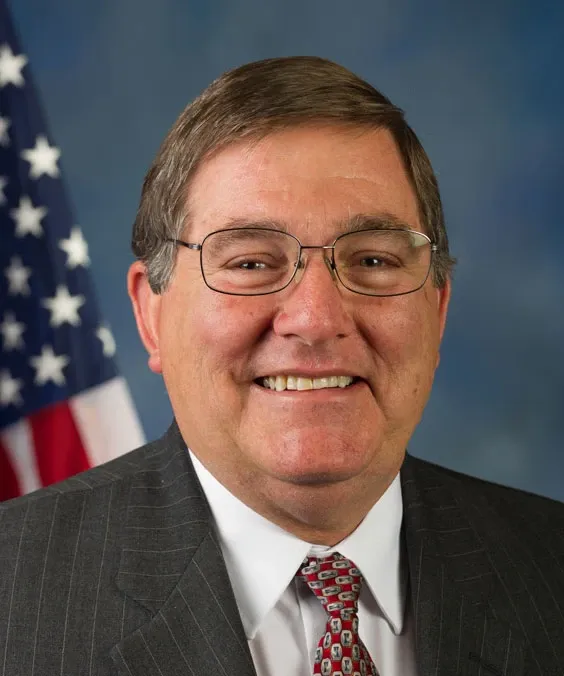
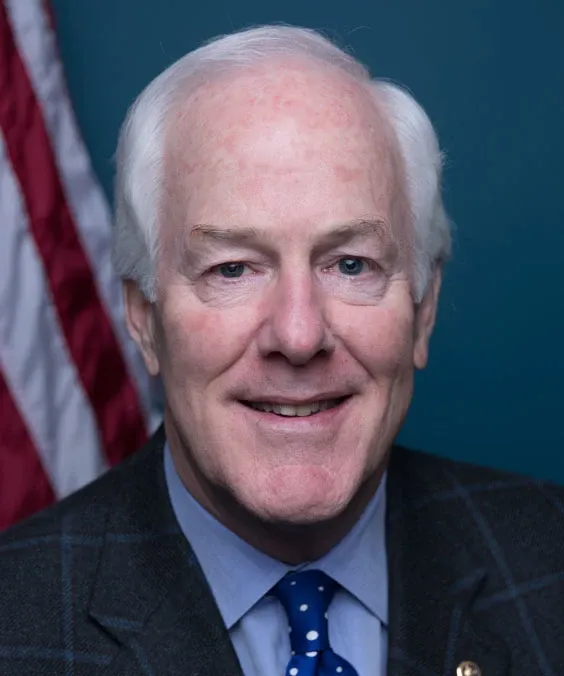
Michael Thomas McCaul is an American politician serving as the U.S. Representative for Texas's 10th congressional district since 2005. A member of the Republican Party, he has been active in various legislative efforts, particularly focusing on national security and foreign policy. McCaul has played a significant role in discussions surrounding U.S. relations with countries like Ukraine and Russia, often emphasizing the importance of NATO and the need for a strong response to aggression.
There is absolutely no reason why our agents, no matter who they are, where they are at, should not be properly equipped and properly protected.
I believe we need all the tools in the toolbox, and designating them as foreign terrorist organizations would give us that.
I think the State Department--and we have had briefings on this, but I think we need greater clarification as to how they can defend themselves down there.
I said, 'I am going to make that statement and tell them that a constituent from my 10th Congressional district made that recommendation and I agree.'
If we have a 2,000-mile border with them every day there is about $1 billion of trade between the United States and Mexico.
I think one of the things that we should be looking at is how can we help Mexico with areas like microlending, and jobs creation?
I think our country has something to offer in that respect, whether it be our intelligence or our special operations forces, if we could get around the politics.
I think the situation has become so dire down there and such a crisis that it is my sincere hope the politics will change on this.
The narcoterrorism in Mexico is extremely sophisticated, well thought out, strategically planned.
Our focus needs to change. The profile that we give nationally to this issue needs to change.
I don't think we are doing enough to control the flow of weapons into Mexico.
That is less than we are currently spending in Afghanistan on any given week, and yet I think the stakes in Mexico and the relationship in Mexico and the United States are enormous and certainly of National security implications.
But we don't seem to have a plan or a strategy for Mexico and I think that is the thrust of this hearing is: What should that plan be?
Cooperation with the Mexican government is in the interest of both countries, as is an integrated law enforcement approach to effectively target and defeat the cartels.
If we send an unarmed agent to Mexico without full diplomatic status, and they are murdered like Jaime Zapata, how does our country demand extradition if the killers are caught?
I will say this: While the FBI stats may show that the overall statistics on violent crime may have gone down, violent crime committed against us, law enforcement officers, increased over 41 percent last year and is increasing beyond that…
You know, Chairman, I applaud you for characterizing these organizations as they should be: Narcoterrorists.
I want to be absolutely sure that if my members endure and embrace the risks to go over to Mexico and fight this war that they will have full diplomatic coverage and the peace of mind knowing that God forbid they make the ultimate…
What are you doing by way of negotiation to exert this country's considerable leverage to ensure that our agents assigned there have the means to protect and defend themselves?
To call them advisory--gentlemen, they were targeted and attacked for who they are--not for what they do, but for who they are as U.S. law enforcement officials.
However, he went on to say that we don't perform law enforcement activities there and seemingly minimized the risk we face by describing their role--or our role--there as advisory.
Politicians like Mike McCaul