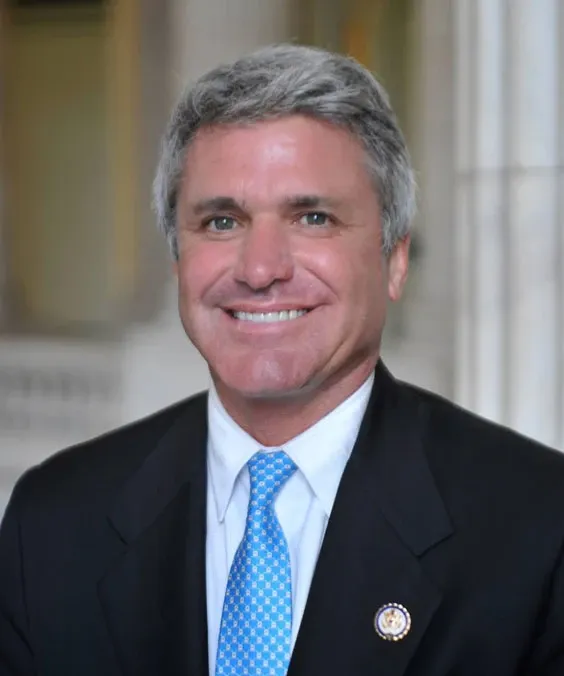
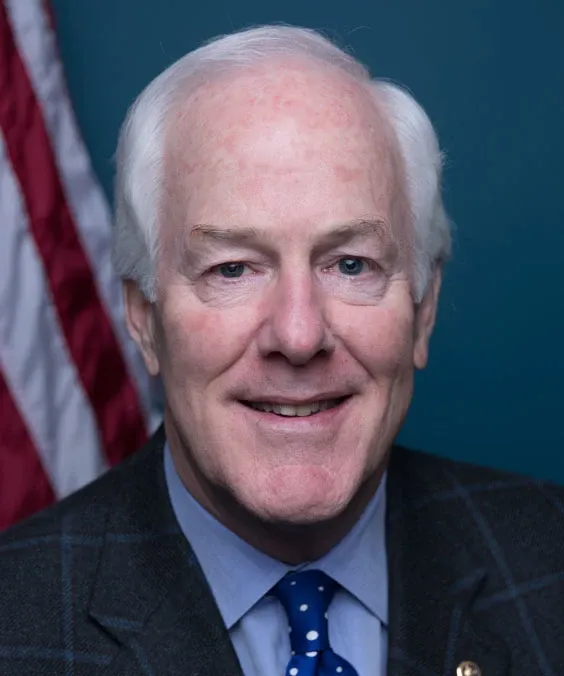
Michael Burgess
The Public Record
Michael Clifton Burgess is an American politician and physician who has served as the U.S. Representative for Texas's 26th congressional district since 2003. A member of the Republican Party, Burgess has focused on healthcare policy, leveraging his medical background to inform his legislative work. He has been involved in various committees and has advocated for issues such as medical research and veterans' healthcare. Burgess has also been a vocal supporter of conservative fiscal policies and has participated in discussions surrounding healthcare reform.
Sep 21, 2011
It seems that if the White House is serious about regulatory reform, this is something where all parties should be anxious to work together.
Sep 21, 2011
You may be familiar that members of the Texas delegation on a bipartisan basis on this committee met with Mr. Sunstein of Office of Management and Budget right before the August recess concerning the Cross-State Air Pollution Rule and the…
Sep 21, 2011
Putting an industry with a critical infrastructure in the position of choosing which agency's rules to violate is bad public policy.
Sep 21, 2011
Did we just ignore FERC's recommendations? Because they don't seem to be completely coincident with the decisions that you made.
Sep 21, 2011
I would argue that that is going to have a significant impact on public health.
Sep 21, 2011
Chairman Waxman--ranking member--said that we don't believe in the science. Well, yes, that is right.
Sep 21, 2011
I would further ask the question, I am sure you made the President aware of this, does the President not care about the health of Americans by delaying the Ozone Rule?
Sep 21, 2011
So much has been said on the other side that I need to refute and yet there are some things that I need to get out here.
Sep 21, 2011
Although you work for the Executive Branch, Congress is a coequal branch of government.
Sep 14, 2011
I think no one now believes those figures that were originally delivered to us by the CBO and even the Chief Actuary for CMS has said the cost is going to be some $450 billion over 10 years higher than what was advertised in March of 2010.
Sep 14, 2011
But by regulation, working the MLR regulation at HHS, they decided to sort of pick and choose which taxes are exempt from the calculation.
Sep 14, 2011
The phrase I have heard associated with that is something magic happens when people spend their own money for health care, even if it wasn't their own money in the first place.
Sep 14, 2011
It troubles me that it occurred the way it did. It was seemingly something that was under the radar screen.
Sep 14, 2011
If people like what they have, they may not able to keep it. I think that is a fair statement.
Sep 14, 2011
Remember, the big selling point on the Affordable Care Act was, if you like what you have, you can keep it.
Sep 14, 2011
I suspect there will be some new questions that come up as a result of our interaction today.
Sep 14, 2011
Today we are going to look at two of these requirements in some depth but honestly, the list is much, much longer, and we are going to hear from some of those folks who are on the ground dealing with this, but I am afraid we may be too…
Sep 13, 2011
I think it is very important that we have the Secretary of Energy and the chairman.
Sep 13, 2011
Sir, we subpoenaed the documents in July. You can't characterize that as cooperation.
Sep 13, 2011
This is a different universe and your response as a venture capitalist is likely not consistent with being a good steward of the taxpayers' money.
Sep 13, 2011
We are a coequal branch of government. We have a responsibility to protect the people's money as well.
Politicians like Michael Burgess