Mar 20, 2013
I think that is one of the reasons these committee hearings have been so important.
The Public Record
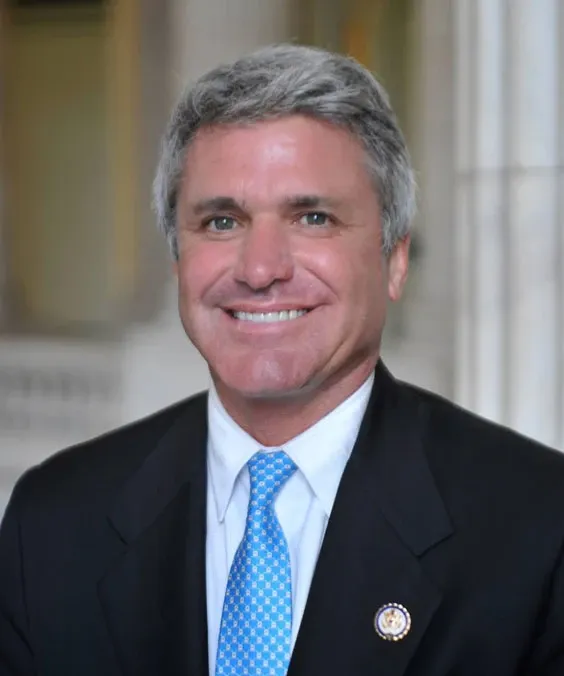
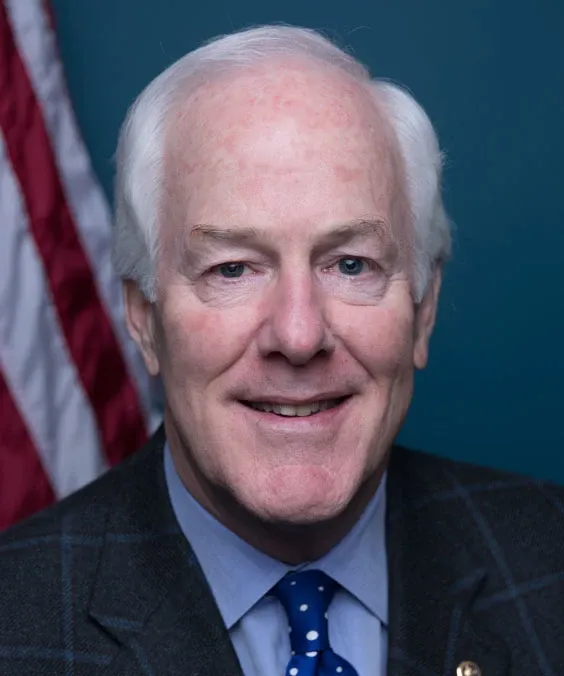
Michael Clifton Burgess is an American politician and physician who has served as the U.S. Representative for Texas's 26th congressional district since 2003. A member of the Republican Party, Burgess has focused on healthcare policy, leveraging his medical background to inform his legislative work. He has been involved in various committees and has advocated for issues such as medical research and veterans' healthcare. Burgess has also been a vocal supporter of conservative fiscal policies and has participated in discussions surrounding healthcare reform.
I think that is one of the reasons these committee hearings have been so important.
I do think that ONC has a unique perspective on these HIT issues, and along with input from the FDA and from stakeholders that Congress can find a path forward on what a framework would look like.
Inaction is not an option on this issue. However, we must do so in a way that encourages the development of innovative technologies.
The emergence of mobile medical technology does hold great promise not only for lowering the care cost, but most importantly, for improving health outcomes.
I am grateful to the chairman for holding this hearing, grateful to our panel for presenting to us today.
From the newest means to detect and diagnose conditions, to the cures and diseases that once were thought untreatable, innovation has led the way to bettering the lives of patients.
The amount of oil and gas that we produce and our safety record and our environment stewardship is a real testimony to the fact that we are proud of what we do.
America is on the cusp of having energy security, and with that, great paying jobs and revenue streams.
I think you are going to have a lot of people who go to sign up on their 21 page application on October 2nd or 3rd and find that the system is not ready for them.
I don't have the same confidence that the President has that he can continue to run trillion dollar deficits every year for another 4 years and there is no effect on the larger economy.
So when he gives a figure of tens of millions of people who are unable to get insurance for a preexisting condition, that number is probably a little bit overstated; is it not?
Let us set aside for a moment the question of whether it makes sense to borrow $2 trillion from foreign nations to pay for a new entitlement when current Medicare and Medicaid programs are in trouble.
I am going to tell you, in health care you don't get something for nothing. There is always a cost, and someone always pays it.
But isn't it interesting as we sit here this morning on the eve of the third year of the signing of this bill into law that the greatest obstacle to its implementation is actually the administration itself?
I hope this committee continues its due diligence to, not just to expose these problems, but we need to work on solutions.
Can you imagine if a Republican president pushed through a law that kicked 500,000 children off their health insurance?
Right now, we have real difficulty in the State of Texas because a lot of providers are not opening their doors to Medicare or Medicaid patients.
Instead of encouraging growth, this tax creates a disincentive for employers to grow their workforce.
Individuals who will not only be affected directly by new taxes, but also indirectly as employers are forced to lower wages.
We need to know who at Department of Energy was held accountable. Who lost their job?
How is putting more money into a structurally deficient system, how is it going to make it better?
It begs the question, it is almost every problem that was identified 10 years ago, you encountered on your task force 10 years later.
Politicians like Michael Burgess