Jan 8, 2015
The pipeline, in fact, exists between Cushing, Oklahoma, and Houston, Texas, this very day.
The Public Record
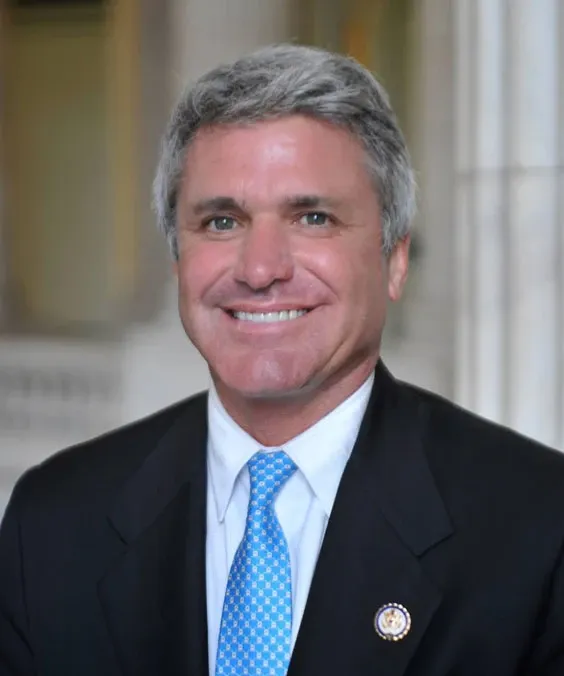
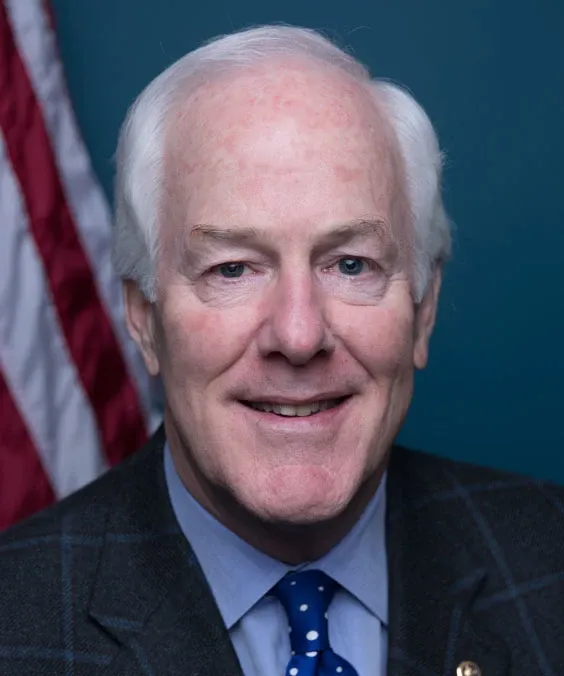
Michael Clifton Burgess is an American politician and physician who has served as the U.S. Representative for Texas's 26th congressional district since 2003. A member of the Republican Party, Burgess has focused on healthcare policy, leveraging his medical background to inform his legislative work. He has been involved in various committees and has advocated for issues such as medical research and veterans' healthcare. Burgess has also been a vocal supporter of conservative fiscal policies and has participated in discussions surrounding healthcare reform.
The pipeline, in fact, exists between Cushing, Oklahoma, and Houston, Texas, this very day.
Well, thank you, chairman, and thank you for calling this hour together. Of course, the ranks of those who are able to capably deliver a narrative in this House suddenly have gotten a little thinner, but I did have the opportunity to sit…
If we don't start making difficult decisions now, our children, their children will inherit a burden unlike any generation previously has ever seen.
With our national debt reaching $18 trillion last month, we face the gravest financial situation in our history, and we must get serious about bringing that number down.
Fiscal year 2014, the Government collected over $3 trillion in taxes for the first time, thanks to the generosity of the American taxpayer, and yet, we still had a deficit of almost .5 trillion.
We kind of heard during this subcommittee, during the passage of the Affordable Care Act, that once we were able to be in the elision fields of the ACA, programs like SCHIP wouldn't be necessary any longer.
I practiced for a number of years in north Texas and my own experience was that it was hard to find specialty physicians.
I will see this patient because I like you and you are a friend. I am not going to submit anything for payment because it is just not worth my--I will pay more in having my office submit this for payment than I would ever be reimbursed.
By funding the program through 2019, we would provide states with more time to plan for the future.
CHIP was created, it is true, in a Republican-controlled Congress in 1997 as a joint federal-state undertaking.
I don't think any would argue that CHIP should not be extended, so let's just get it done.
I would urge my colleagues to consider an extension during the lame duck to ensure predictability to the many states that have come to rely and appreciate the CHIP program.
It is probably one of the most important that we will take up over the next year.
I want to say this may be my last time to serve as your vice chair of the subcommittee.
At this time I reserve the balance of my time. Mr. McGOVERN. Mr. Speaker, may I inquire from the gentleman if he has additional speakers besides himself?
I so appreciate the fact that there is a vaccine that was on a clinical trial.
One of the things that I think has become abundantly clear in dealing with this crisis is that all of us ought to bear a lot of humility because this virus is different from things we have seen in the past and doesn't always behave the way…
Congress did the right thing by making those investments. They saved lives, they enhanced our preparedness, and the Congress should do the right thing now.
I could not--and still do not--understand why health workers on the front lines of the epidemic in Africa were so much better protected than the nurses and doctors who treated Ebola patients in the United States.
This summer's emergency only emphasized that we must have humility when discussing Ebola.
Overall, we failed in our response to the Ebola crisis. Communication was lacking, systems of protocol broke down.
Politicians like Michael Burgess